On September 16, 1928, Ralph Mooney was born in Duncan, Oklahoma. Mooney followed the path of countless Okies before him and moved to California to live with his older sister and brother-in-law. The latter relationship would prove to be one of his most fundamental, professionally speaking, as Mooney learned guitar, fiddle, and mandolin from his sister’s husband. Mooney’s brother-in-law planted the seed, and Leon McAuliffe’s “Steel Guitar Rag” made it bloom.
Upon hearing McAuliffe’s recording, Mooney used a flat-top six-string and a butter knife to replicate the sound of McAuliffe’s steel guitar. Eventually, he crafted a homemade pedal steel by using a non-pedal steel eight-string guitar and chicken wire. While this struck doubt in some of the performers whose records he played on, it fascinated guitar pioneer Leo Fender, who took Mooney’s instrument to study it and lent Mooney a Fender model in the meantime.
Videos by American Songwriter
From there, Mooney’s technique—and instruments—only improved. Using an actual steel guitar in later years, Mooney became a session musician for artists like Wanda Jackson and Glen Glenn. Mooney also dabbled in songwriting, penning “Crazy Arms”, which would become Ray Price’s first No. 1 country hit in 1956.
Ralph Mooney Helped Shape Two Country Icons’ Careers
In 1962, Ralph Mooney was playing in a club with Wynn Stewart and Roy Nichols. Merle Haggard was in the crowd, too. Nichols recognized Haggard and invited him to play a few songs while he took a bathroom break. Haggard obliged, and Mooney asked the up-and-coming singer-songwriter if he could sing. He could, so they went off into several country tunes, including an impressively high cover of Marty Robbins’ “Devil Woman”. The performance, buoyed by Mooney’s expert playing, helped Haggard land a spot in Stewart’s band. This would lead to Haggard’s first record deal with Capitol.
In the following decade, much of Mooney’s time was spent with Waylon Jennings, who was well into his outlaw country phase. Jennings was a big fan of Mooney’s, inviting him to be a permanent member of his backing band and his go-to steel player for all his records, including Lonesome On’ry And Mean.
Mooney’s career slowed in the late 1980s. By the early 2000s, Mooney’s appearances were almost exclusively at events and conferences related to the steel guitar. He died in early 2011 of complications from cancer. The country music legend was survived by his wife, Wanda, his daughter, Linda, and four grandchildren and three great-grandchildren.
Screenshot from Jessidaniel / YouTube
-
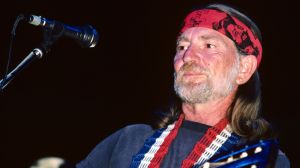
UNITED STATES – SEPTEMBER 10: BRENDAN BYRNE ARENA Photo of Willie NELSON, Willie Nelson performing on stage in East Rutherford (Photo by Ebet Roberts/Redferns) -
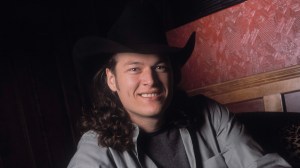
Blake Shelton, who was convinced to move to Nashville by Mae Boren Azton -
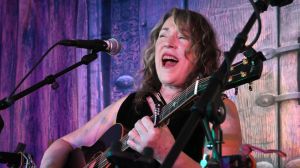
NEW ORLEANS, LOUISIANA – Beth Nielsen Chapman performs in Cantina Navarro at the 2026 Folk Alliance International in the Sheraton Hotel on January 24, 2026, in New Orleans, Louisiana. (Photo by R. Diamond/Getty Images) -
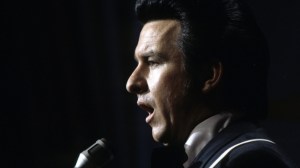
THE JOHNNY CASH SHOW – Airdate: March 24, 1971. (Photo by ABC Photo Archives/Disney General Entertainment Content via Getty Images)TOMMY CASH -
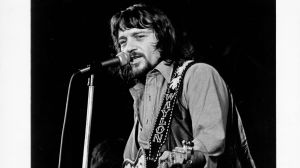
CIRCA 1975: Country musician Waylon Jennings performs onstage in circa 1975. (Photo by Michael Ochs Archives/Getty Images)