Your cart is currently empty!


How American Record Labels Screwed Up The Beatles’ Music Early On: “At First It Was Pretty Crummy”
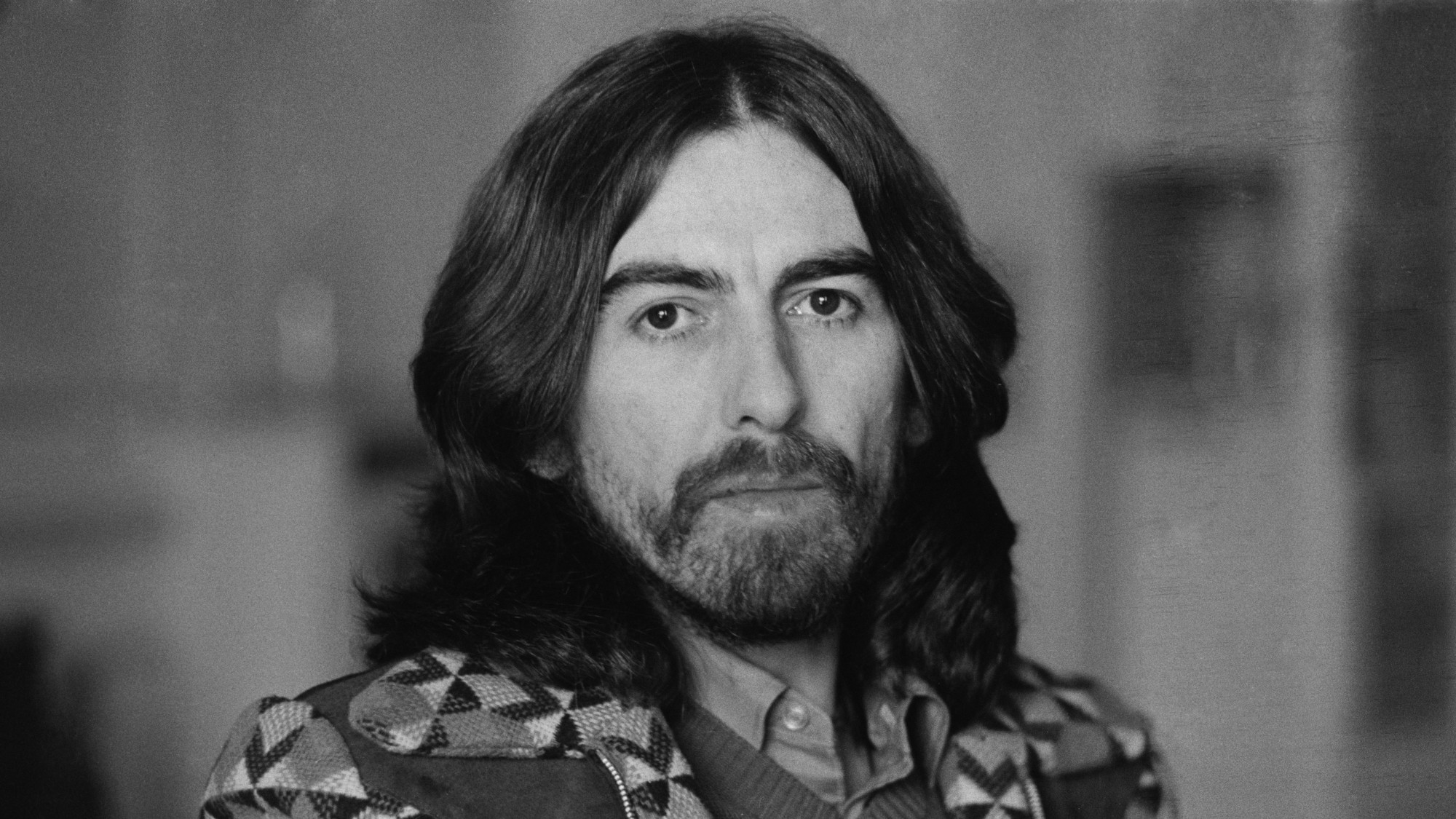
When The Beatles took off, every major record label wanted a piece of their success. Ultimately, The Beatles were with Parlophone Records(EMI) for their British Label and Capitol Records for their United States Label. This remained the case until The Beatles created Apple Records in 1968, which gave them more creative and financial control over their work. However, before that decision, The Beatles, particularly George Harrison, had an issue with American record labels.
Videos by American Songwriter
There have been a plethora of music industry stories about record labels screwing over their musicians. In this game, it is a tale as old as time. Though this story in particular doesn’t revolve around labels dishing out unfair contracts or keeping control over master recordings. Rather, Harrison was upset with American record labels, given that they were altering The Beatles’ work for the American market. Reportedly, they did so by adding fake stereo mixes, altering tracklists, and releasing albums that didn’t match the originals.
In addition to being signed to Capitol Records, the US extension of EMI, several other smaller labels were able to procure the rights to The Beatles’ early music. In his comments, Harrison didn’t mention one label in particular for committing the wrongdoing. Instead, he just mentioned American labels generally. Nevertheless, here is what George Harrison said on the matter.
How US Record Labels Subverted The Beatles’ Creative Autonomy
In an interview with Rolling Stone, Harrison said on the matter, “At first it was pretty crummy. We always had complete artistic control from the outset, and we took great care over running orders, having the right songs in the right places and good sleeves — it was all done with a bit of taste. But straightaway they started screwing that up in the States, holding back tracks from albums so that, for every two albums released in Britain, they could release three over there.”
“[S]till, everything we did continued to be in pretty good taste until the contract expired, and then they started shoving out all these repackages with crummy sleeves and everything,” Harrison added. “It doesn’t bother me as long as they keep paying the royalties.”
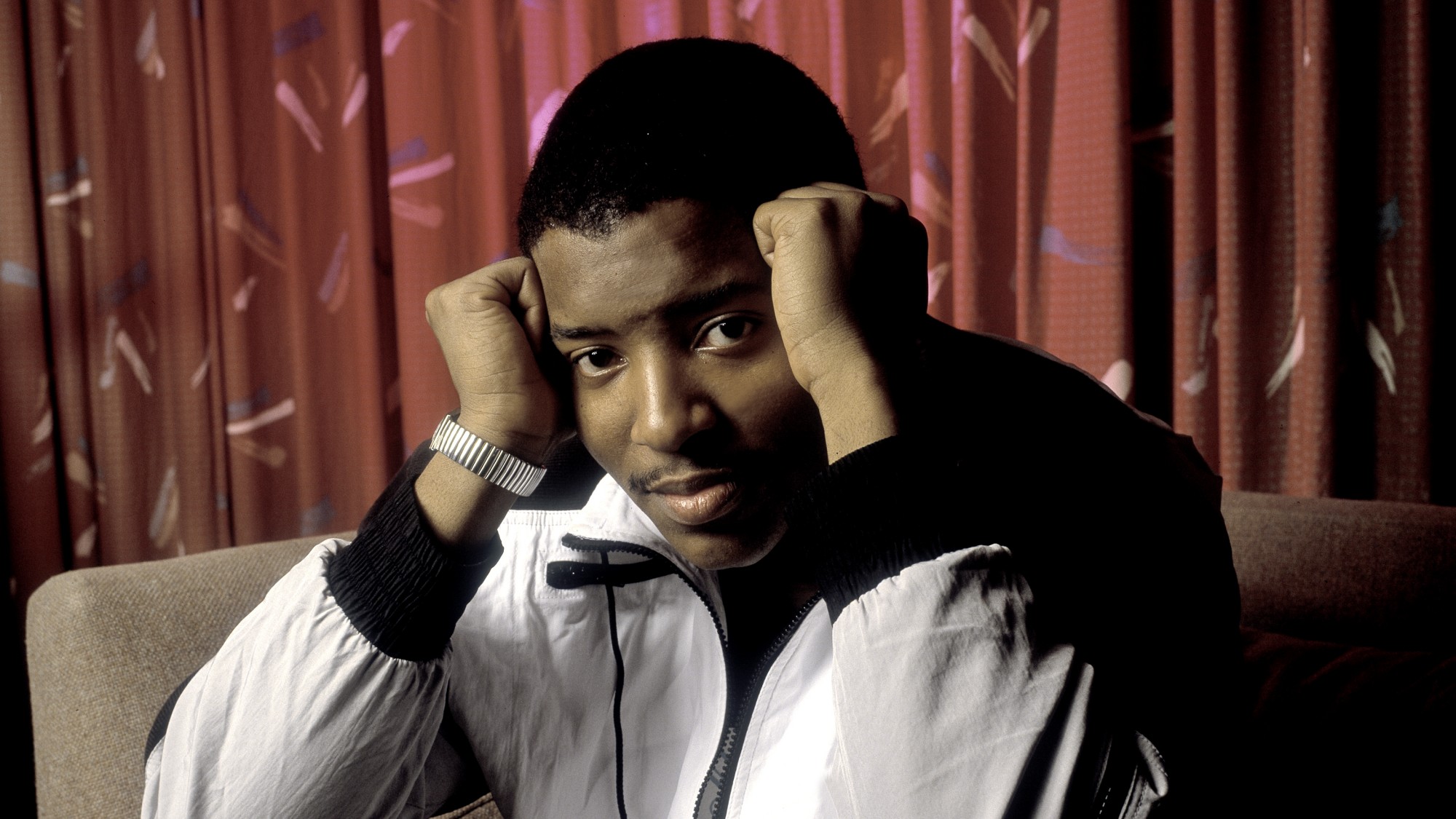
This and many other reasons are seemingly why The Beatles went on to start their own record label. Additionally, they wanted to be able to reinvest their earnings into finding and developing new talent, which they did, as they signed James Taylor, Billy Preston, and Badfinger with Harry Nilsson.
Photo by ITV/Shutterstock


Leave a Reply
Only members can comment. Become a member. Already a member? Log in.