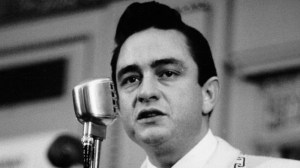
Decades of media conditioning and schoolyard slang would have us believe that someone named Albert Poindexter was a, shall we say, more-studious-than-social type of individual. But back in the 1930s and 40s, this particular Poindexter wasn’t grasping at the bottom rungs of the social ladder. He was sitting high on the top, thanks to his chart-topping hits and a successful side hustle as a bar owner.
This week in 1946, Poindexter, whose stage name was Al Dexter, was riding high at No. 1 on the Juke Box Folk charts with his track “Guitar Polka”. The track spent sixteen weeks at the top of the chart, spending 29 weeks on the chart in total. The success of “Guitar Polka” came on the heels of a larger commercial win from 1943, “Pistol Packin’ Mama”, which enjoyed pop crossover success after mainstream acts like Bing Crosby and The Andrews Sisters covered it.
Videos by American Songwriter
Even before “Pistol Packin’ Mama”, Dexter was making major waves in the country music community. In fact, historians trace the first use of the word “honky tonk” back to an Al Dexter track from 1936.
Al Dexter, Honky Tonk Owner, Helped Invent Honky Tonk Music
If Al Dexter was trying to follow the ‘write what you know’ songwriting adage, he was doing a tremendously good job in the late 1930s. Around that time, Dexter owned multiple bars in Texas, which he used to supplement his musical income. Naturally, Dexter’s music incorporated elements of this honky tonk lifestyle, most notably in the 1936 track, “Honky Tonk Blues”.
Although the term ‘honky tonk’ was established in North American English, it was still a largely non-musical term. Honky tonks were loud, often rowdy establishments that sold alcohol and hosted live music. The official etymological origin is uncertain, but the general consensus is that the term emerged in the mid-1800s and was almost onomatopoeic in its description of the sound these bars made.
Whether because of conservative, Prohibition-era values around drinking or the sheer fact that no one had thought to do it yet, Dexter’s “Honky Tonk Blues” appears to be the first instance of a country song including the term. “I never heard it before,” Dexter said, per Tony Russell’s Country Music Originals: The Legends And The Lost.
Ultimately, Dexter wasn’t able to keep up with the world’s transition into rock ‘n’ roll. By the 1950s, his professional career had slowed, and his musical confidence had dwindled. “I just can’t figure out where the beat goes,” he once said. Dexter transitioned into the real estate business in his later years, while still earning copyright money from his older work. And while rock ‘n’ roll might not have made sense to Dexter, it was his unique contributions to country music—and the rock music that eclipsed him—that helped shape honky tonk music into what we know it as today.
Photo by Michael Ochs Archives/Getty Images
-
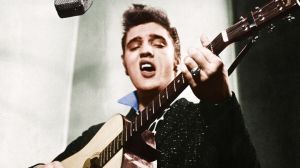
1/1956-Close up of Elvis Presley playing guitar. -
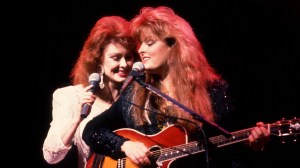
Naomi and Wynonna Judd during The Judds farewell tour. -
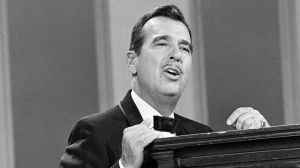
THE DEAN MARTIN SHOW — Episode 15 — Pictured: Tennessee Ernie Ford — (Photo By: NBC) via Getty Images) -
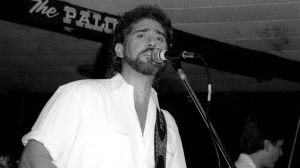
UNSPECIFIED – CIRCA 1970: Photo of Earl Thomas Conley Photo by Michael Ochs Archives/Getty Images -
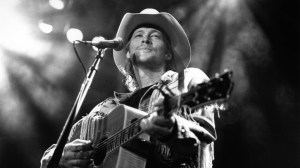
UNITED STATES – JANUARY 01: NASHVILLE Photo of Alan JACKSON, Alan Jackson performing on stage (Photo by Beth Gwinn/Redferns) -
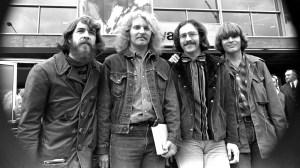
Creedence Clearwater Revival -
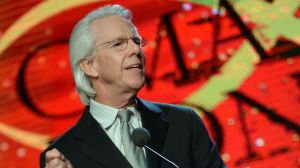
NASHVILLE, TN – Musician Jim Ed Norman speaks onstage during the GMA Honors Celebration and Hall of Fame Induction at the Allen Arena at Lipscomb University on April 29, 2014 in Nashville, Tennessee. (Photo by Rick Diamond/Getty Images for GMA)