Your cart is currently empty!



On This Day in 1952, Hank Thompson Released a Country Classic That Inspired a History-Making Song Six Months Later
In the early weeks of January 1952, Waco-born Hank Thompson released a country classic that remained at the top of the charts for three and a half months later that spring and summer. Thompson’s clear, direct delivery made the heartbreak in “The Wild Side of Life” all the more relatable, connecting listeners to the story of a woman who abandons her man for the “glamour of the gay night life” and “to the places where the wine and liquor flows.”
Videos by American Songwriter
But as a Tennessean on the brink of retirement would respond six months later, “from the start most every heart that’s ever broken was because there always was a man to blame.” Kitty Wells, an RCA Victor rejectee, thought she might put up her guitar for good. Before that happened, she met with Decca Records executive Paul Cohen. Cohen asked her if she would cut a record of “It Wasn’t God Who Made Honky Tonk Angels”, which was a direct response to Thompson’s song.
With Thompson’s track topping the charts, the idea of releasing a female response was a sensible, timely choice. Likely no one involved in Wells’ response, which came out in midsummer, fully appreciated the history they were about to make.
“The Wild Side of Life” Rebuttal Was Controversial, but the People Spoke Up
Country music, like much of the early 1950s, was male-centric. Women rarely held top positions in the charts. When they did, it was more likely to be because of a duet or a feature than as a solo artist. Kitty Wells changed that in the summer of 1952 with the release of her response to Hank Thompson’s “The Wild Side of Life”, “It Wasn’t God Who Made Honky Tonk Angels”. Following the same traditional melody as Thompson’s chart-topper, Wells rebukes the idea that women should get all the blame for failed relationships.
“It wasn’t God who made honky-tonk angels as you said in the words of your song / Too many times married men think they’re still single / That has caused many a good girl to go wrong,” Wells argues. The narrative pushback was certainly controversial in the patriarchal country music world. Long before Loretta Lynn was putting out songs like “The Pill”, Wells’ independent rebuttal challenged the common trope that women are to either be philanderers or dead, per the country music tradition. Consequently, radio programs in the U.S. and the U.K. banned the song.
The banishment didn’t seem to hurt the song’s success. Quite the opposite—Wells’ summer release was a smash. It topped the Billboard Hot Country Songs chart and achieved crossover success at No. 27 on the Hot 100. In addition to being the first time a solo female artist ever topped the country charts, “It Wasn’t God Who Made Honky Tonk Angels” significantly outperformed Thompson’s “The Wild Side of Life”, suggesting a woman’s perspective was long overdue.
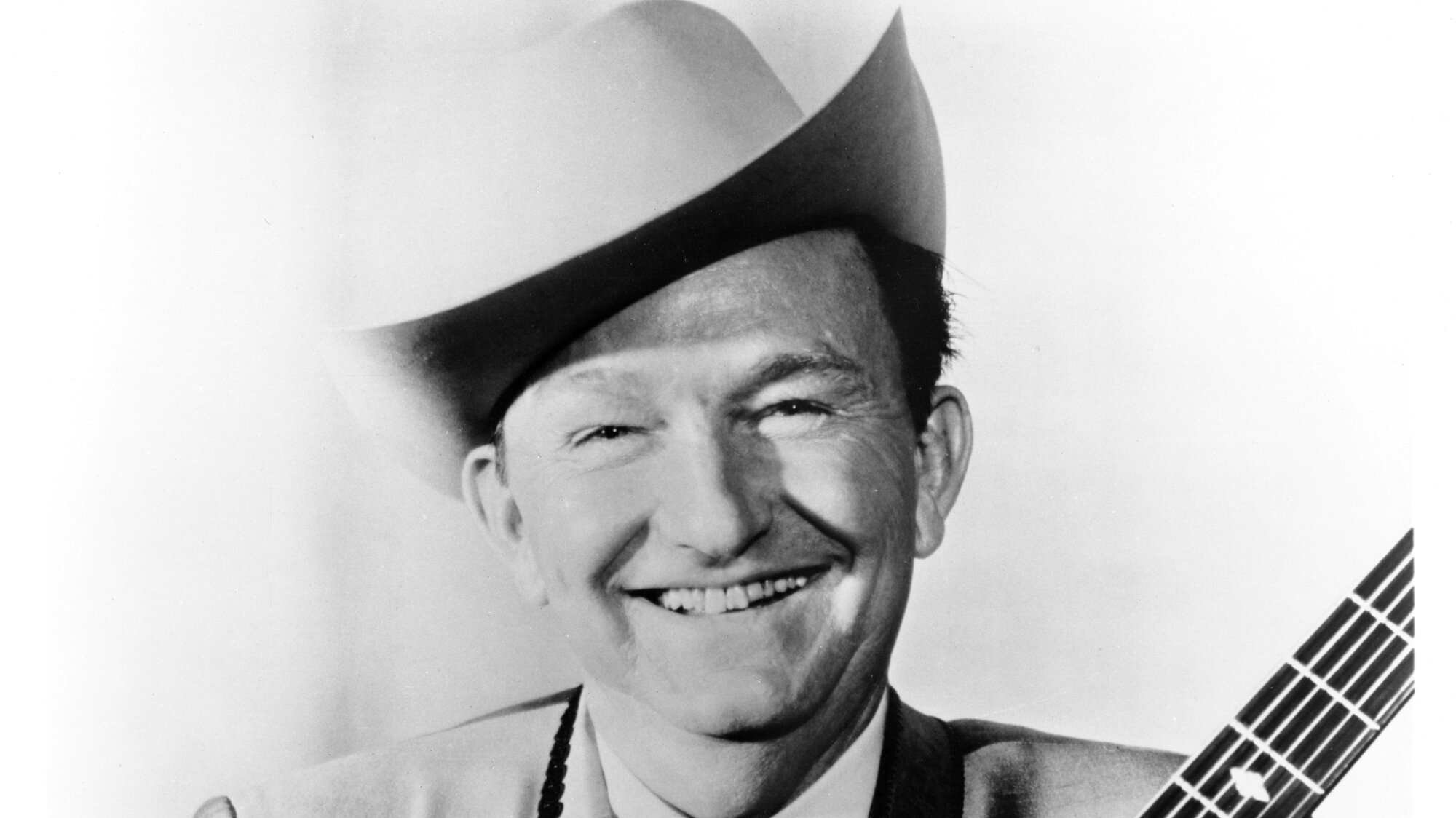
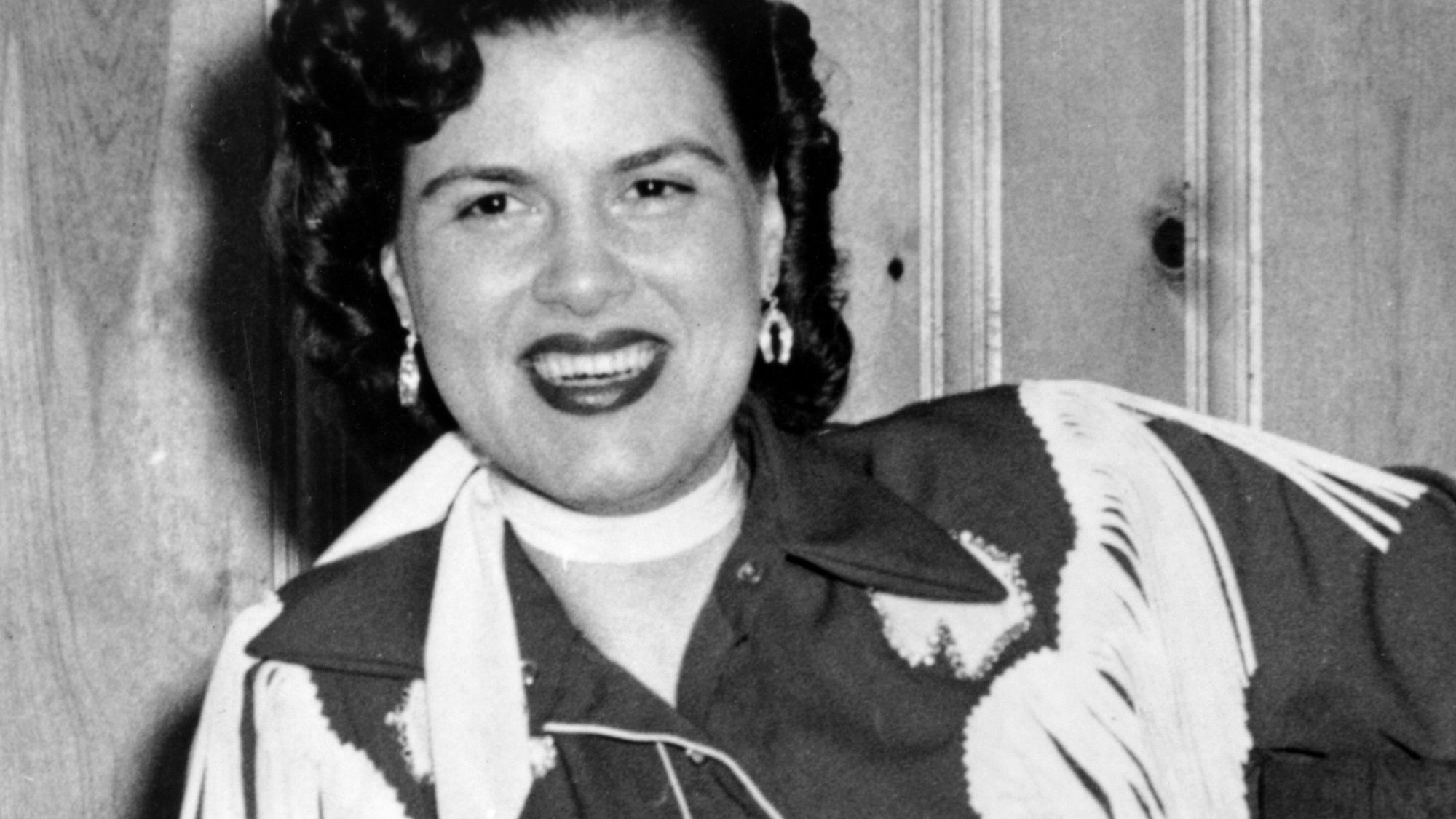
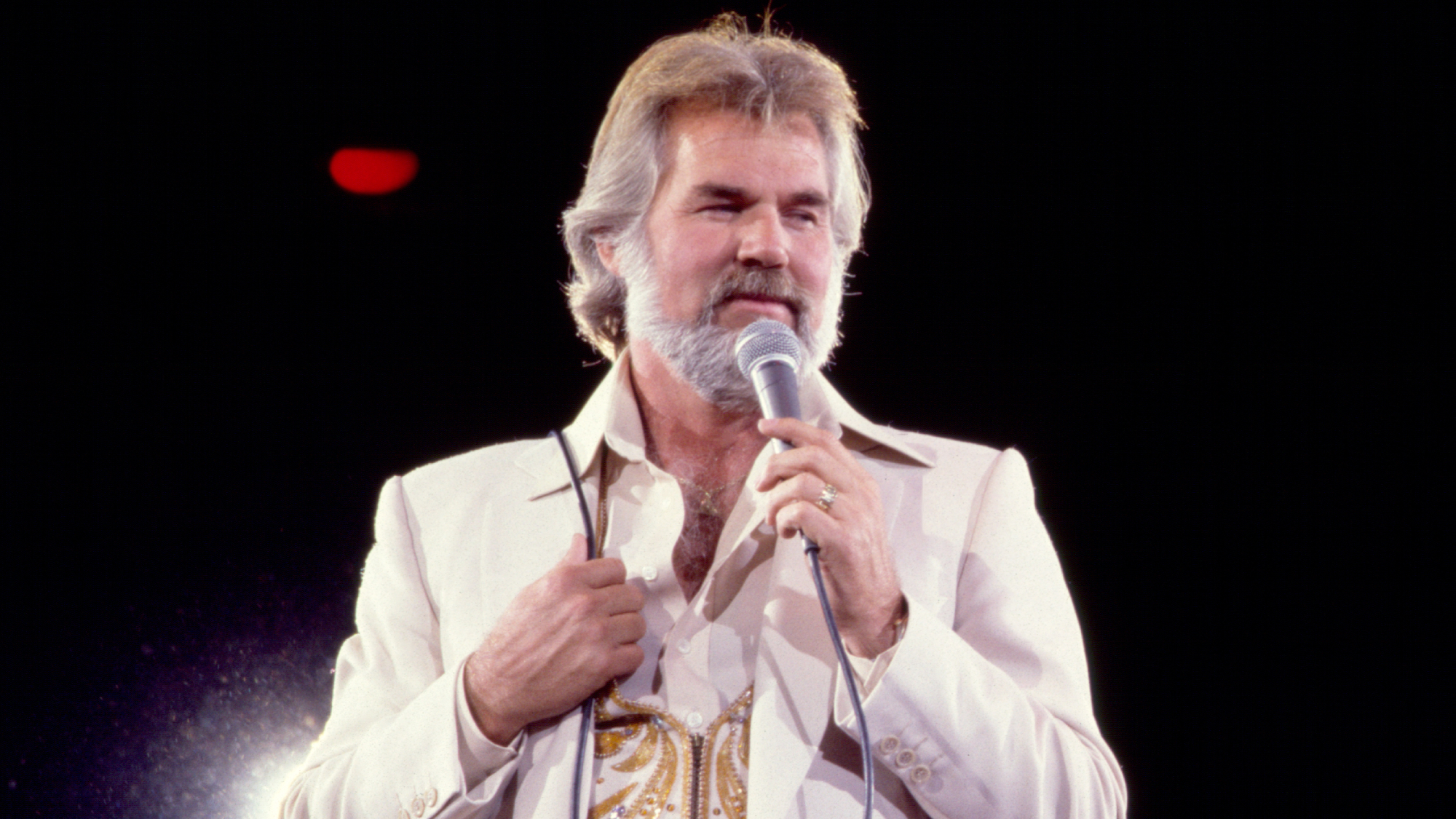
Photo by Michael Ochs Archives/Getty Images

Leave a Reply
Only members can comment. Become a member. Already a member? Log in.