One of the most important attributes a musician can have isn’t an impeccable sense of timing, beautiful voice, or virtuosic instrumental ability; it’s thick skin. And that’s precisely what Prince was building while he ran off stage crying after a disastrous opening set at the Los Angeles Memorial Coliseum on October 9, 1981. In theory, the performance should have been a massive stepping stone for Prince’s career. He was a relatively new artist opening for The Rolling Stones, a band which, in the early 1980s, was well into its tenure as rock ‘n’ roll royalty.
But as Prince came to learn the hard way, not everyone was ready for his androgynous, R&B and funk-flavored rock ‘n’ roll in 1981—especially not fans of The Rolling Stones or George Thoroughgood, the night’s other featured performer. (To put it in perspective, Prince wouldn’t land his first Hot 100 hit until the mid-80s.) Before Prince and his band realized what was going on, the attitude among the 94,000 concertgoers shifted. People started growing restless, then agitated, then downright volatile. Attendees began hurling insults at Prince, many of them racist or homophobic. Next, they started throwing food.
Videos by American Songwriter
“Next thing I noticed was food starting to fly through the air like a dark thundercloud,” Prince’s bassist, Brown Mark, recalled. “It was the craziest thing I had ever seen in my life. I got hit in the shoulder with a bag of fried chicken. Then, my guitar got knocked out of tune by a large grapefruit that hit the tuning keys.”
Even worse, the headlining band was anything but accommodating.
What Happened After Prince Ran off Stage Crying?
As the crowd at the Los Angeles Memorial Coliseum whipped itself into an increasingly intense frenzy, concert promoter Bill Graham took the stage to try to calm down the crowd. This didn’t help. Prince and his band tried to keep going and ignore the incessant jeers, slurs, and rogue chicken wings. This didn’t help, either. Finally, the crowd got what they wanted. They effectively bullied Prince and his band off-stage, and the frontman reportedly left the venue in tears. He and the rest of his crew flew back to his native Minnesota, saying they wouldn’t be back.
The Rolling Stones were anything but accommodating to Prince’s struggle. Years later, Mick Jagger would say, “God, I got thousands of bottles and cans thrown at me. Every kind of debris. I told him, if you get to be a really big headliner, you have to be prepared for people to throw bottles at you in the night.” Keith Richards was even less understanding.
In what can only be described as a display of Richards’ more curmudgeony behavior, he later accused Prince of donning a royal moniker before he earned the right to do so. He said Prince’s stage name and attitude were “insulting to our audience. He’s a prince who thinks he’s a king already.” Richards’ take might have had some legs to stand on, coming from a decades-long scene veteran, except for the fact that Prince was his actual name.
Prince performed one more show with The Rolling Stones before dropping off the tour. As history would show, he didn’t need that band (or their grapefruit-throwing fans) to become a rock icon in his own right, anyway.
Photo by Gary Gershoff/Getty Images
-
UNITED STATES – JANUARY 01: NASHVILLE Photo of Alan JACKSON, Alan Jackson performing on stage (Photo by Beth Gwinn/Redferns) -
Creedence Clearwater Revival -
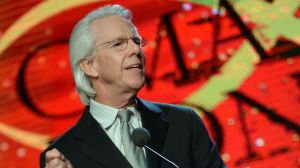
NASHVILLE, TN – Musician Jim Ed Norman speaks onstage during the GMA Honors Celebration and Hall of Fame Induction at the Allen Arena at Lipscomb University on April 29, 2014 in Nashville, Tennessee. (Photo by Rick Diamond/Getty Images for GMA) -
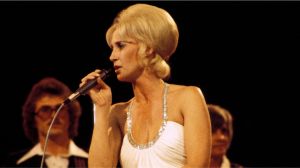
UNITED KINGDOM – WEMBLEY EMPIRE POOL Photo of Tammy WYNETTE, performing live onstage at the Country Music Festival (Photo by Andrew Putler/Redferns) -
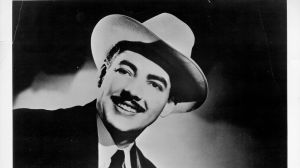
UNSPECIFIED – CIRCA 1970: Photo of Stoney Cooper Photo by Michael Ochs Archives/Getty Images -
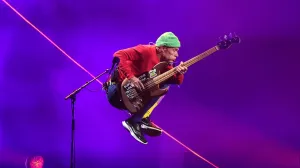
Flea performing with Red Hot Chili Peppers