
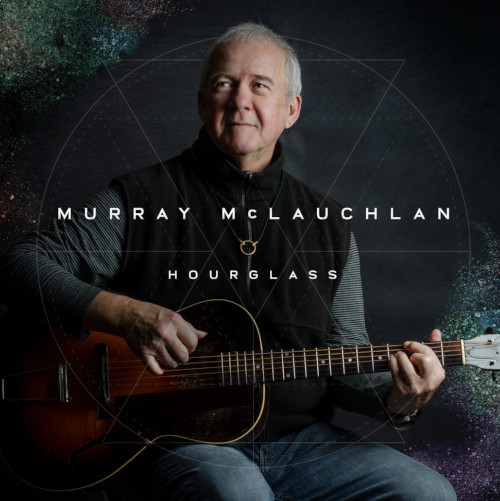
Murray McLauchlan/Hourglass/True North
Four out of Five Stars
With a career now in its sixth decade and any number of awards and honors that have marked it along the way, Murray McLauchlan has achieved the stature of a credible commentator and storyteller who shares his observations from a decidedly knowing point of view. Consequently, with the release of Hourglass, this storied Canadian singer and songwriter focuses his lens on his country’s southern neighbor and finds reason to comment on the despair and disparity that’s engulfed this nation over the last several years.
Videos by American Songwriter
Granted, the idea of an outsider taking aim at the internal malfeasance of a nearby neighbor may seem to some to be rather presumptuous, but to his credit McLauchlan’s commentary—one that explicitly touches on the combined plagues of privilege, racism and economic disparity—isn’t as heavy-handed as its intentions may imply. By and large, McLauchlan tackles its subject with a light-handed approach. With its soothing melodies, gently burnished arrangements and gentle, assured vocals, the messaging is conveyed with the reflective wisdom of a respected elder, one who emphasizes a certain strength rather than scolding its subjects into submission.
Nothing is impossible you used to say, if we stick together, McLauchlan suggests on the album opener “The One Percent,” setting a soothing tone that pervades the effort overall. Opting for counseling over cajoling, songs such as “Pandemic Blues,” “If You’re Out There Jesus” and “I Live on a White Cloud” (dedicated to George Floyd) are pervasive and passionate but far from anything one might consider as heavy-handed. The lessons linger and make an emphatic impression, but McLauchlan’s wistful reflection transforms harsh reality simple soliloquies and in the process, makes a stirring impression all the same. The latter song begs forgiveness for unintended ignorance, while “America” and “Shining City on a Hill” aim their appeal to those better angels that once commanded the nation’s conscience and helped it strive to do better.
I wish that love would win wherever hate is found, McLauchlan wistfully sings on the concluding track “Wishes,” summing up the sentiment while opting for optimism even despite the recent cascade of calamity. Granted, like many folksingers who desire hopeful happenstance, McLauchlan sometimes seems like a bit of a Pollyanna. Still, given the world’s recent pain, these soothing sounds allow hope for relief and respite.
More Reviews
-

Lower Town Arts and Music Festival, 2026 (Photo by Paducah Convention and Visitors Bureau) -

John Oates performs with The Good Road Band on March 15, 2026, at The Cabaret Theatre at Mohegan Sun in Uncasville, Connecticut (Photo by Khoi Ton/Courtesy of Mohegan Sun)