Your cart is currently empty!



The Pre-“Auld Lang Syne” New Year’s Eve Sing-Along Covered Centuries Later by Sinéad O-Connor, The Pogues, and More That Inspired a Bob Dylan Song
Nearly two centuries before Robert Burns introduced the world to “Auld Lang Syne,” in 1788, and his poem became the universal New Year’s Eve sing-along marking friendly revelry, closing chapters, and new beginnings, there was another song making its rounds around the close of the year. By the early 1600s, “The Parting Glass” was a popular song sung throughout Scotland and Ireland, initially as a farewell among friends.
Of all the money that e’er I had
I spent it in good company
And all the harm I’ve ever done
Alas, it was to none but me
And all I’ve done for want of wit
To memory now I can’t recall
So fill to me the parting glass
Good night and joy be to you all
Similar in sentiment to “Auld Lang Syne,” “The Parting Glass” was also a meditation on times long past and honoring old friends and memories while bringing in the new.
Videos by American Songwriter

So fill to me the parting glass
And drink a health whate’er befall,
And gently rise and softly call
Good night and joy be to you all
Of all the comrades that e’er I had
They’re sorry for my going away
And all the sweethearts that e’er I had
They’d wish me one more day to stay
But since it falls unto my lot
That I should rise and you should not
I gently rise and softly call
Good night and joy be to you all
Originally, “The Parting Glass” was attributed to Scottish poet Sir Alex Boswell, though a version of the song was documented earlier in the Skene Manuscript, a collection of 117 musical notations compiled by John Skene during the early 1600s.
Another version of “The Parting Glass” also appeared in the Scottish anthologist David Herd’s 1769 book Ancient and Modern Scottish Songs, Heroic Ballads, etc.
Though “The Parting Glass” is no longer the sing-along on New Year’s Eve, it has remained popular within Ireland. First popularized by the 20th century with a recording by Irish folk group The Clancy Brothers and Tommy Makem in 1959, dozens of artists have recorded the song since, including The Pogues, The Spinners, Sinéad O’Connor, The High Kings, The Dubliners, Hozier, and Ed Sheeran, among many others, with plenty of variations to the lyrics.
[RELATED: The Pogues Perform “The Parting Glass” During Shane MacGowan’s Funeral]
“Restless Farewell”
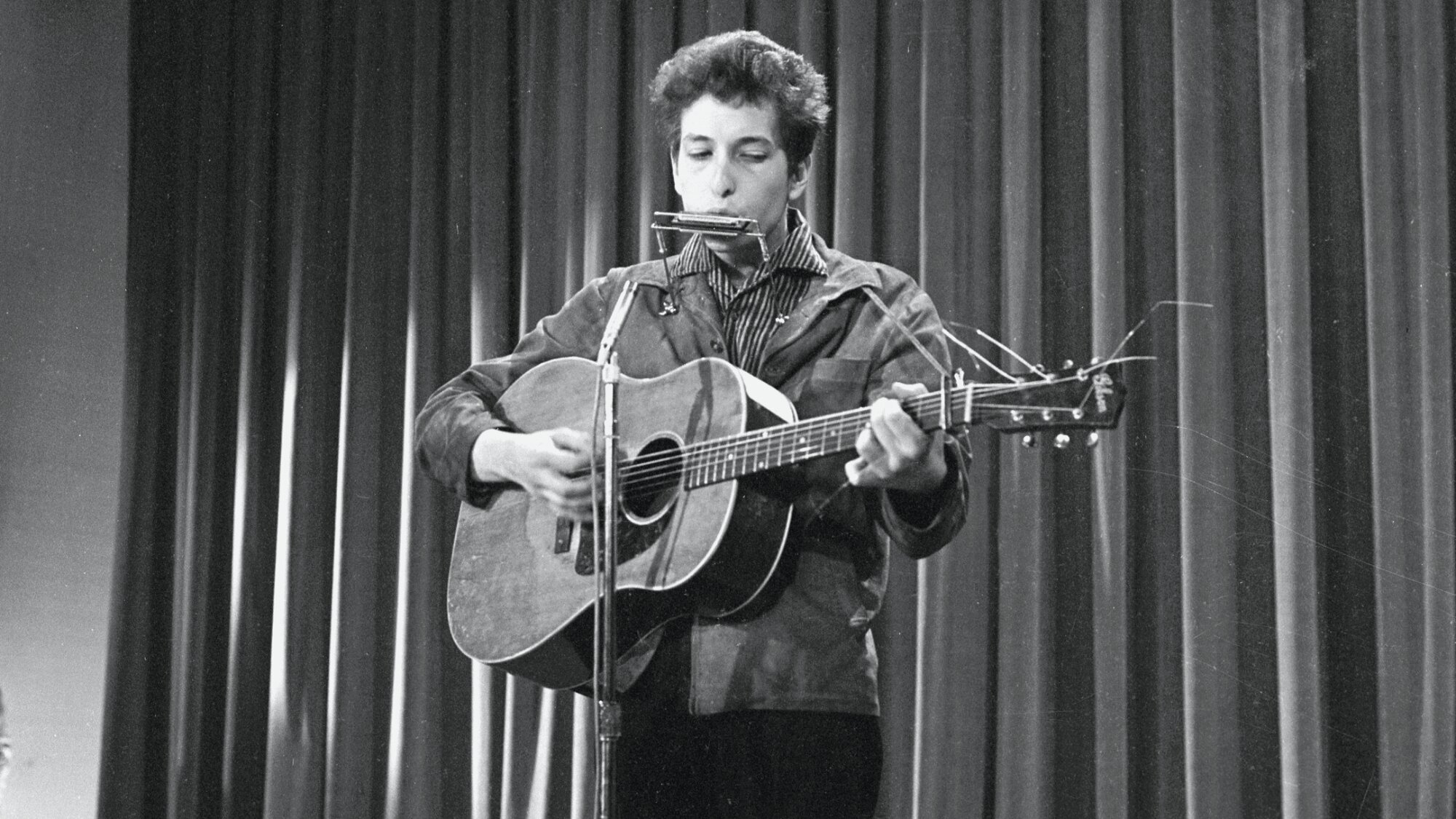
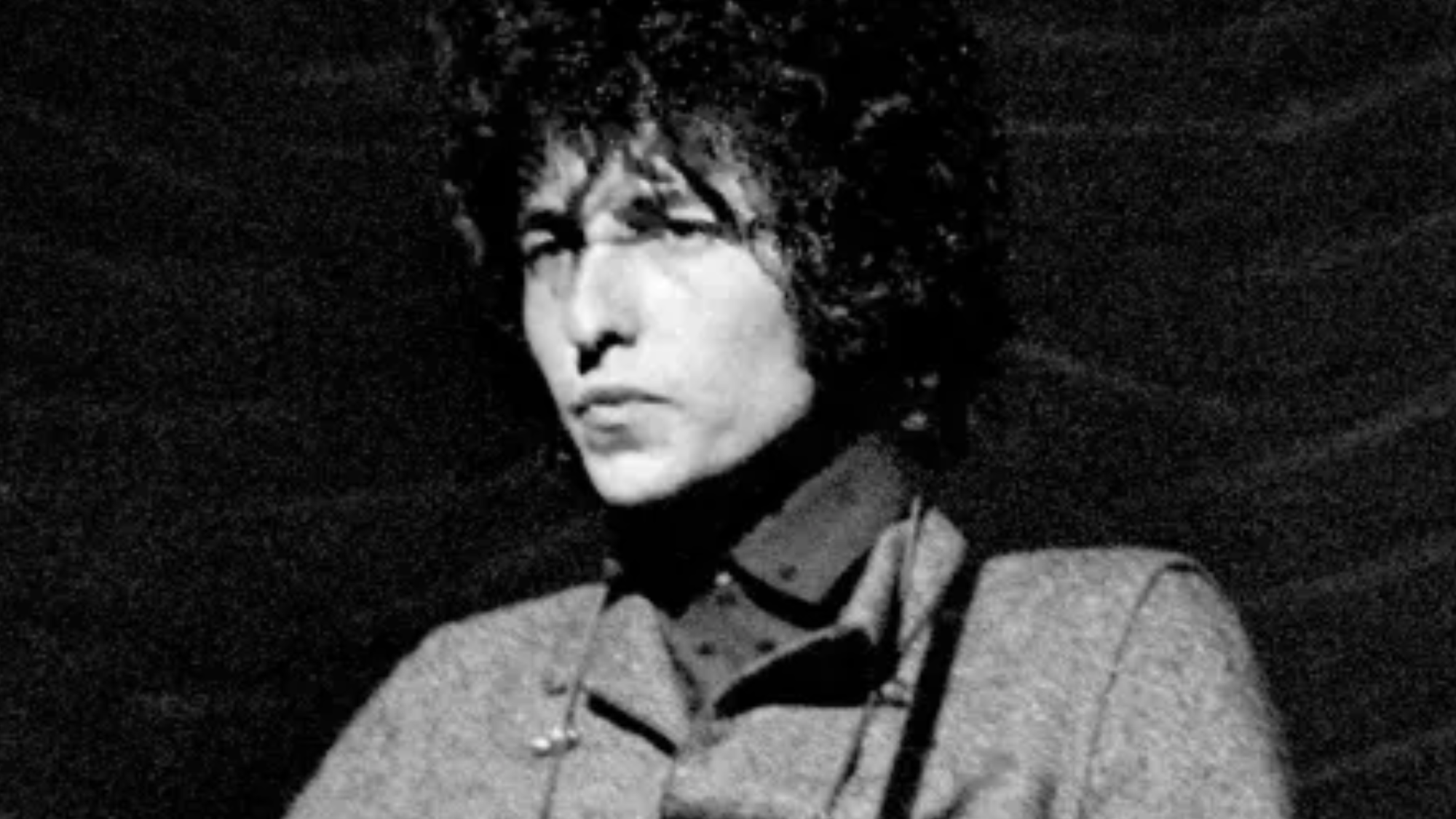
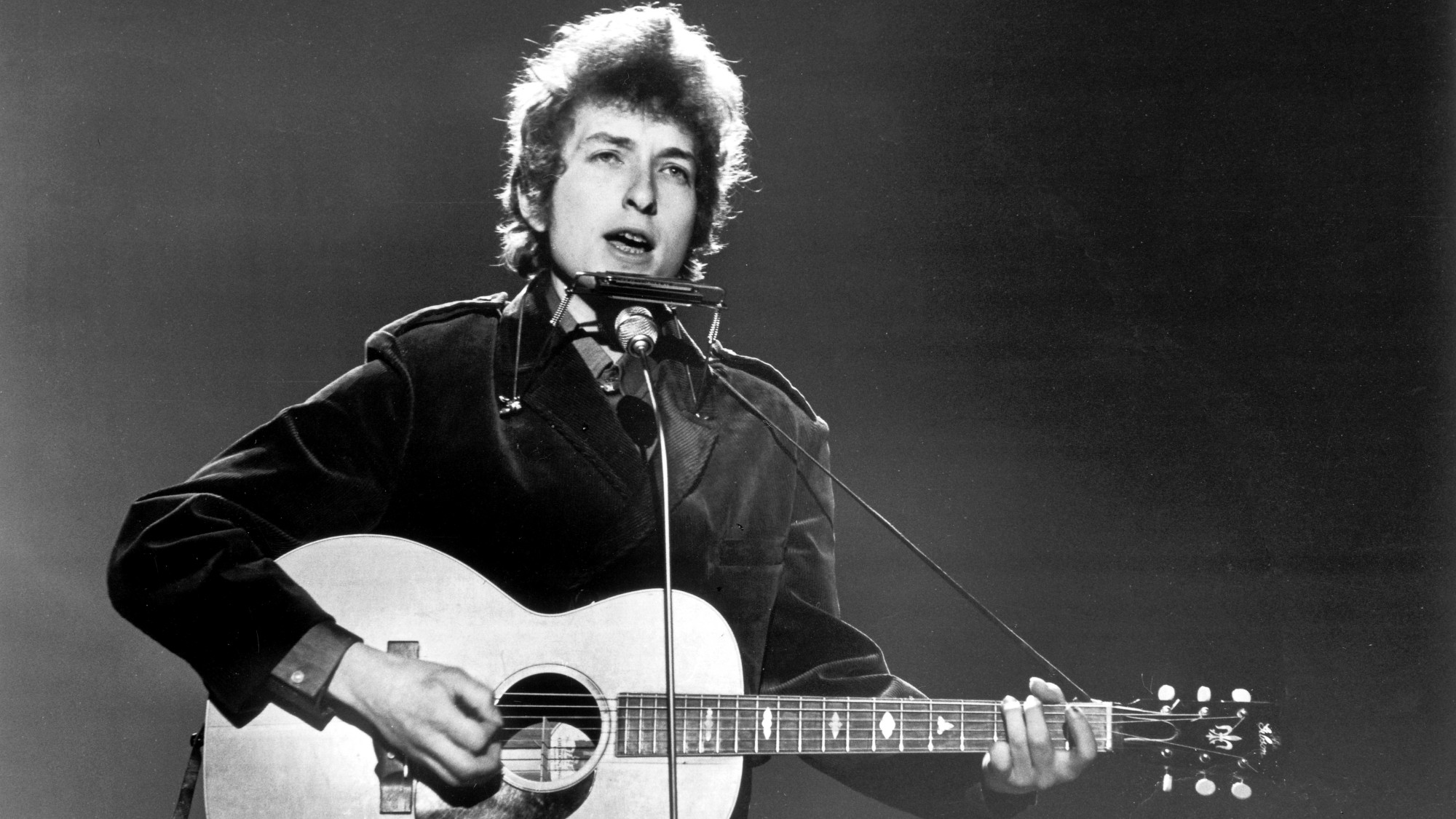
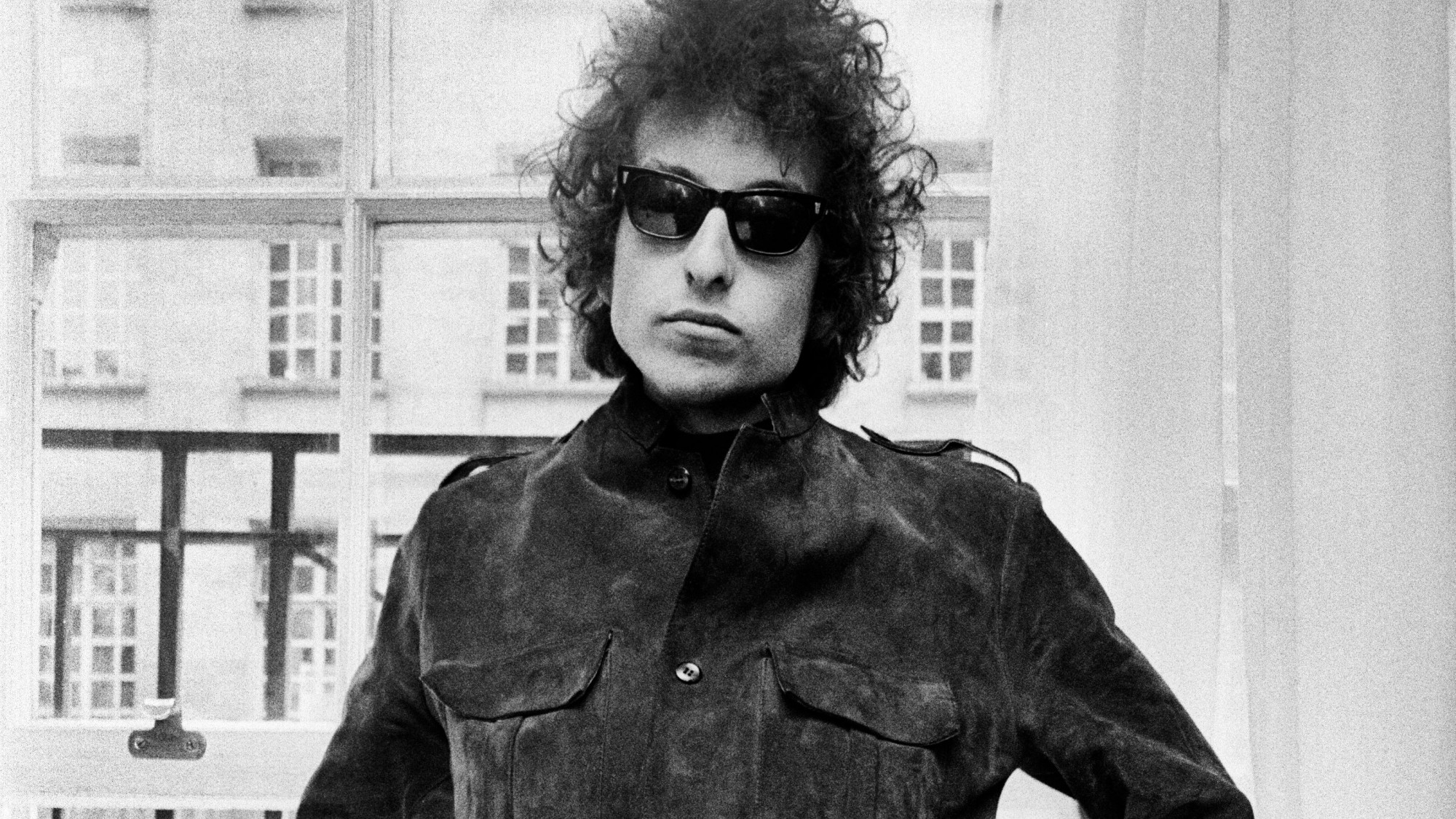
The melody of Bob Dylan’s “Restless Farewell” from his 1964 album The Times They Are a-Changin’ is also based on “The Parting Glass.”
Dylan transformed the traditional song about parting into a response to critics and his own creative independence—Oh, ev’ry foe that ever I faced / The cause was there before we came / And ev’ry cause that ever I fought / I fought it full without regret or shame.
Years earlier, Dylan learned “The Parting Glass” by singing along to the version by the Clancy Brothers and Makem. Sung by the younger Clancy brother, Liam, appeared on their 1959 album
Come Fill Your Glass with Us.
An early influence on Dylan, who once called Liam one of the “best ballad singers ever,” he would often follow the Clancy Brothers around during his Greenwich Village years. Liam also gave a young Dylan some early advice: “Remember Bob, no fear, no envy, no meanness.”
In honor of the brothers, Dylan later paid tribute to Liam Clancy by playing the group’s version of “The Parting Glass” on his SiriusXM show, Theme Time Radio Hour, in 2020.
“I could think of no one I’d rather share a parting glass with more than the Clancy Brothers,” said Dylan at the end of his show before “The Parting Glass” plays.
Photo: Sinead O’Connor (Michel Linssen/Redferns)
Leave a Reply
Only members can comment. Become a member. Already a member? Log in.