Revolver came at a very particular time in The Beatles’ history. They were just about to hang up their hats from touring shortly after this album was released. And their prior album, Rubber Soul, turned them from pop sensations into experimental rock legends.
Rubber Soul set the stage for this album, and Lennon’s “more popular than Jesus” remark around the release threatened to derail their success. In between those two tentpole moments was this equally influential album. Learn more about the genius behind Revolver and how it impacted The Beatles’ career below.
Videos by American Songwriter
[RELATED: 4 Beatles Songs That Stirred up the Bad Blood That Led to Their Breakup]
The Making of The Beatles’ ‘Revolver‘
The Beatles were in a new place when they started the recording for this album. “They were no longer the four-headed mop-top monster they’d been at the start,” Apple Records director Tony Bramwell once said. “They were developing their own lives away from the band, with John and George leading their suburban existences, George becoming interested in Indian music and Paul being thoroughly metropolitan, checking out the galleries and exhibitions, going to clubs and so on.”
While the beginning of their career saw them wide-eyed and blues-obsessed, their middle years were drug-fueled, crazed, and out-of-the-box. The culmination of that development, Revolver, gave them a much grander legacy than many would’ve pegged them for when they were youngins’ on The Ed Sullivan Show.
This album started with the revolutionary “Tomorrow Never Knows”. This ending track is one of the weirdest songs in the band’s discography. To get the particularly off-kilter sound this song imbues, they needed someone seriously skilled in the studio. This track is famous for being the first recorded by engineer Geoff Emerick, adding an essential piece to The Beatles puzzle.
Emerick would go on to help make most of The Beatles’ most celebrated songs. He was known for appealing to the band’s experimentation. He hit the ground running with his first effort.
“One request from John was that he wanted the vocal to sound like the Dali Lama singing on a mountain top twenty-five miles away,” Emerick once said. “Obviously we had no plug-ins or software. What we’ve got is two tape machines, a [recording console] and one echo chamber. So I’m looking through the control room window into the studio and saw the revolving Leslie speaker from the Hammond organ, and I thought: ‘If we could get John’s voice to go into that revolving speaker, maybe we’ll get something that sounds a bit new.’ And that is what we did use, on the last verse. That sort of won John over.”
“All I could do to accommodate requests for new sounds for them was really, basically, just to abuse the equipment,” he continued elsewhere.
Drug Influence
Another song that highlights the marvel of this album (and the band’s place at the time) is “Got To Get You Into My Life”. This weed-influenced song was a far cry from “Tell Me Why” or any of their other early, sanguine efforts. Hidden underneath lyrics that could be construed as a love song, the band flaunted their newfound creative fuel.
This song also spoke to the band and Emerick’s experimentation. From syncing up tape recorders to other musical magic, this song was The Beatles’ most impressively innovative song yet. The real genius of Revolver is that they weren’t trying to be world-altering musicians. They were playing around, with a finely skilled hand bringing their vision to life. This song is indicative of that.
This album was a fork in the road for the band. They couldn’t play much of this album live, which corresponded to their retirement from the road. And they couldn’t go back to the music they were making before. From then on out, The Beatles would be way more than a band with a few hits. They were essential building blocks for the evolution of rock music.
(Photo by: NBCU Photo Bank)
More Features
-
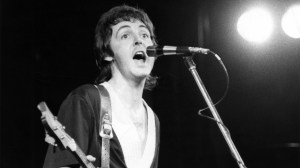
UNSPECIFIED – JANUARY 01: Photo of Paul McCARTNEY and WINGS; Paul McCartney performing on stage (Photo by David Warner Ellis/Redferns) -
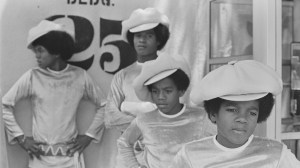
Left to right: Jackie, Jermaine, Marlon and Michael Jackson of American pop group The Jackson 5, at ABC-TV studios, California, 9th July 1971. The Jacksons are fiming their ABC TV special 'Goin' Back to Indiana'. They will also meet cast members of the TV show, 'The Brady Bunch', for a promotional special entitled 'The Brady Bunch Visits ABC'. (Photo by Laufer/Michael Ochs Archives/Getty Images) -
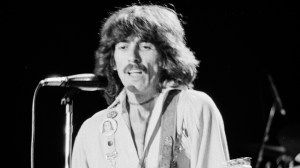
George Harrison performs onstage circa 1982. (Photo by Lester Cohen) (Photo by Lester Cohen/Getty Images) -
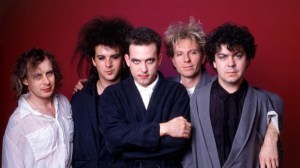
CLARKSTON – JULY 14: Guitarist Porl Thompson, bass player Simon Gallup, musician, songwriter and lead singer Robert Smith, drummer Boris Williams and keyboard player Laurence 'Lol' Tolhurst, all members of the English rock band The Cure, pose for a portrait backstage at the Pine Knob Music Theatre on July 14, 1986, in Clarkston, Michigan. (Photo by Ross Marino/Getty Images) -
Rick Ocasek – The Cars in concert in Philadelphia in 1979 (Photo by MpiRock/MediaPunch via Getty Images) -
Photo by © Hulton-Deutsch Collection/CORBIS/Corbis via Getty Images