Your cart is currently empty!



This 1972 Country Hit From a Teen Star Had a Surprisingly Paranormal Backstory
Even without knowing the song’s full backstory, there is a melancholy loneliness to the early 1970s country-pop hit “Delta Dawn”. The titular character is an older woman, chronically wayward, who spends her days waiting for a man who never shows. The chorus’ final question, which asks Delta Dawn if that mystery man was taking her to “his mansion in the sky,” implies that her wandering days are reaching an end.
Videos by American Songwriter
As sad as that idea may be, it pales in comparison to the actual inspiration behind the track that propelled Tanya Tucker into country music stardom as a teenager. Indeed, there really was a Delta Dawn, and she really did spend her whole life feeling unsettled, yearning for something or somewhere else.
And if anyone was acutely aware of this real-life Delta Dawn’s mentality and tendencies, it would be the song’s co-writer, Alex Harvey. That woman, after all, was Harvey’s mother.
How a Bittersweet, Paranormal Experience Helped Shape “Delta Dawn”
Years before Alex Harvey would jot down “Delta Dawn” in the wee hours of the early morning with Larry Collins, he experienced an unspeakable tragedy. Harvey was slated to perform on television, and before he went, he asked his mother not to come. She struggled with alcoholism, and he told her he didn’t want her showing up and embarrassing him because she got too drunk. Harvey’s mother died in a car crash that night. Harvey suspected it was a suicide, which only worsened his complex mix of grief and guilt.
The weight of this loss sat heavily on Harvey’s shoulders until one fateful night, when Harvey believed he saw his mother appear in a chair across from him. Harvey had spent the night passing the guitar around with his colleagues, but by the early hours of the morning, everyone was asleep. As Harvey quietly strummed the guitar to himself, he looked up and saw his mother. “I saw her very clearly,” Harvey later recalled in Chicken Soup for the Soul: Country Music. “She was in a rocking chair, and she was laughing.”
“I really believe that my mother didn’t come into the room that night to scare me but to tell me, ‘It’s okay,’ and that she had made her choices in life, and it had nothing to do with me,” Harvey continued. “I always felt like that song was a gift to my mother and an apology to her. It was also a way to say ‘thank you’ to my mother for all she did. Until that night in L.A., I harbored a lot of guilt over that. I feel like God allowed my mother’s spirit to visit me that night to release me. That night, I was finally able to make peace with my mother.”
The Song’s Titular Character Was Based on Alex Harvey’s Mother
The emotional release of seeing his mother in a rocking chair, laughing, knocked something loose in Alex Harvey’s mind. He was able to observe her in a different light—a creative perspective that would have been too hard to settle into while also wrestling with emotions like grief, guilt, and regret. With this newfound mental freedom, Harvey came up with the first lines to describe Delta Dawn and, in turn, his late mother. “She’s forty-one, and her daddy still calls her ‘baby’ / All the folks ‘round Brownsville say she’s crazy.”
The first two lines of this hit country song from the 1970s were more biographical than many people realized. “My mother had come from the Mississippi delta, and she always lived her life as if she had a suitcase in her hand but nowhere to put it down,” Harvey wrote of his mother. “She was a hairdresser in Brownsville. She was very free-spirited. Folks in a small town don’t always understand people like that. She never really grew up.”
“Whenever I hear the song on the radio—even today—I feel like my mama is up there saying, ‘You’re welcome,’” Harvey said.
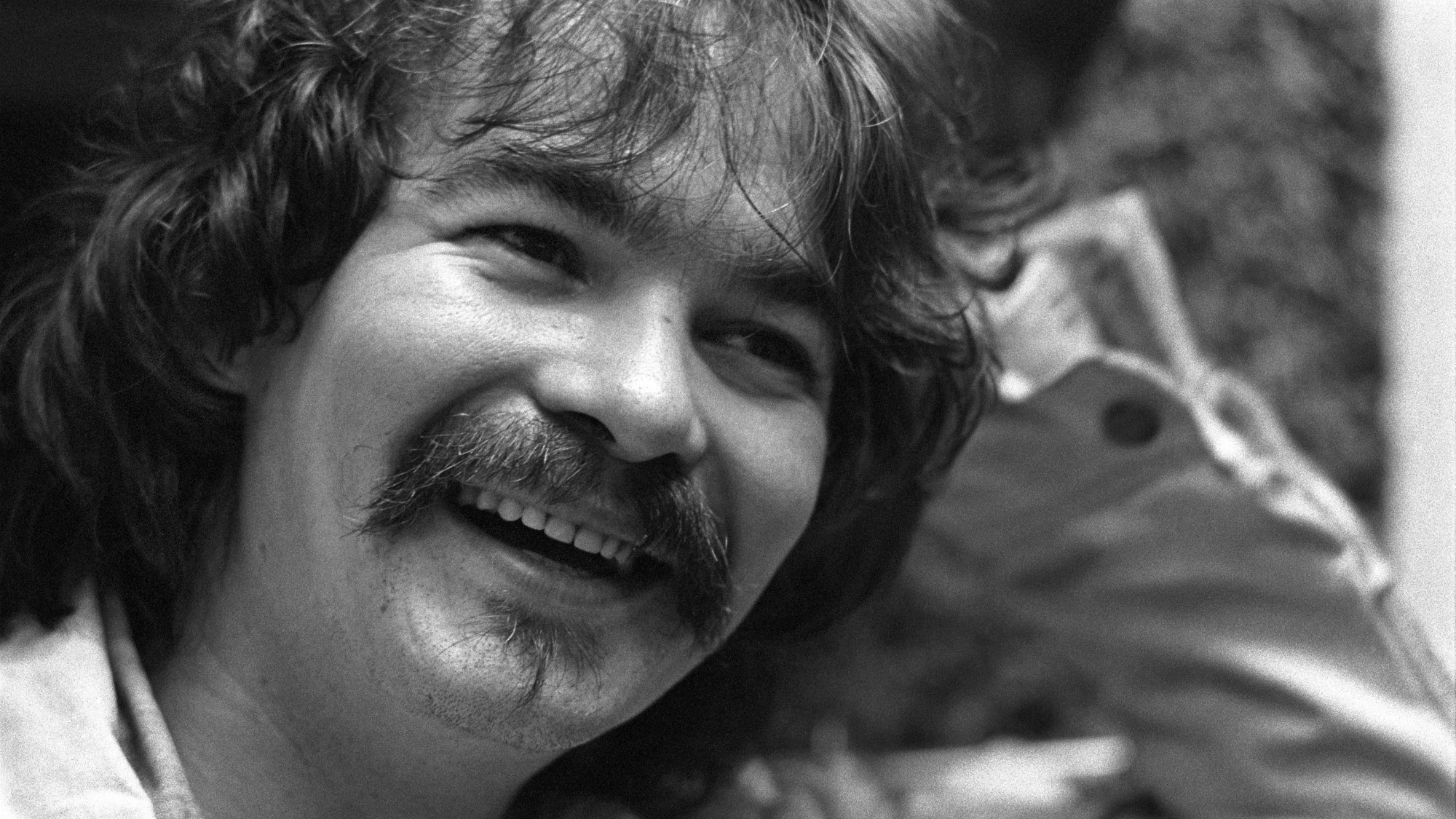
Photo by Michael Ochs Archives/Getty Images




Leave a Reply
Only members can comment. Become a member. Already a member? Log in.