Your cart is currently empty!



This Unsettling Aspect of Beatlemania Led The Beatles To Develop Questionable Defense Mechanisms in Response
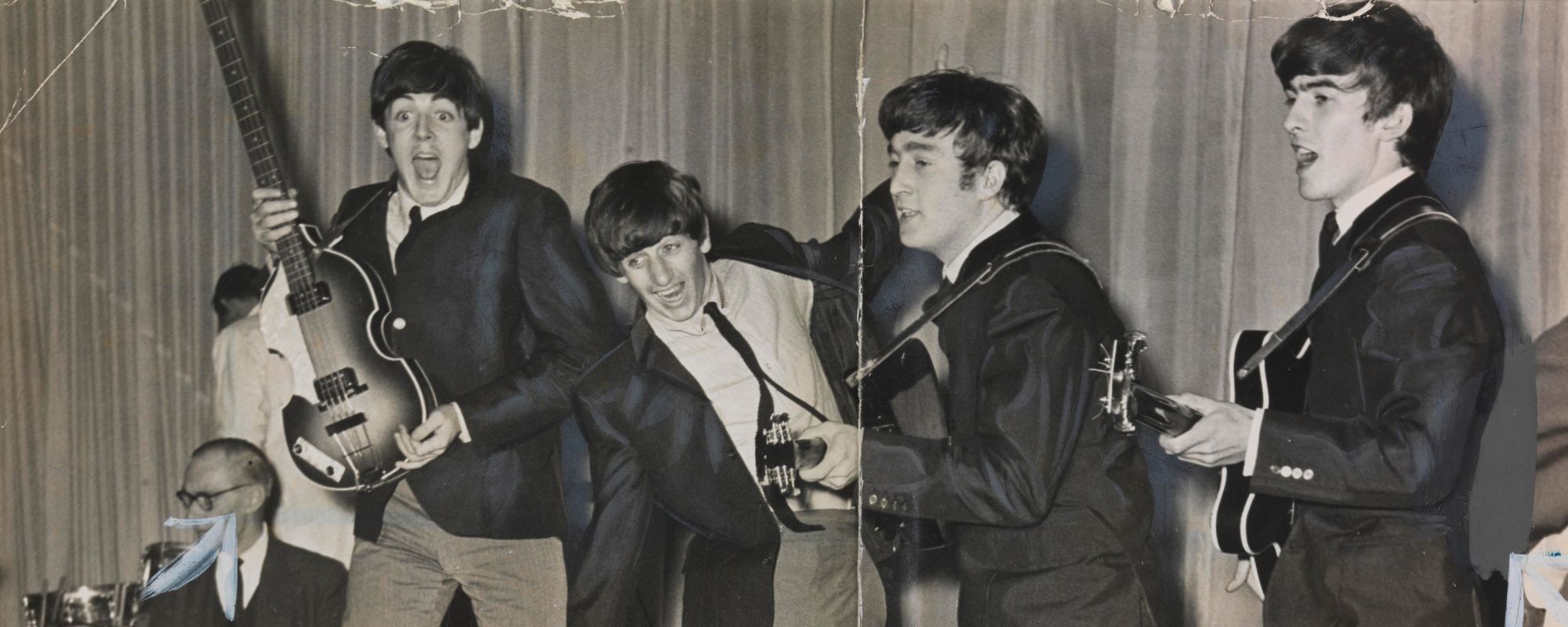
When we think of Beatlemania, we often think of swarms of screaming and crying young girls, all reaching out for their favorite Beatle with frantically waving arms. The image of the Fab Four running away from throngs of fans, smiles plastered on their faces, is a staple of their early film days. But this wild cat-and-mouse game didn’t stop when the cameras weren’t rolling and the gear was unplugged.
Videos by American Songwriter
In fact, one could argue that the more unsettling aspects of Beatlemania came out behind the scenes. These behaviors and habits of Beatles fans and non-fans led the band to develop some rather questionable defense mechanisms. But then again, could you imagine what you might do if you were in their shoes?
People Were Treating The Beatles Like Actual Gods
John Lennon’s infamous comments about The Beatles being “bigger than Jesus” garnered the group a lot of flak. But people were treating them that way. During their 1964 tour through Australia, Ringo Starr recalled a man on crutches throwing them down and shouting, “I can walk! I can walk!” Starr continued, “What he felt, I don’t know. But it was as if he was healed. And then he fell right on his face. He just fell over. Maybe that’s why it stuck in my head.”
Starr said many people with disabilities, illnesses, or otherwise would come to The Beatles and ask them to touch them. “It was very strange,” Starr recalled, per Anthology. “There were some really bad cases, God help them. There were some poor little children who would be brought in in baskets. And also some really sad Thalidomide kids with little broken bodies and no arms, no legs, and little feet.”
“The problem was, people would bring in these terrible cases and leave them in our dressing room,” Starr said. “They’d go off for tea or whatever, and they would leave them behind.”
This became such a pervasive part of The Beatles’ live performance experience that they began referring to anyone they didn’t want in their dressing room as “cripples,” which we should note is considered a derogatory term today, though it was used regularly in the 1960s. It’s a questionable response by today’s standards. However, as Paul McCartney explained, this separate “us and them” perspective was a defense mechanism that kept the men from becoming entirely overwhelmed by people’s supernatural expectations of them.
“The Reality Was Too Much”
Although it can be tempting to judge The Beatles for their harsh response to these people who were waiting to be “touched” by them, it’s impossible to say how one would react to getting treated like an actual god with healing powers unless they’ve experienced it. George Harrison added in Anthology, “We were only trying to play rock ‘n’ roll, and they’d be wheeling them in, not just in wheelchairs but sometimes in oxygen tents. What did they think that we would be able to do? I don’t know. I think it was that those people whose job it was to push them around wanted to see the show, and this was a way to get in.”
This seemed especially perturbing for John Lennon, who leaned into “spastic” jokes with such high frequency that it became clear to his bandmates that his taunting came from a place of very real fear. “I think the reality was too much for him,” Harrison said.
Lennon’s comments seem to corroborate this idea. “It’s always the mother or nurse pushing them on you,” he said. “They would push these people at you like you were Christ, as if there were some aura about you that would rub off on them. It was just dreadful. When we would go through corridors, they would all be touching us. It was horrifying. We felt sorry for them—anybody would—but it was awful. There is only so much we could say with the pressure on to perform.”
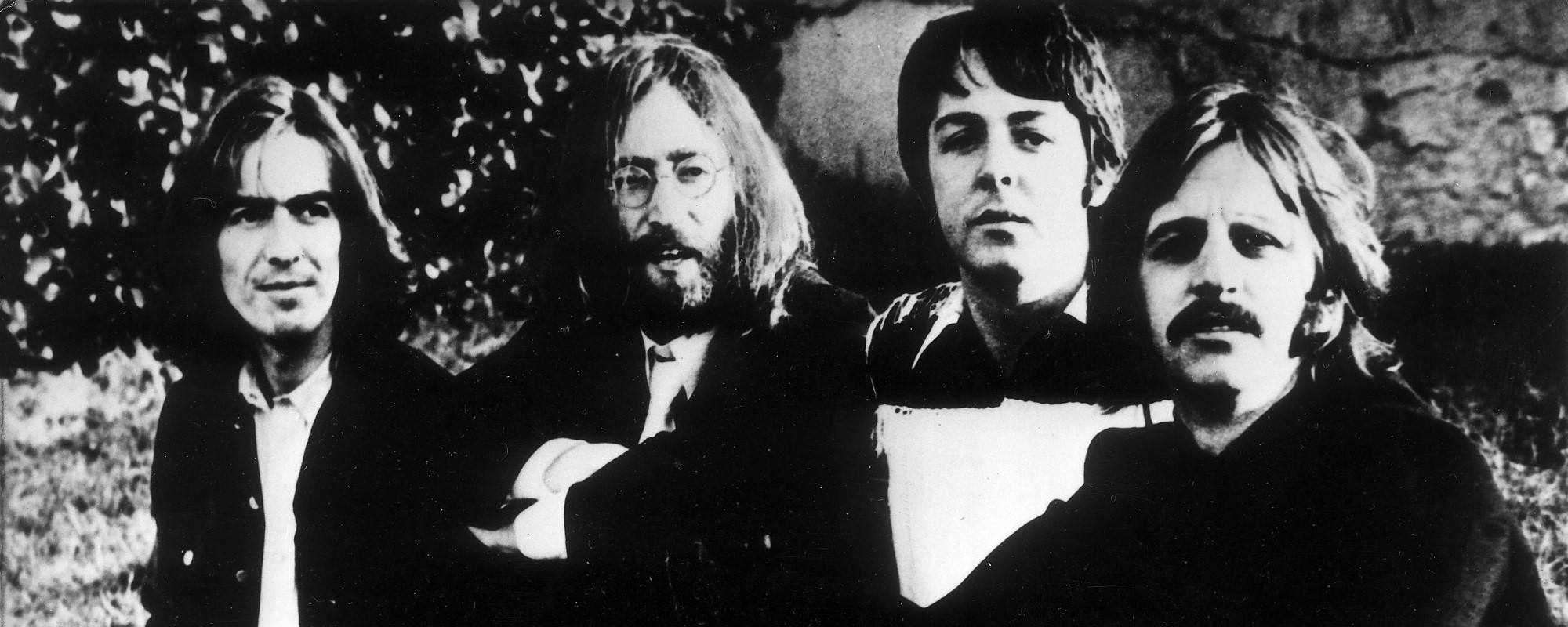
Photo by Daily Mirror/Mirrorpix/Mirrorpix via Getty Images
Leave a Reply
Only members can comment. Become a member. Already a member? Log in.