With a sheen of nostalgia on them, the three 1960s pop songs feel like pure art. When they were released, these tracks were hit-worthy but too current to be considered classics. Now that they have more than earned that status, we’re able to see how they were integral in the musical development of their era.
[RELATED: 3 Rock Songs From 1967 That Every 60s Kid Still Knows by Heart Today]
Videos by American Songwriter
“Be My Baby” — The Ronettes
The Ronettes’ “Be My Baby” is widely considered one of the best compositions of the 1960s. Beach Boys mastermind Brian Wilson once called this track one of the greatest pop songs ever, and he’s not alone in that opinion.
“By My Baby” is syrupy sweet and has endless replay value. It comes as no surprise that it did well upon its release. But, looking back on it in modernity, it holds a value far exceeding that of a run-of-the-mill hit. The chorus’s catchiness feels scientifically crafted. It’s a hit by which all others are measured.
“I Say A Little Prayer” — Aretha Franklin
Everything Aretha Franklin touched felt like art. Her vocals could turn the simplest song into a masterpiece. Take her version of “I Say A Little Prayer” for example. This 1960s pop hit has very little excitement about it on paper. But when you add Franklin’s legendary voice, the lyrics jump off the page.
This song was plenty revered in its day, but it’s even more so celebrated in hindsight. Hearing a voice like Franklin’s in modernity is almost too magical to believe. Like seeing a painting created centuries ago, hearing Franklin’s timeless voice is an artful experience.
“Will You Love Me Tomorrow” — The Shirelles
The Shirelles’ “Will You Love Me Tomorrow” broke boundaries and records. Becoming the first chart-topping single released by a Black girl group, this song was era-defining in more ways than one. Moreover, this song’s subject matter pushed the limits of popular music in the 1960s.
“Tonight the light of love is in your eyes / But will you love me tomorrow?”, the lyrics read. The Shirelles defied the typical subject matter for female artists of the era, opening the door to a new kind of vulnerability. Clearly, the listening public was ready for this change, as evidenced by the song’s success. Knowing how this song affected the music industry as a whole, it’s hard not to listen back to it and hear it as a legendary piece of art.
(Photo by Jack Robinson/Getty Images)
More The List
-

Avril Lavigne (Photo by Jeff Kravitz/FilmMagic) -
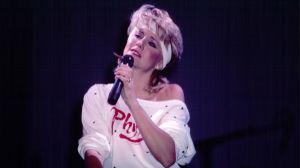
British-born Australian Pop singer Olivia Newton-John (1948 – 2022) performs onstage at Forest Hills Stadium, Queens, New York, New York, August 13, 1982. (Photo by Gary Gershoff/Getty Images) -
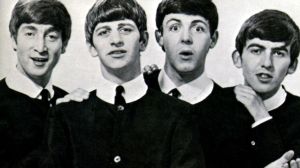
Postcard '900. The Beatles. (Photo by Fireshot/Universal Images Group via Getty Images) -
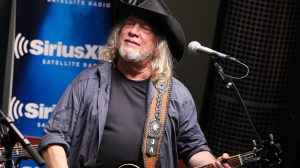
NASHVILLE, TN – MAY 20: Singer John Anderson performs at SiriusXMs Music City Theatre on May 20, 2015 in Nashville, Tennessee. (Photo by Terry Wyatt/Getty Images) -
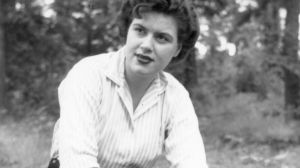
Photo by Michael Ochs Archives/Getty Images -
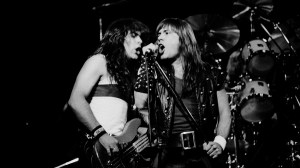
MERILVILLE, IN. – MAY 25: Iron Maiden at the Holiday Star Theater on May 25, 1982 in Merilville, Indiana. (Photo by Paul Natkin/WireImage) -
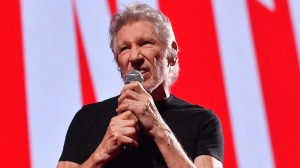
LONDON, ENGLAND – JUNE 06: Roger Waters performs on stage at The O2 Arena during the 'This is Not A Drill' tour, on June 06, 2023 in London, England. (Photo by Jim Dyson/Getty Images)