These pop songs from the 1960s are still quite loved today, and oddly enough, they were originally rejected by labels. It’s crazy to think that they almost never existed. Thankfully, those labels eventually had the sense to let them see the light of day.
“What A Wonderful World” by Louis Armstrong (1967)
This has to be one of the most memorable songs of the 1960s. And yet, when it was first released, “What A Wonderful World” did quite poorly on the US charts. That might seem strange, considering the song hit No. 1 in the UK and the Top 10 across Europe. There’s a reason for that. Apparently, Larry Newton, the president of ABC Records at the time, didn’t care for the song and refused to promote it. That didn’t stop Louis Armstrong’s beautiful tune from becoming a cultural phenomenon. When the song was reissued in 1988, it made it all the way to No. 32 on the Billboard Hot 100.
Videos by American Songwriter
“Have I The Right?” by The Honeycombs (1964)
Remember this pop hit from The Honeycombs? If not, you probably remember The Honeycombs as a band if you were around in 1964. They were known for their female drummer, Honey Lantree, who was a pioneer among women in music at the time. The band’s hit tune, “Have I The Right?”, was a No. 5 hit in the US and a chart-topper in the UK, Canada, and several other countries. Surprisingly enough, the tune was initially rejected by quite a few major labels when producer Joe Meek tried to shop it around. Eventually, Pye Records saw the song’s appeal and published the song, and the rest is history. By late 1964, “Have I The Right?” had sold over a million copies globally.
“Born To Be Wild” by Steppenwolf (1968)
This hard rock classic was also quite the crossover pop hit in 1968, peaking at No. 2 on the Hot 100 chart. “Born To Be Wild” by Steppenwolf makes it to our list of pop songs from the 1960s that were rejected because a number of bands (and their labels) turned the song down when songwriter Mars Bonfire tried shopping it around. One noteworthy band that didn’t take the offer was The Human Expression. Steppenwolf eventually recorded it, and it became one of the most intense rock anthems of the late 1960s.
Photo by Michael Ochs Archives/Getty Images
More The List
-
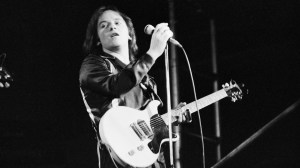
Singer, songwriter and musician Eric Stewart performing with English rock band 10cc, February 1976. (Photo by Michael Putland/Getty Images) -

Patrick Swayze and Jennifer Grey in a scene from the film 'Dirty Dancing', 1987. (Photo by Vestron/Getty Images) -
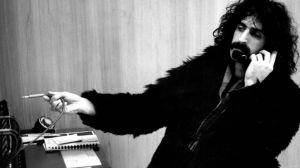
NEW YORK – DECEMBER 21: Rock and roll guitarist Frank Zappa wears a black fur coat as he operates a telephone switchboard and talks on the phone at Apostolic Studio – Soho on December 21, 1966 in New York City, New York. (Photo by Michael Ochs Archives/Getty Images) -
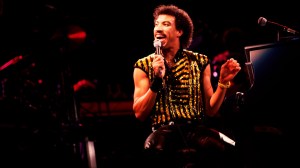
Lionel Richie performing on stage at the Rosemont Horizon in Rosemont, Illinois, June 12, 1984. (Photo by Paul Natkin/Getty Images) -
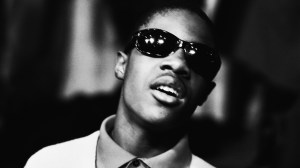
Photo by David Redfern/Redferns/Getty Images -
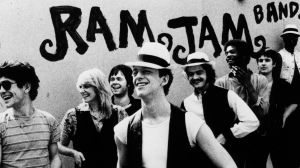
UNSPECIFIED – JANUARY 01: Photo of RAM JAM; Posed group portrait of Ram Jam (Photo by Echoes/Redferns) -
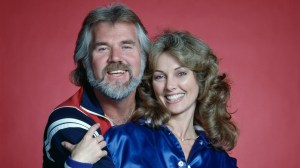
CROCKETT – APRIL 12: A CBS television country music presentation, A Special Kenny Rogers. Originally broadcast April 12, 1979. Crockett, TX. Kenny Rogers with guest, country singer Dottie West. (Photo by CBS via Getty Images) -
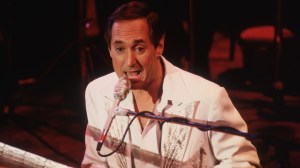
circa 1975: American songwriter, pianist and singer Neil Sedaka on stage at the Colston Hall in Bristol. (Photo by Hulton Archive/Getty Images)