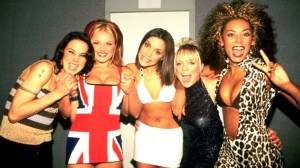
Bands plan comebacks all the time. And more often than not, those reunion tours or comeback albums are successful. For some, though, success is nowhere to be found, and it’s not necessarily the fault of the band. Look at the 1970s, for example. That era had a very distinct sound, as did the 1980s. However, music in the 1970s sounded very different from music in the 1980s. Thus, bands from the former era had a lot of trouble making it big again in the following decade. These three rock bands from the 1970s—more or less—failed comeback attempts in the 1980s are just a few examples of this (crappy and unfair) phenomenon.
Blood, Sweat & Tears
Blood, Sweat & Tears, launched in 1967, famously blended together jazz, rock, and R&B with ease. They were incredible to see live, and their 1970 album Blood, Sweat & Tears 3 is still a well-loved piece of 1970s music history.
Videos by American Songwriter
However, the band had a hard time keeping it together in the 1980s. They’re fortunately still together today and survived the turning tides of time, but back in the 1980s, they had a rough go of it. Between lineup changes and a difficulty in finding visibility in a new world of rock, their initial comeback wasn’t that great. Thankfully, they’ve since found their footing in the modern age and are still rockin’ today.
The Byrds
The Byrds were legendary. They pioneered folk rock in the 1960s and 1970s. The Byrds spawned additional powerhouse bands, such as David Crosby’s iconic stint with Crosby, Stills & Nash. They were an incredible band.
Sadly, the 1980s were just too different from the 1970s, especially the late 1980s. After breaking up in 1973, The Byrds tried to get back together in 1989 with their classic lineup. Sadly, their work was just too dated for 1980s audiences. Their reunion album wasn’t as creatively groundbreaking as their previous works.
Foghat
Remember Foghat? This example of rock bands who failed to launch a successful comeback deserved better, in my opinion. Foghat was known for 1970s bluesy hits like “Slow Ride”. They tried to get back in the saddle in the mid-1980s. Sadly, the world of rock had radically changed.
Keeping up was a struggle, and Foghat struggled to balance their authenticity with a sound that then-modern audiences wanted. Sometimes, being tied to one era is good enough. Sometimes, you just have to let your legacy in music history stay in the past.
Photo by Michael Ochs Archives/Getty Images
More The List
-
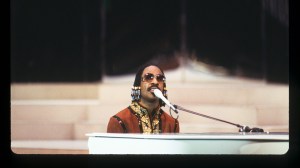
1978 AMERICAN MUSIC AWARDS – Broadcast Coverage – Airdate: January 16, 1978. (Photo by ABC Photo Archives/Disney General Entertainment Content via Getty Images) STEVIE WONDER, WINNER FAVORITE SOUL/R&B MALE ARTIST -

CIRCA 1973: Singer/songwriter Dan Fogelberg poses for a portrait in circa 1973. (Photo by Michael Ochs Archives/Getty Images) -
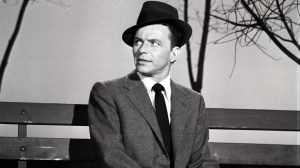
THE FRANK SINATRA SHOW – Airdate: November 8, 1957. (Photo by ABC Photo Archives/Disney General Entertainment Content via Getty Images) FRANK SINATRA -
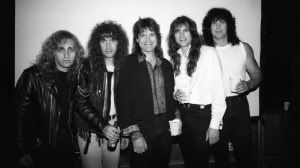
CHANHASSEN, MN – MAY 31: Rock band Alias poses for a portrait at Paisley Park Studios in Chanhassen, Minnesota on May 31, 1990. (Photo by Jim Steinfeldt/Michael Ochs Archives/Getty Images) -
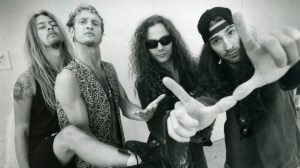
Rock group Alice in Chains. Left to right Jerry Cantrell, guitar; Layne Staley, vocals, Michael Starr, bass and Sean Kinney in Hollywood for rehearsal July 1991. -
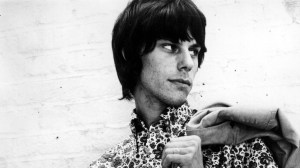
circa 1966: Jeff Beck, lead guitarist with British rhythm and blues group The Yardbirds, models a flowered shirt by John Stephen. (Photo by Keystone/Getty Images) -
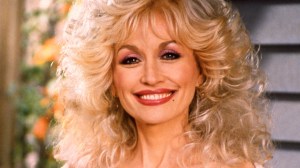
American singer-songwriter, actress, and businesswoman Dolly Parton, poses for a portrait circa 1995 at Dollywood in Pigeon Forge, Tennessee. (Photo by Ron Davis/Getty Images)