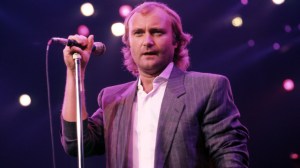
When you lean into pop appeal as a rock star, you might be accused of selling out. Rockers are supposed to stumble upon and refute success, not give into the “machine,” as it were. So when a rocker makes the active decision to capitalize on success, it isn’t always well received. The three rock stars from the 1970s below earned one crossover appeal and never looked back. Whether that was a good decision or a bad one is up to the listener.
[RELATED: 4 Songs From the 1970s That Have Solid Life Advice Worth Taking Decades Later]
Videos by American Songwriter
“Play That Funky Music” — Wild Cherry
You can hear the story of Wild Cherry’s sonic transformation in their biggest hit, “Play That Funky Music”. Once a regional hard rock band from Ohio, Wild Cherry became a 1970s funk rock staple with massive pop crossover appeal.
The famous heckle that inspired this one-hit wonder changed Wild Cherry’s trajectory overnight. As the story goes, an audience member at a club told the band to play something they could dance to, which in turn earned them this classic. From this point on, Wild Cherry was firmly set on a new path.
“Vehicle” — The Ides Of March
“Vehicle” took The Ides of March from a traditional 1970s garage rock band and turned them into a brassy, horn-driven group. This song changed the way people saw this band and how they saw themselves. One top 40 hit made them rethink their sonic direction.
This track made The Ides of March understand the merit of a pop appeal. This brief brush with crossover fame wouldn’t be recreated for them again. But the intention was set to keep building on the sound this song established. “Vehicle” was just such a lightning-in-a-bottle moment; they couldn’t capture it again.
“Spirit In The Sky” — Norman Greenbaum
Originally released in 1969 and rolled out in 1970, this Norman Greenbaum song propelled him from an acoustic artist to a full-blown psychedelic mainstay. His instrumentation was expanded tenfold, and his style stretched far into rock’s many late-60s and early-70s subgenres, including psychedelia, blues, and gospel.
Greenbaum’s success didn’t hold up after this track. He refused to look back in a different way than the other artists on this list. He left this song in the past and moved forward as if it hadn’t earned the success it did. In an effort not to be “phony” and recreate the same sound, it cost him continued success.
(Photo by Michael Ochs Archives/Getty Images)
More The List
-
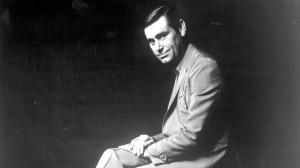
UNSPECIFIED – CIRCA 1970: Photo of George Jones Photo by Michael Ochs Archives/Getty Images -
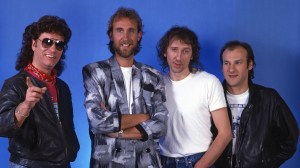
1986: British pop rock group Mike and the Mechanics (Paul Carrack, Adrian Lee, Mike Rutherford, Peter van Hooke, Paul Young) (Photo by BSR Agency/Gentle Look via Getty Images) -
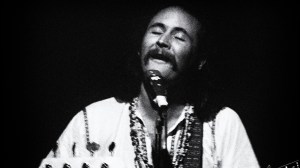
David Crosby of rock band “The Byrds” smiling as he performs in a club in a frontal, waist-high view, eyes half closed, with a mic, circa 1967 in Los Angeles, California. (Photo by Sulfiati Magnuson/Getty Images) -
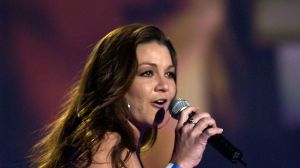
Gretchen Wilson at rehearsals for the 39th Annual Academy of Country Music Awards at the Mandalay Bay Resort in Las Vegas (Photo by Ron Wolfson/WireImage for Bragman Nyman Cafarelli) -
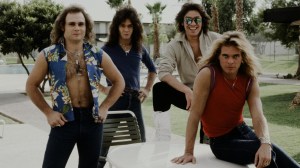
Photo by David Tan/Shinko Music/Getty Images -
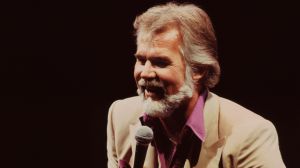
LONG BEACH, CALIFORNIA – MAY 09 : Kenny Rogers performs in concert, May 9, 1986 at Long Beach Arena in Long Beach, California. (Photo by Getty Images/Bob Riha, Jr.) -
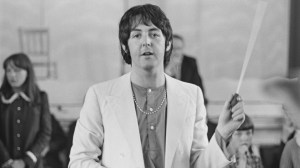
English musician, singer, songwriter, and composer Paul McCartney records the Lennon-McCartney composition 'Thingumybob' with the Black Dyke Mills Band in Saltaire, City of Bradford, West Yorkshire, 30th June 1968. (Photo by Tony Evans/Timelapse Library Ltd./Getty Images)