
Some of the most impactful songs about the Vietnam War were not even written with the conflict in mind. Here are three songs that unexpectedly became war anthems.
“We Gotta Get Out Of This Place” by The Animals
This song by The Animals doesn’t mention war. But it was written for people who want to get out of a difficult spot. For many of the troops in Vietnam at the time, this sentiment was true. “We Gotta Get Out Of This Place” was also played at proms and high school graduations. However, in a study done by the University of Wisconsin-Madison, this song was picked by veterans as the one they most associated with the war.
Videos by American Songwriter
“We had absolute unanimity, this song being the touchstone,” Doug Bradley, a veteran, shared. “This was the Vietnam anthem. Every bad band that ever played in an armed forces club had to play this song.”
“For What It’s Worth” by Buffalo Springfield
This song was originally written about some riots between police and the youth that occurred on Los Angeles’ Sunset Strip in 1966. The riots had to do with new curfew restrictions that were put in place at the time. However, “For What It’s Worth” did end up becoming an anti-war anthem. Honestly, it’s hard not to look at these lyrics and not think about Vietnam with that context.
There’s battle lines being drawn
Nobody’s right if everybody’s wrong
Young people speaking their minds
Getting so much resistance from behind.
“Chain Of Fools” by Aretha Franklin
This song hit No. 2 on the Billboard Hot 100 and No. 1 on the Billboard Hot Rhythm & Blues chart. “Chain Of Fools” was originally written about the “cycle of property and slavery,” according to Tony Covay, the son of Don Covay, who wrote it. When Franklin sings it, it sounds like a heartbreak anthem. One in which a woman discovers that she’s just a “link” in her lover’s chain of fools.
“Chain Of Fools” was also selected as one of the songs in that study by the University of Wisconsin-Madison that veterans most resonated with. According to the study, for vets, especially African Americans, this song “frequently represented the growing disenfranchisement between the ‘grunts’ and the ‘chain of command’ in the war.”
Photo by: David Redfern/Redferns
More The List
-
Photo by Silver Screen Collection/Hulton Archive/Getty Images -
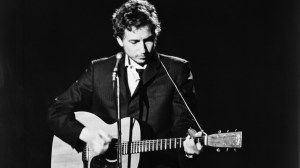
ASHVILLE, TN – JUNE 07: Bob Dylan appearing on "The Johnny Cash Show" for ABC/TV taped at Ryman Auditorium on June 7, 1969 in Tennessee, Nashville. (Photo by Michael Ochs Archives/Getty Images) -

Photo by Hulton Archive/Getty Images -
Photo by Don Smith/Radio Times via Getty Images -

New York, N.Y.: Rock singer Cyndi Lauper poses for a photograph on a street by the 59th Street Bridge in Manhattan, New York on December 9, 1983. (Photo by Ozier Muhammad/Newsday RM via Getty Images) -
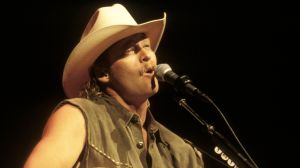
Singer, songwriter and guitarist Alan Jackson is shown performing on stage during a live concert appearance on August 31, 1998 in Wallingford, Connecticut. (Photo by Getty Images/John Atashian) -

Photo by Mick Hutson/Redferns/Getty Images -

Green Day, who released one of the most memorable rock songs of 1995