
The 1990s were a great time for controversial tunes in rock, hip-hop, and beyond. While this list is far from exhaustive, we think these four songs from the 1990s were controversial for pretty interesting reasons. Let’s dive in!
1. “Sexy MF” by Prince & The New Power Generation
This 1992 song from Prince was a big deal at the time of its release, though Prince had reportedly removed it from his live setlist later on in his career as he opted for a more religious lifestyle. The track had to be heavily edited in order to hit the radio airwaves, as was the music video for the song. Prince was no stranger to “questionable” songs, but “Sexy MF” was one of his most explicitly sexual. Still a great song, though.
Videos by American Songwriter
2. “Killing In The Name” by Rage Against The Machine
We’ve covered this track quite a bit on our lists of controversial songs. This 1992 song from Rage Against The Machine was considered very controversial when it was first released because of its notoriously explicit lyrics about police brutality and anti-black racism in the United States. It’s still a staple protest song today; and sadly, also very relevant today.
3. “Closer” by Nine Inch Nails
Like Prince’s “Sexy MF”, this 1994 song from Trent Reznor was one of the most controversial songs of the 1990s. It’s extremely sexual in nature, with lyrics so explicit that it had to be edited for radio play. Even though some listeners were unhappy with the song’s existence, it’s still considered one of Nine Inch Nails’ most well-known and recognizable songs years later.
4. “Cop Killer” by Body Count
While many might know Ice-T as the loveable investigator from Law & Order: SVU, his real call to fame came from fronting the rap metal outfit Body Count. Back in 1992, the band’s song “Cop Killer” was considered extremely controversial. Its explicit lyrics and eyebrow-raising title ruffled a few feathers, though the song itself is a protest song about police brutality. Censorship activists tried to wipe the song from the airwaves, but they were unsuccessful. The internet is great for keeping music alive, whether someone likes it or not.
Photo by Crollalanza/Shutterstock
When you purchase through links on our site, we may earn an affiliate commission.
More The List
-
UNSPECIFIED – CIRCA 1970: Photo of Little Jimmy Dickens Photo by Michael Ochs Archives/Getty Images -
Paul McCartney of The Beatles, at press conference to announce Leicester University's art festival, held at the Royal Garden Hotel, London, 5th February 1968. (Photo by Blandford/Mirrorpix/Getty Images) -
NEW YORK – AUGUST 1980: Former Beatle John Lennon arrives at the Times Square recording studio 'The Hit Factory' before a recording session of his final album 'Double Fanasy' in August 1980 in New York City, New York. (Photo by Vinnie Zuffante/Getty Images) -
Waylon Jennings, who had a major hit with a Ray Pennington song -
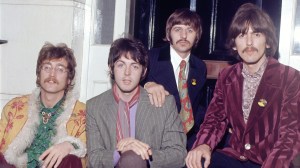
Photo by Jeff Hochberg/Getty Images -
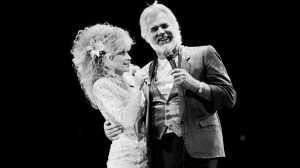
American Country musicians Dolly Parton and Kenny Rogers (1938 – 2020) perform together onstage at Brendan Byrne Arena (later Meadowlands Arena), East Rutherford, New Jersey, October 20, 1988. (Photo by Gary Gershoff/Getty Images) -

SInger songwriter Harry Nilsson (1941 – 1994), 1972. (Photo by Stan Meagher/Daily Express/Hulton Archive/Getty Images) -
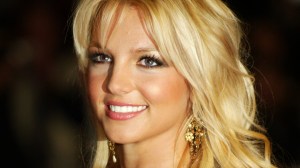
Britney Spears during 2004 NRJ Music Awards – Arrivals at Palais des Festivals in Cannes, France. (Photo by Toni Anne Barson/WireImage)