Your cart is currently empty!



Boston Tricked Their Record Label Into Thinking Their Debut Album Was Professionally Recorded
Boston released their debut studio album in 1976 with a unique sound that would go on to represent them in their following albums. It all started with the band making their record label believe they had recorded the album in a professional studio when they had, in fact, not done that.
Videos by American Songwriter
Guitarist Tom Scholz and vocalist Brad Delp had been active in the Boston rock scene, writing songs and making demos. However, they were rejected by every major label they went to. Eventually, Epic Records received the band’s demos and signed them in 1975.
Epic Records urged Boston to re-record their demos in a professional studio in Los Angeles. The band deceived the label, however. Scholz was recording the bulk of the album alone at his home in Massachusetts.
As such, the final album is a complete recreation of the demos. Many of the songs on Boston’s debut were written years earlier. Still, the sound on the album became known as the “Boston sound,” describing their signature style.
Boston Never Bothered To Record Their First Album Professionally, Embracing the Lo-Fi Route
The Boston sound was developed mostly by Scholz and his love for melodic rock. There were influences of classical music mixed with guitar-heavy rock acts such as The Yardbirds and The Kinks. The unique lo-fi approach could have possibly influenced Bruce Springsteen on Nebraska, which was also made up of demos recorded by Springsteen alone.
Boston’s debut was released in 1976 and broke sales records. It became the best-selling record in the U.S., selling more than 17 million copies since its release. Worldwide, however, it has broken 20 million copies.
The reasoning for the trickery with the label, overall, was that Scholz was unhappy with not being in charge of the recording process. Epic Records, in conjunction with CBS and Columbia, signed the band to a contract that required 10 albums in 6 years.
The label also had an agreement with NABET, which was the union that represented broadcast engineers. The agreement stated that a union-approved engineer had to be present if recording was done outside of a Columbia-owned studio. This led to Epic urging Boston to record in L.A. Scholz wasn’t happy with that agreement.
Scholz brought John Boylan on to keep the label happy and run interference while Scholz recorded the album. He wanted something that sounded exactly like the demos, and figured he could only do that in his home basement studio. In what he described as “an elaborate end run around the CBS brain trust,” Boylan took the rest of the band to L.A. as a ruse. All the while, Scholz was creating the Boston sound in his basement.
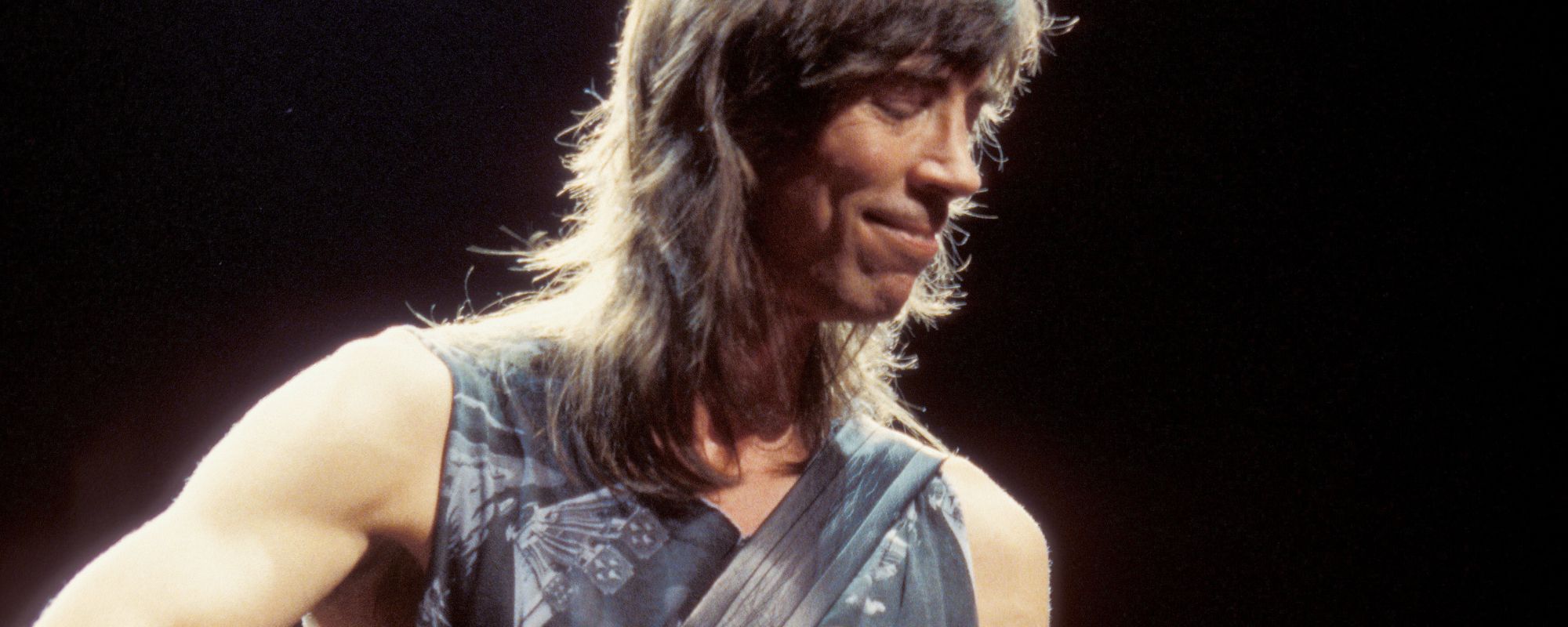
Photo by Michael Ochs Archives/Getty Images

Leave a Reply
Only members can comment. Become a member. Already a member? Log in.