Your cart is currently empty!


Why The Commodores First Top 40 Hit Was So Unlike What the Band Became
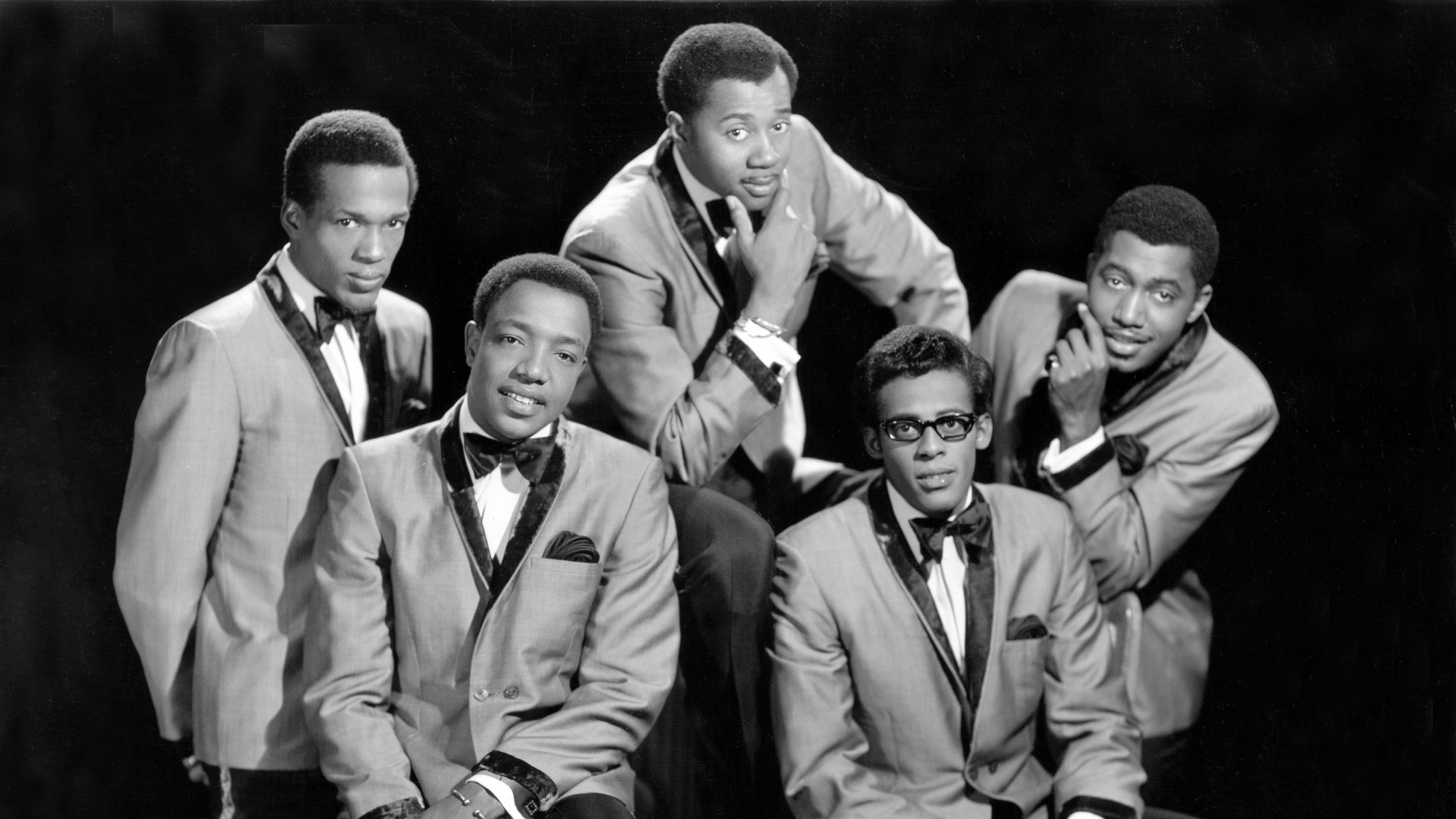
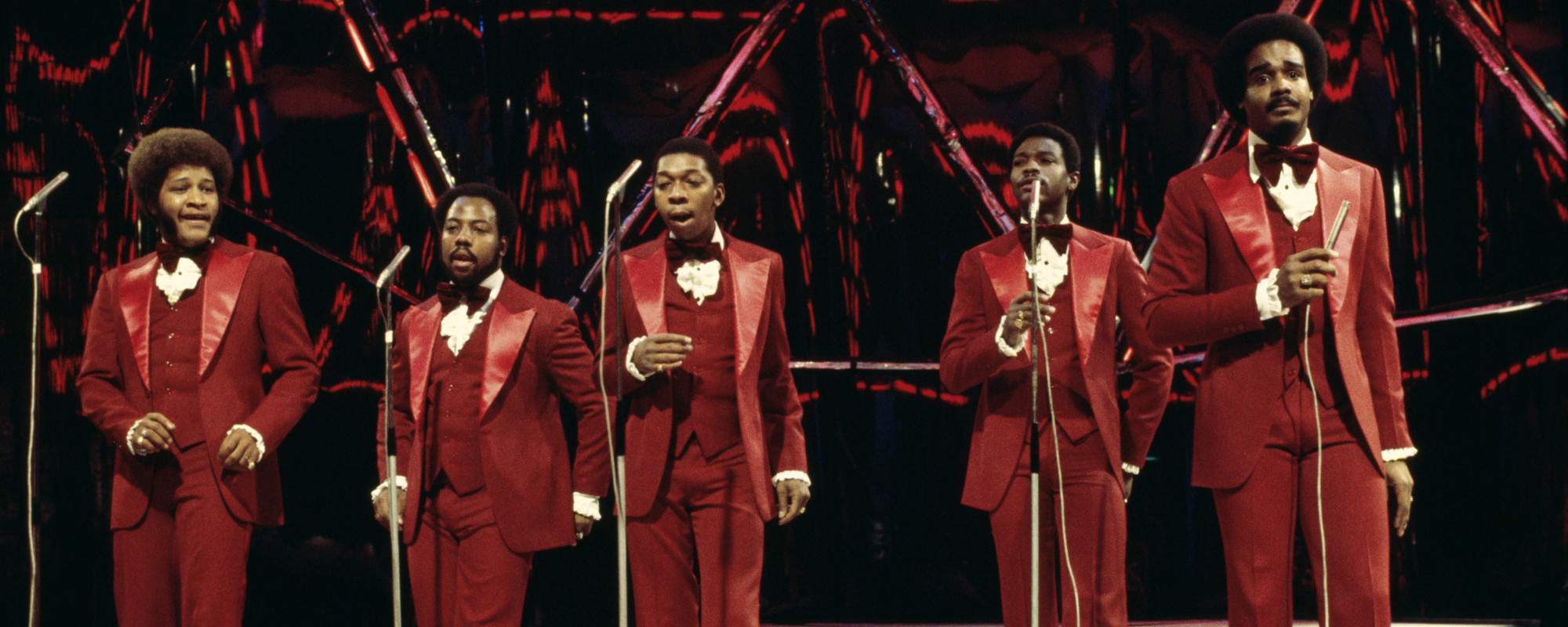
Many bands look back on their first single with a bit of embarrassment. The Commodores, however, had no reason to regret their initial release. That song became an immediate Top 40 hit, and it has enjoyed an impressive shelf life.
Videos by American Songwriter
That said, the song doesn’t really represent what most people envision when they think of the band. It was the first of many hits for them, even if it proved to be quite uncharacteristic of the others.
From College to Motown
The Tuskegee Institute (known these days as Tuskegee University) has produced many luminaries over the years. Music fans likely focus on the college as the starting point for The Commodores, one of the most successful R&B groups of the 70s and 80s.
Two different groups at the school joined up to form the band. Once they made it out of Alabama and started touring, they caught the attention of Motown Records. At the height of a boom in funk and soul music, they released their debut album in 1974.
At the time, vocals for the band were shared somewhat evenly between keyboardist Lionel Richie and drummer Walter Orange. The band focused mostly on the funkier, harder-edged side of soul music on their debut, eschewing ballads. And they introduced themselves to the world with an instrumental.
Welcome to the “Machine”
Milan Williams played both keyboards and guitars for The Commodores. He wrote the song “Machine Gun” with the idea that someone would add lyrics to it. But as the band got into the track, they decided it was better left as is. The record company liked it too, choosing it as the first single.
Williams also made the biggest impact on the recording of “Machine Gun” with his clavinet part. Bassist Ronald LaPread and drummer Walter Orange kept things funky on the bottom end. Lionel Richie added some rapid-fire synths, the sound of which could account for the song’s title.
“Machine Gun” gave The Commodores a hit right off the bat, landing at No. 22 on the US pop chart. Since its debut, it’s been used in countless television shows and movies. And if the little breakdown with watery guitar in between the main sections sounds familiar, it’s because you heard it sampled by The Beastie Boys in their 1989 hit “Hey Ladies”.
Changing Tune
The only problem with “Machine Gun” is that The Commodores didn’t see themselves as an instrumental-only band. They quickly followed the song up as a single with “I Feel Sanctified”. It opens with three-part vocal harmonies to remove any doubt of their abilities in that department.
Where this story really takes a turn is when The Commodores reached their commercial pinnacle. A few albums into their career, the band began relying heavily on soft ballads written and sung by Lionel Richie. Songs like “Easy” and “Three Times A Lady” defined the band for many people.
Those people might be a bit surprised when they hear “Machine Gun”. Or they might have even heard the song somewhere and not even realized The Commodores were behind it. In any case, it’s an exhilarating track, unrepresentative as it might be.
Songfacts: Machine Gun | Commodores
In 1979, original Commodore William King told Blues & Soul magazine about this song. Said King: “It was going to be called ‘The Ram.’ It was written by Milan (Williams, their keyboard player) – he’s such a gifted person! He actually wrote it for lyrics but Carmichael said how everybody was getting across with synthesizer instrumentals and that maybe we should try something different in that vein with this one. That whole idea and sound came from James Carmichael. And he turned out to be a home boy from Decatur, Alabama! Anyway, we just clicked and he has been our co-producer ever since and will probably always be. We really hadn’t planned for ‘Machine Gun’ to be our first release, either. It was big in Europe, in Asia, in the United States, Africa and South America. But it hadn’t taken our name with it. Everybody knew ‘Machine Gun’ but they didn’t know the Commodores. That was because it was an instrumental. Anyway, since it had not carried the Commodores, we made up our minds that the next release would have lyrics to it. So, we did ‘I Feel Sanctified’ next. We wanted something with a strong groove.”

Photo by Shutterstock
Leave a Reply
Only members can comment. Become a member. Already a member? Log in.