Your cart is currently empty!



Phil Collins Once Called These Heavy Rock Pioneers “Sulphurous” and Trailed by “Bad Karma,” Something the Band All but Confirmed
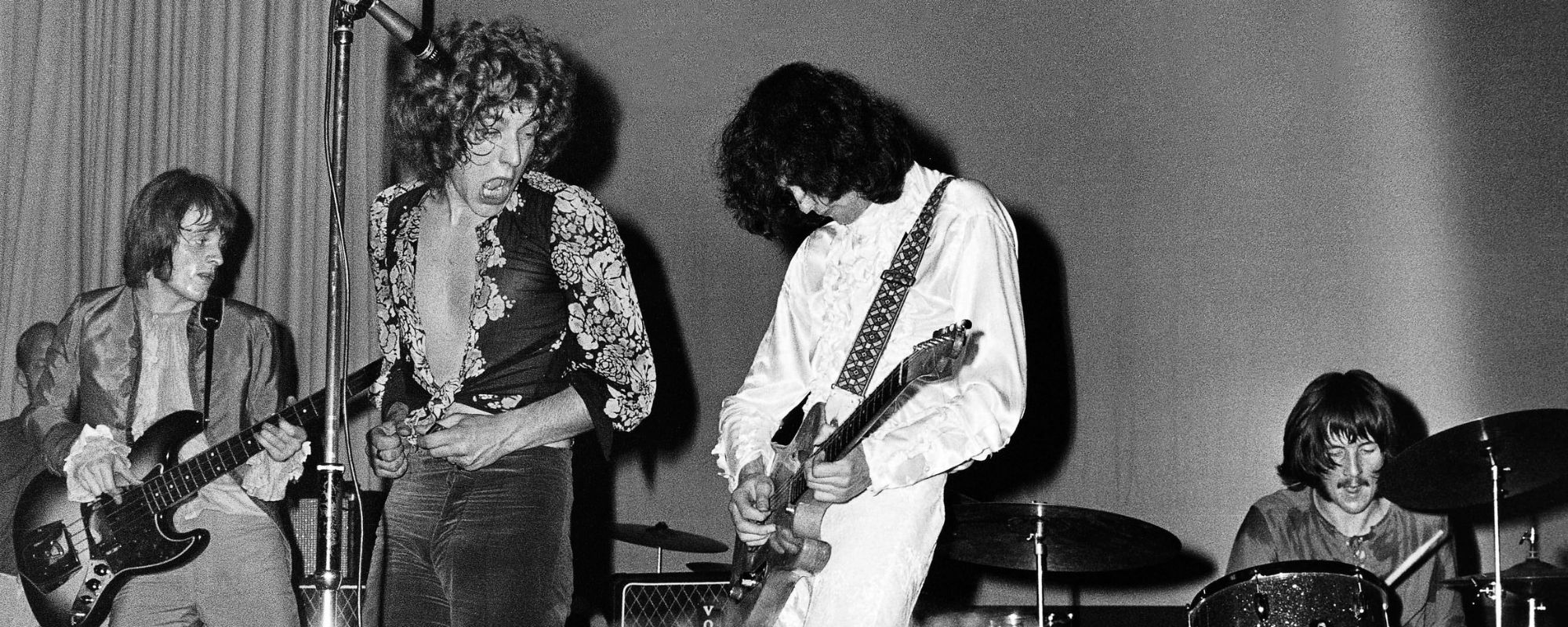
Hedonism and the music industry going hand in hand is hardly a novel discovery. Creativity has an inherent otherworldliness, which has always closely linked all art forms to whispers of the paranormal, the divine, or the evil. These associations were especially strong in the late 1960s and 70s, as drug culture grew stronger, norms were challenged, and societal, creative, and technological boundaries were pushed. Swirling around in that tumultuous, indulgent mix were bands like heavy rock pioneers Led Zeppelin.
Videos by American Songwriter
The British rock ‘n’ rollers undoubtedly shaped the genre as we know it today, but their influence was not wholly positive. From problematic, predatory behaviors to dangerous drug addictions to violent outbursts against people and property, the members of Led Zeppelin were no strangers to the darker side of the “sex, drugs, and rock ‘n’ roll” lifestyle. And indeed, the musicians around them could see it, too. Speaking to The Telegraph in 2016, Genesis founder Phil Collins once remarked on the energy that seemed to follow the band.
“When Zeppelin get together, something bad happens. Bad karma. Anything to do with Zeppelin: a strange chemistry happens. It’s like a nasty strain of alchemy. Everything becomes very dark. Sulphurous even.”
Led Zeppelin Would Later Distance Themselves From This Sybaritism
For the sake of brevity, we won’t dive into the deep, sordid history of Led Zeppelin and their associates, including the infamous “mud shark” rumor. Nor will we examine the troubling dynamics between rock stars of this era and underage groupies. Led Zeppelin certainly wasn’t the only band engaging in this kind of destructive behavior. And for some members of the band, that ruination quickly turned inward, like in the case of drummer John Bonham.
After he died of an alcohol overdose in 1980, Led Zeppelin ceased to exist in its original form. Save for a couple of shaky reunions—of which Phil Collins was a part, meaning his comments about the band were from firsthand experience—the band was effectively over. And as more time passed between their rough-and-rowdy years in the 1970s, the musicians became more tight-lipped about their antics and behaviors.
The Telegraph’s chief music critic, Neil McCormick, recalled asking the surviving members of Led Zeppelin about this particular time in their lives, and he described them as “erudite, civilized, and agreeable” but “uncomfortable” with some aspects of their past. Robert Plant told him, “There was excess. But it went very quickly, now I think. There was a lot of sobering stuff as well.” Jimmy Page was even more curt, saying, “There’s a lot of water under the bridge for everyone who survived that era. End of story.”
Photo by Christian Rose/Roger Viollet via Getty Images






Leave a Reply
Only members can comment. Become a member. Already a member? Log in.