Your cart is currently empty!



I Spent 48 Hours Listening Only to 1970s Outlaw Country—Here’s What I Rediscovered
Sometimes listening to a couple of songs turns into a full-fledged trip down a musical rabbit hole. That’s what happened to me earlier this week when I pulled up Ol’ Waylon. Originally, I wanted to hear his version of “Sweet Caroline.” The next thing I knew, I was knee-deep in outlaw country from the early 1970s. I have no regrets.
Videos by American Songwriter
A few years ago, 1970s country music made up the majority of my daily listening, and most of that was from outlaw artists. While I’m no longer jamming to Jerry Jeff Walker deep cuts regularly, I never really lost my love for tunes from the era. After coming out of a two-day accidental deep-dive into the world of armadillos and outlaws, I remembered why that music had such a chokehold on me for so long.
[RELATED: 4 Revered Outlaw Country Legends Who Never Had a No. 1 Hit]
Dan “Bee” Spears’ Bass Playing
When people discuss the musicians behind the outlaw country boom of the 1970s, a handful of names almost always come up. Guys like Ralph Mooney, Paul English, Richie Albright, and Mickey Raphael all rightfully get heavily discussed. One musician that I feel gets overlooked all too often, though, is the late, great Dan “Bee” Spears.
Spears joined Willie Nelson’s band in the late 1960s. As a result, he played on some of his most iconic releases. He also contributed some work to Waylon Jennings’ Honky Tonk Heroes. His work on the album’s title track is part of what made me keep the LP on repeat for so long. There’s something about his tone and where he sits in the mix that scratches an itch in my brain I didn’t know I had.
Viva Terlingua
There’s a reason that Viva Terlingua remains Jerry Jeff Walker’s most popular full-length. Recorded live at the Luckenbach Dancehall with an early iteration of the Lost Gonzo Band, it’s a snapshot of the growing outlaw country movement of the early 1970s.
The blend of country, rock, and Tejano in the arrangements and Walker’s songwriting perfectly captures the freedom and creativity at the heart of the movement. He proves himself to be an expert interpreter of others’ work as well. His covers of Guy Clark’s “Desperados Waiting for a Train” and Ray Wylie Hubbard’s “Up Against the Wall, Redneck Mother” are album highlights. Additionally, the record features Gary P. Nunn singing lead on “London Homesick Blues,” which he wrote.
Kris Kristofferson
We all know that Kris Kristofferson was a killer songwriter. Outlaw country just wouldn’t have been the same without his work in the early 1970s. “Me and Bobby McGee,” “Help Me Make It Through the Night,” “For the Good Times,” and “Sunday Morning Comin’ Down” are all classics that have been covered by long lists of legends. Most country music fans can agree on that. But, when was the last time you put on a Kristofferson album and just let it play? The guy simply doesn’t get enough love.
Just listen to songs like “To Beat the Devil,” “The Law Is for the Protection of the People,” or “Darby’s Castle” from his debut album. Or dig into his third album, Border Lord. He had years to hone the songs on his first two releases and a handful of months to write material for the third. At the time, critics gave it a lukewarm reception at best. In retrospect, though, we’ve come to realize that even a rushed Kristofferson album is a masterpiece.
The Spirit of 1970s Outlaw Country
The main thing I rediscovered while down this musical rabbit hole was the spirit of 1970s outlaw country. While sonic similarities are necessary for a sub-genre, there is no real outlaw country sound. Compare Waylon’s Honky Tonk Heroes to Willie’s Red Headed Stranger or the above-mentioned Viva Terlingua. They’re incredibly different, but still sit comfortably under the outlaw umbrella.
The spirit of outlaw country was freedom of expression. Waylon Jennings, who we can all agree was an authority on the topic, explained what “outlaw” meant in his 1996 autobiography: “To us, ‘outlaw’ meant standing up for your rights, your own way of doing things.”
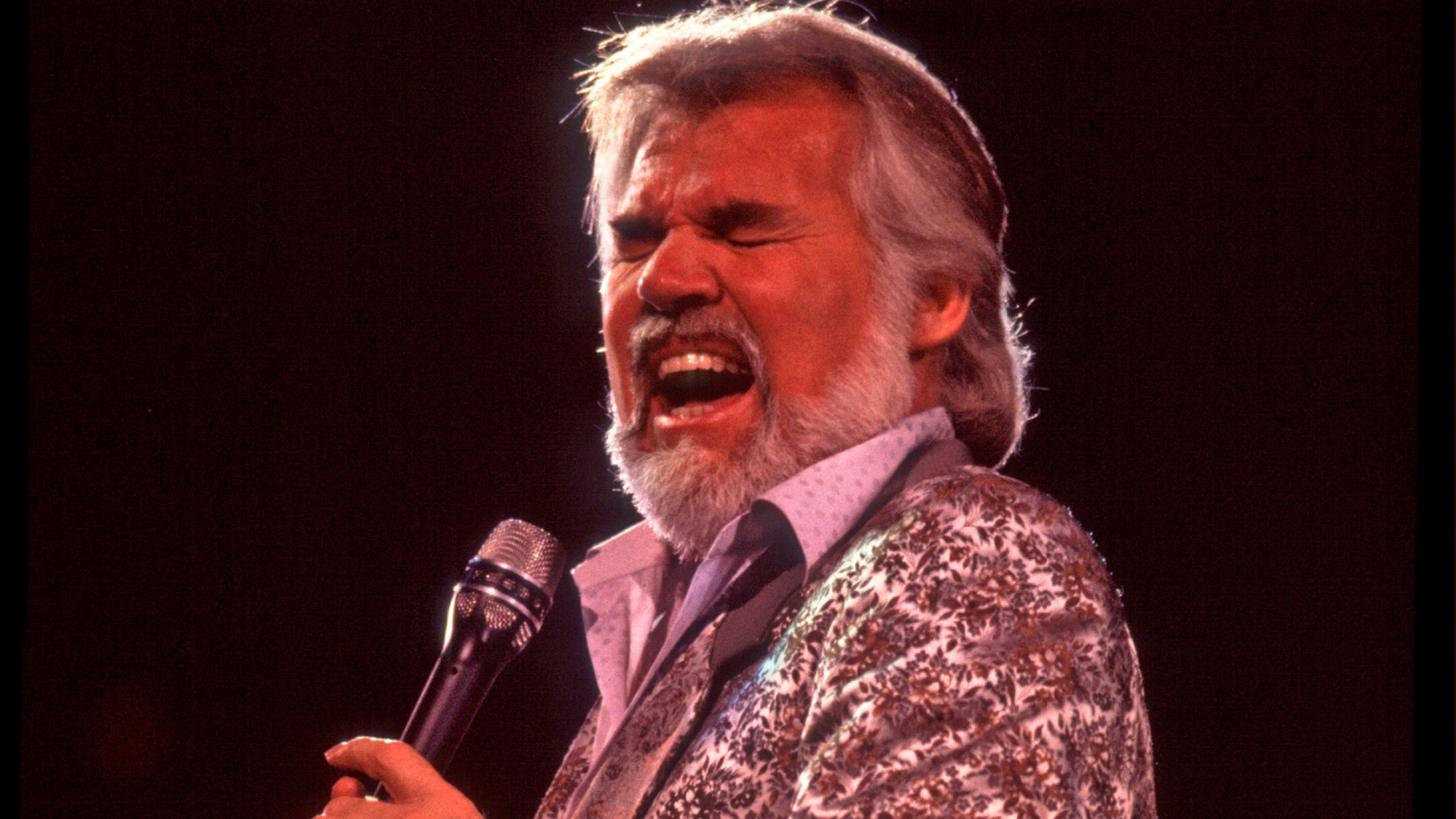
Featured Image by Michael Putland/Getty Images
Leave a Reply
Only members can comment. Become a member. Already a member? Log in.