Your cart is currently empty!


Remember When a Live Record Helped Bob Seger “Turn the Page” From Obscurity to Stardom in 1976?
Bob Seger established himself as one of the torchbearers for heartland rock over the course of his career. And he became mighty successful in the process as a fixture on both the singles and album charts in the 70s and 80s.
Videos by American Songwriter
But many forget that Seger dealt with a long stretch of obscurity, at least outside his native Michigan. Interestingly enough, it was a live album recorded in his home state that helped get the ball rolling for him around the country.
Local Hero
Bob Seger had to scrape and claw for the massive success that came to him with regularity once he reached the age of 30. His professional career began all the way back in 1961, when he was part of a band called The Decibels that recorded a single.
He bounced around to different Midwestern bands throughout the 60s, forgotten units like Doug Brown & The Omens, The Beach Bums, and The Last Herd. Recording with a group known as The Bob Seger System, he churned out a Top 40 hit single in 1968 with the song “Ramblin’, Gamblin’ Man”, which seemed like it could be a breakthrough on a national level.
Instead, he released two more albums with the System and five solo albums between 1969 and 1975. None of them reached any higher than 131 on the American LP chart. He kept his career going through constant touring in the Midwest. Those live shows ended up paying off in a big way.
At Long Last ‘Live’
By 1975, Seger had assembled a backing group called The Silver Bullet Band, who matched the singer’s consistent intensity in concert. Punch Andrews, Seger’s manager, suggested recording a live album to hold his local fans over until songs could be written for the next studio album.
Seger didn’t love the idea when it was first proposed to him. He felt that there was a glut of live albums on the market around that time and that the strategy was more of a holding pattern move. But since he was struggling to write the material for the next LP, he relented.
Recording equipment was in place for shows on September 4 and 5, 1975, at Detroit’s Cobo Hall, popular stomping grounds for the Silver Bullet Band. Seger and company tore through the shows with a mix of songs from his recent albums and well-chosen cover material, delivering enough good stuff for a double LP. The title: Live Bullet.
‘Bullet’ Points
Released in April 1976, Live Bullet earned Seger excellent reviews, which helped bring curious fans to the table. It also helped that live versions of songs like “Beautiful Loser” and “Turn The Page” started to sneak into AOR markets outside the Midwest. The double album hit the Top 40, by far the best ever result for Seger to that point.
And the timing was ideal. While the album was gaining traction, Seger was recording Night Moves. The success of Live Bullet meant that folks were anxious to hear what he did next, which just happened to be a masterpiece of an album.
Would Seger have succeeded at the same level without Live Bullet opening the doors? It’s hard to say. But regardless of its impact on his career, it now stands as one of the finest live albums ever, in part because you can hear the excitement of a local audience that already knew what the rest of the world was about to discover.
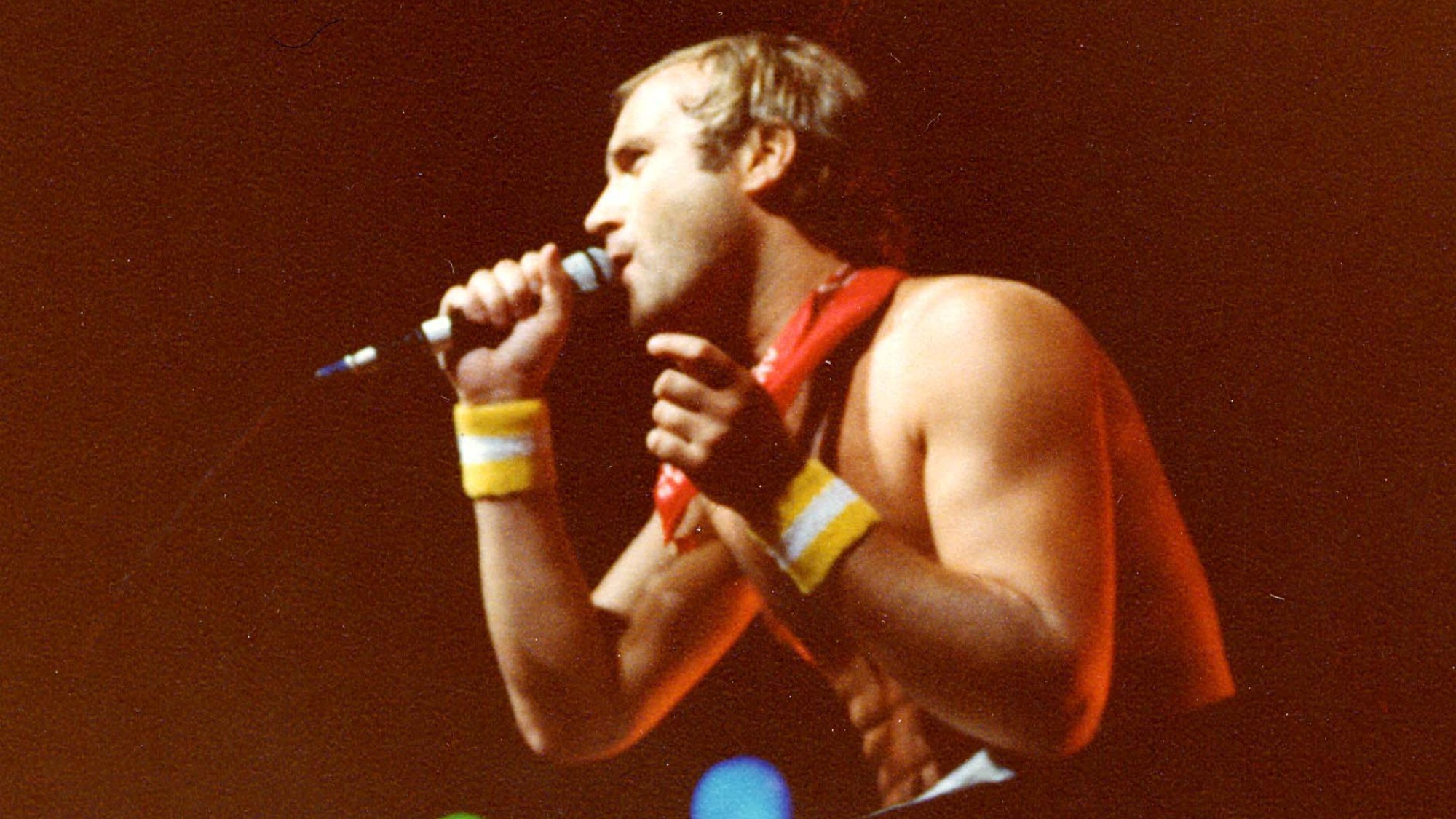
Photo by Brian McLaughlin/Michael Ochs Archives/Getty Images
Leave a Reply
Only members can comment. Become a member. Already a member? Log in.