Your cart is currently empty!



Lionel Richie’s Last Top 40 Hit Came on the Heels of a Long Layoff
You can’t write the history of 80s music without heavily including Lionel Richie. He effortlessly crossed over again and again from his R&B roots to the pop charts with a series of lush ballads and feel-good dance tracks.
Videos by American Songwriter
And then, he up and disappeared, at least in terms of releasing new music. He resurfaced after a quiet decade with a minor hit single, his last ever song to reach the US Top 40.
Richie’s Ride
Lionel Richie subtly made the transformation from leader of The Commodores to a solo career at the beginning of the 80s. The first test balloon was “Endless Love”, the soundtrack duet he did with Diana Ross in 1981. Calling it a good start would be an understatement, as the song was a runaway No. 1 hit.
In 1982, Richie, while still technically a member of The Commodores, released a self-titled debut album. After three songs from that album reached the Top 5, he realized there was no turning back. He announced that he was permanently leaving The Commodores shortly after the album arrived.
Richie kept rolling right along. Counting the solo debut and “Endless Love”, he managed a streak of 13 consecutive Top 10 hits from 1981 through 1986, with at least one song reaching those heights in each of those years. And he also found time to spearhead the “We Are The World” single in 1985 for good measure.
Can Slow Down
Needless to say, the demands on him as an artist became a bit overwhelming. Still, nobody could have foreseen that the Dancing On The Ceiling album, released in 1986, would be his last new full album of new material for a decade. (Richie did release the compilation Back To Front in 1992, and “Do It To Me”, a new song that he recorded for that event, made No. 21 that year.)
Why did Richie take such an elongated hiatus? As mentioned, he simply felt stretched a little thin after all the non-stop success, which reached back for more than a decade when you include the work with The Commodores.
On top of that, personal issues started to pop up. Details emerged about the rough ending of his first marriage. He suffered some tough losses in his life, most notably the death of his father. Record-company squabbles entered the picture. And Richie couldn’t find much inspiration to write.
“Lose” Yourself
In 1996, Lionel Richie finally decided to get back in the game from the standpoint of his musical career. In interviews, he talked about wanting to get back to work to provide an example for his children. And he also found his songwriting mojo again.
That said, Richie relied on the help of outside writers more than ever before on the album Louder Than Words. The lead single, “Don’t Wanna Lose You”, was a collaboration with legendary writer-producers Jimmy Jam and Terry Lewis.
“Don’t Wanna Lose You”, which combined some Philly Soul vibes with the tender balladry of his Commodore years, squeaked to No. 39 on the pop charts in 1989. That comeback also turned out to be a last hurrah of sorts. Richie never again scaled those heights on the pop charts.
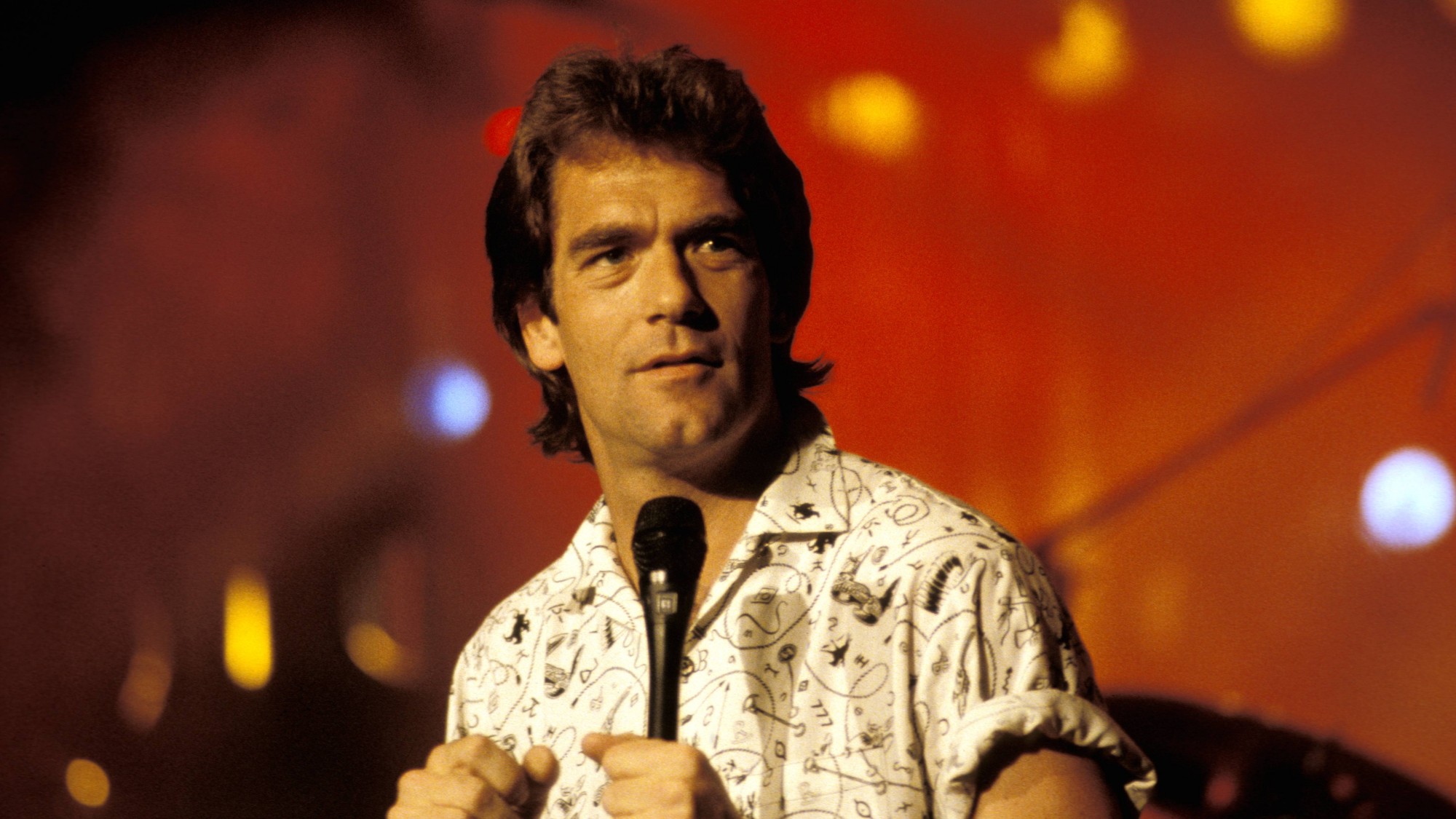
Photo by Scott Dudelson/Getty Images


Leave a Reply
Only members can comment. Become a member. Already a member? Log in.