Your cart is currently empty!


Live Nation Settles Antitrust Fight With the Department of Justice
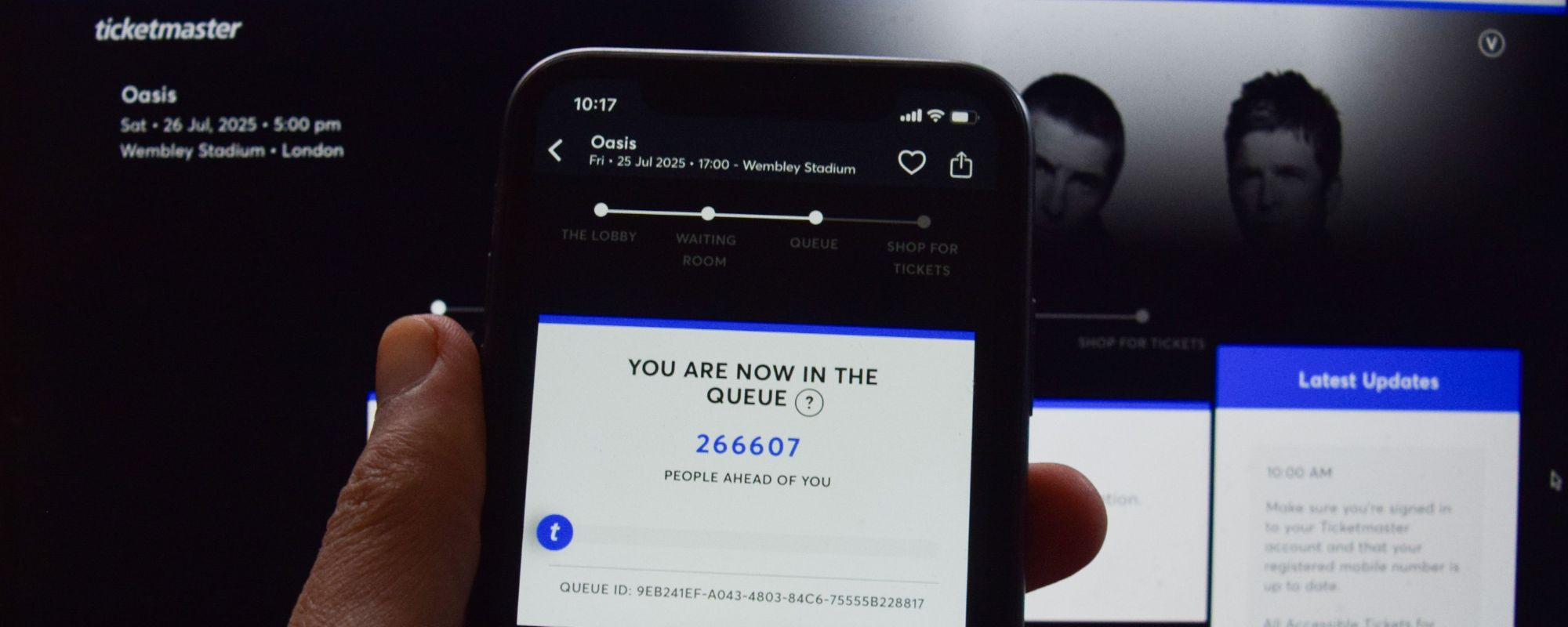
For any fan who purchased a ticket to a concert, they definitely know Ticketmaster. Appearing to have a monopoly over the music industry, Live Nation, which owns Ticketmaster, seemed to expand its control over live events. But that changed in May 2024, when dozens of state attorneys decided to sue Live Nation over operating an illegal monopoly. With the government accusing the company of predatory tactics, the Department of Justice and Live Nation came to an agreement.
Videos by American Songwriter
The trial between the DOJ and Live Nation started just last week. But that is all it took for the two parties to come to an agreement. With an announcement expected to happen on Monday, the deal will require Live Nation to pay a staggering $200 million in damages to the states that first filed the lawsuit.
That wasn’t all. Aside from the fines, Live Nation will also open Ticketmaster to rival companies like SeatGeek and Eventbrite. Now able to list their tickets directly through Ticketmaster’s platform, one individual stated, “This will revolutionize the ticketing marketplace. These are innovative technological solutions to a very difficult problem of prying open the marketplace.”
[RELATED: Ticketmaster to Make Policy Changes After FTC Lawsuit]
The Future Of Live Nation And Ticketmaster Comes With Limits
Another concern from the DOJ came when claiming that Live Nation had control of nearly 78% of the major amphitheaters. Having the ability to dictate ticketing, promotions, and venues, the DOJ insisted that the company’s actions harmed both the artists and fans.
The DOJ didn’t stop there. Continuing to break the massive hold Live Nation had on the music industry, the settlement forced Ticketmaster to cap its venue fees. With fans constantly complaining about the added fees on a ticket that already costs hundreds of dollars, the DOJ set a maximum limit of 15% of the original price.
The decision comes months after Olivia Dunn criticized Ticketmaster and AXS after resale tickets to her concert soared over 14 times the original asking price. Calling the companies “vile”, the singer was able to negotiate a partial refund for fans.
Whether the settlement truly changes the ticketing landscape remains to be seen, but for now, the DOJ’s action sends a clear message that even the biggest players. And with DOJ forcing new limits and opening the platform to competitors, the settlement could signal a turning point for the live music industry and how tickets are sold in the future.
(Photo by Jonathan Raa/NurPhoto via Getty Images)










Leave a Reply
Only members can comment. Become a member. Already a member? Log in.