
Some remember July 12, 1979 as the night a riot broke out during a White Sox vs. Tigers game, forcing the Sox to forfeit. Most remember it as the day disco died.
Enter Disco Demolition Night. On this day in 1979, a unique promotion was used to pull in crowds to a baseball game between the Chicago White Sox and the Detroit Tigers. The promotion was named “Disco Demolition Night” and capitalized on the growing anger against disco music by rock and roll fans across the United States. The promotion involved filling a dumpster full of disco records and blowing it up.
Videos by American Songwriter
Naturally, most of the people there were not interested in the baseball game. They wanted to see the records get blasted. It also wasn’t just a “my music is better than yours” situation. The hatred towards disco at the time is often speculated to be racist and homophobic in nature. That factor was likely what caused the resulting riot that “ended” the era of disco in the 1970s.
The Fateful Night That Ended Disco
Around 20,000 people were expected to be at the game. Instead, around 50,000 people showed up. More people snuck into the game after the gates were closed, putting the stands at max capacity.
It started with people throwing disco records into the field from the stands. Then, the planned explosion occurred. The result was a massive riot of people who stormed the field and refused to leave until riot police showed up.
Part of the reason why the resulting riot was believed to be racially motivated in nature came down to the fact that many individuals in the crowd brought soul and funk records to destroy and toss around, rather than just disco records.
To this day, the promotion is considered one of the most egregious promotions in Major League Baseball history. While the event isn’t responsible for completely “ending” the era of disco, it was an event that marked the end of that particular era. Disco became less and less marketable, eventually fizzling out in favor of new genres in the 1980s.
Thankfully, disco has been immortalized on the internet. There are also a number of musicians today who are keeping the genre alive, too.
Photo by Norfolk/Daycastle/Kobal/Shutterstock
When you purchase through links on our site, we may earn an affiliate commission.
More Features
-
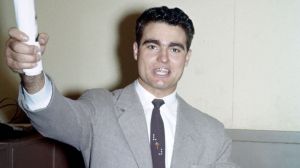
UNSPECIFIED – JANUARY 01: Photo of Le Roy Van Dyke (Photo by Michael Ochs Archives/Getty Images) -
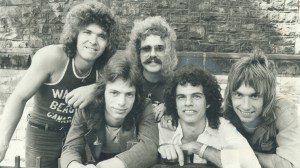
Vancouver-based. Chilliwack – from left; Brain MacLeod; Ab Bryant; Skip Layton; Bill Henderson and Jamie Bowers – were described as taking rock 'n' roll where it's goig back in the San Francisco rock explosion of 1967. but they fizzled because they didn't tour to push record sales. They aren't making that mistake again. -
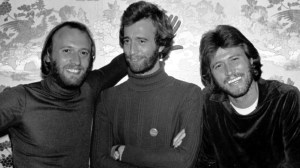
Maurice Gibb, Robin Gibb, Barry Gibb of the Bee Gees in New York City, New York (Photo by Bobby Bank/WireImage) -
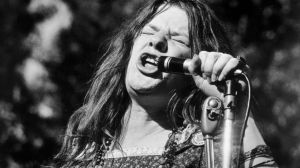
Rock music legend Janis Joplin performs at the free Woodstock Music and Art Fair. The festival took place on Max Yasgur's dairy farm, which he rented to event organizers for $75,000. About 450,000 people attended the three day concert, which turned into chaos due to the crowds, heavy rains, and traffic jams. It is nonetheless romantically remembered as a symbol of the liberal spirit of the hippie generation. (Photo by Henry Diltz/Corbis via Getty Images) -
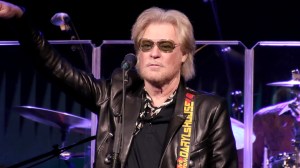
ATLANTIC CITY, NJ – AUGUST 30: Daryl Hall of Hall & Oates performs in concert at Etess Arena on August 30, 2019 in Atlantic City, New Jersey. (Photo by Donald Kravitz/Getty Images) -
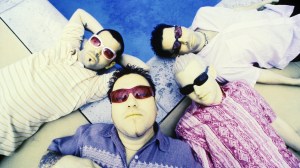
LOS ANGELES – MAY 1999: (EDITORS NOTE: THIS IMAGE WAS CREATED USING COLOR INFRARED FILM) American rock band Smash Mouth (L – R) drummer Kevin Coleman, vocalist Steven Harwell, guitarist Greg Camp and bassist Paul De Lisle pose for a May 1999 portrait in Los Angeles, California. (Photo by Bob Berg/Getty Images) -
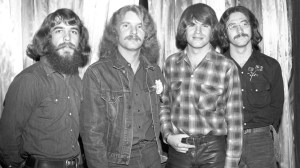
Left to right: Doug Clifford, Tom Fogerty, John Fogerty and Stu Cook of American rock group, Creedence Clearwater Revival, in New York City, 1970. (Photo by PoPsie Randolph/Michael Ochs Archives/Getty Images) -
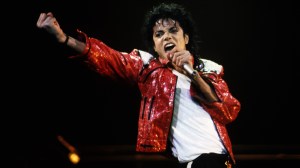
Photo by Kevin Mazur/WireImage