Your cart is currently empty!



On This Day in 1963, One of the Most Influential Women in Country Music’s Life Was Cut Short by a Tragic Plane Crash
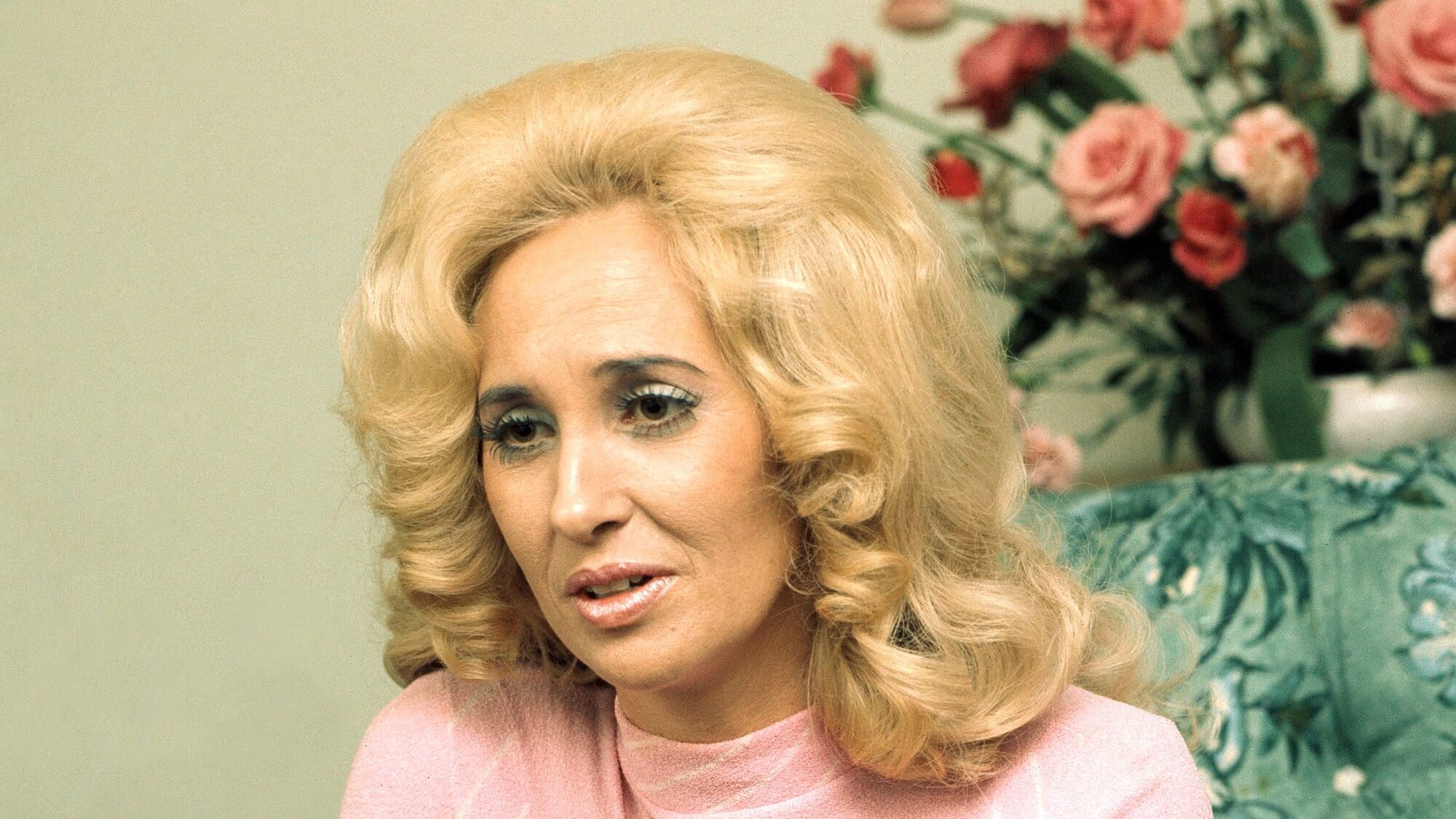
On this day (March 5) in 1963, Patsy Cline died when a small plane she was in went down near Camden, Tennessee. Country singers Cowboy Copas and Hawkshaw Hawkins, as well as pilot Randy Hughes, also lost their lives in the crash. Her all-too-short career left an immeasurable impact on the country music world, inspiring generations of future artists.
Videos by American Songwriter
Cline made her recording debut in 1955. She found an early hit with “Walkin’ After Midnight” the next year. However, it would be five years before she released another single that reached the charts. “I Fall to Pieces” became her first country No. 1 in 1961 and marked the beginning of a new era for the Virginia-born singer. She was on track to take her place among the genre’s A-listers when she died.
Interestingly, her newfound success seemingly contributed to her untimely end. The fatal plane crash took place when Cline, Copas, and Hawkins were flying back to Nashville from Kansas City. They, along with George Jones, Dottie West, and a handful of other Grand Ole Opry members, performed a benefit show to raise money for the family of Cactus Jack, a radio DJ who had recently died in a car accident. Cline wasn’t initially on the bill. However, tickets for the event weren’t selling as well as the promoters had hoped. As a result, they asked her to join the lineup, knowing her recent hits would make her a big draw.
Patsy Cline’s Prophetic Words
Patsy Cline, Hawkshaw Hawkins, and Cowboy Copas were initially slated to fly back to Nashville on March 4, the day after the benefit concert. However, the weather was bad. As a result, they chose to spend another night in Kansas City and fly out on March 5.
Dottie West and her husband were going to make the eight-hour drive back to Nashville. With plenty of room in the car, West invited Cline to ride with them. She declined. “Don’t worry about me, Hoss,” she told West. “When it’s my time to go, it’s my time.”
According to author Larry Jordan (Jim Reeves: His Untold Story), Cline had recently written her will and had been giving away her possessions. A week before the plane crash, she told Ray Walker of the Jordanaires, “Honey, I’ve had two bad [accidents]. The third one will either be a charm, or it’ll kill me.”
Hubris and Bad Weather Led to Tragedy
They boarded the small Piper Comanche plane owned by Cline’s manager and amateur pilot Randy Hughes on the afternoon of March 5. At the time, Hughes had logged a little more than 44 flight hours in the plane. They flew to Rogers, Arkansas, where they landed to refuel. Fifteen minutes later, they were in the air again. Hughes landed again in Dyersburg, Tennessee, just after 5 PM. There, they had a quick meal in the airport restaurant before getting back on the plane.
Hughes was only qualified to fly under Visual Flight Rules (VFR), which means he was only supposed to fly in clear conditions when he could navigate visually, as opposed to navigating mostly with the plane’s instruments. William Braese, the airport manager, tried to convince Hughes to wait for better weather. However, he insisted that they would be fine.
The plane left the runway in Dyersburg at 6:07 PM. Less than an hour later, the plane went down in a forested area outside of Camden, Tennessee, approximately 80 miles away. When Cline’s watch was found the next day, it had stopped at 6:20. Multiple search parties looked for the wreckage throughout the night. However, it would not be found until just after 6 AM on March 6.
“As fast as I could, I ran through the woods screaming their names,” Roger Miller recalled. “I came over this little rise, oh, my God, there they were. It was ghastly.”
Featured Image by Michael Ochs Archives/Getty Images

Leave a Reply
Only members can comment. Become a member. Already a member? Log in.