Your cart is currently empty!



Why Merle Haggard Was “Scared” of the Story Behind His First No. 1 Hit, “I’m A Lonesome Fugitive”
Not every country singer who became famous for singing prison songs actually knows what it’s like to live behind bars. Even Johnny Cash, the gravelly baritone behind “Folsom Prison Blues”, only ever spent short stints in jail. Merle Haggard, however, was intimately familiar with this material, having spent much of his late childhood and early adulthood in and out of detention facilities.
Videos by American Songwriter
When the time came to release what would become his first No. 1 hit, “I’m A Lonesome Fugitive”, Haggard found himself under a tidal wave of emotions stemming from his time at San Quentin: fear, paranoia, sadness, regret. The country star might have physically left the four cold, gray walls of his prison cell. But in his mind, it sometimes felt like he never left.
Merle Haggard Went to Prison a Week Before Christmas in 1957
In December 1957, long before he was ever a country music star, Merle Haggard was staring down Christmas, broke, with an eight-month-old daughter. He had just spent almost a year in Ventura County Jail for grand theft auto and was in desperate need of cash. Haggard unsuccessfully tried to break into a nearby diner, Fred & Gene’s Café. When police arrested him the next morning, they found a stolen check protector machine hiding under the same blanket that was keeping his baby girl, Dana, warm. Police took him to Bakersfield Jail.
Haggard escaped Bakersfield Jail by sneaking out with some prisoners going to court. Just over one day later, police found Haggard once again. This time, they took him to San Quentin Prison, where the chance of escape was far, far less likely. Once he passed through the 70-foot walls of the detention facility, Haggard became Prisoner #A-45200 with a maximum 15-year sentence for attempted robbery and jail break. He would only serve a few years of his sentence, but even that was enough to change the future star forever.
Why “I’m a Lonesome Fugitive” Came From a Place of Fear
Merle Haggard’s experience in prison naturally lent itself to country music, of which prison songs were a large part. But reliving this harrowing time in his life took an emotional toll on the singer-songwriter, according to his musical partner and then-wife, Bonnie Owens. For example, when Haggard first heard “I’m a Lonesome Fugitive”, written by Liz and Casey Anderson, the song’s lyrics took that nagging, paranoid fear that was always in the back of Haggard’s mind and amplified it. Suddenly, Haggard wasn’t Haggard. He was 45200.
In the liner notes of the compilation album Down Every Road, Bonnie recalled a night when Haggard was in a particularly “dark mood.” “I said, ‘Is everything okay?’ And he said, ‘I’m really scared.’ And I said, ‘Why?’ He said, ‘Cause I’m afraid someday I’m gonna be out there, and there’s gonna be some convict, some prisoner that was in there the same time I was in, stand up—and they’re gonna be about third row down—and say, ‘What do you think you’re doing, 45200?’” In that way, Haggard really did feel like he was the “hunted fugitive” doomed to “be a rolling stone” with only the highway as his home.
“I guess I didn’t realize how much the experience at San Quentin did to him,” Bonnie reflected. “He never talked about it all that much.”
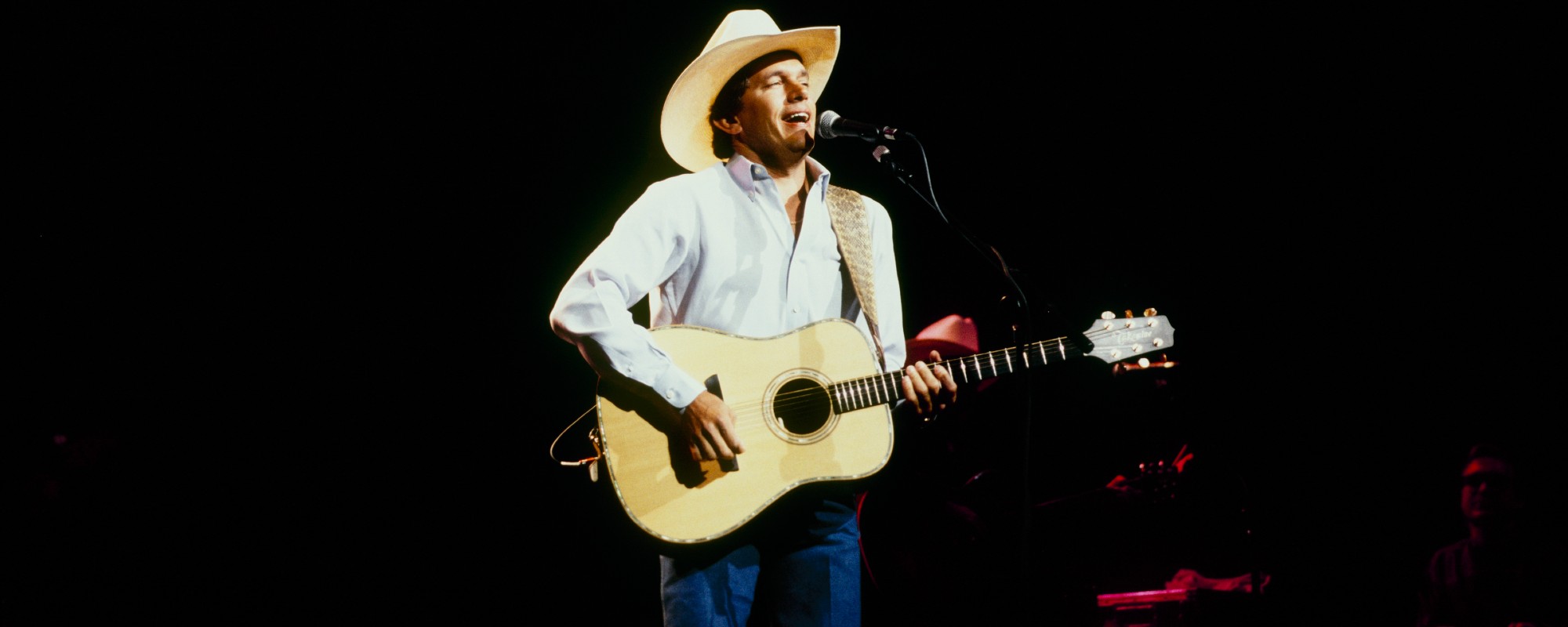
Photo by Michael Ochs Archives/Getty Images
Leave a Reply
Only members can comment. Become a member. Already a member? Log in.