Your cart is currently empty!



“What Happened?”: Joan Baez Once Called out a Record Label for Two Glaring Absences in Her Album Artwork
The beautification and hypersexualization of women in the music industry is nothing new and all-encompassing, affecting all genres, from the more obvious ones, like pop and rock ‘n’ roll, to the ones that would seemingly exist outside of these patriarchal conventions, like folk music. The latter genre has been pushing back against societal standards since its conception, serving as a soundtrack to social and political movements for decades.
Videos by American Songwriter
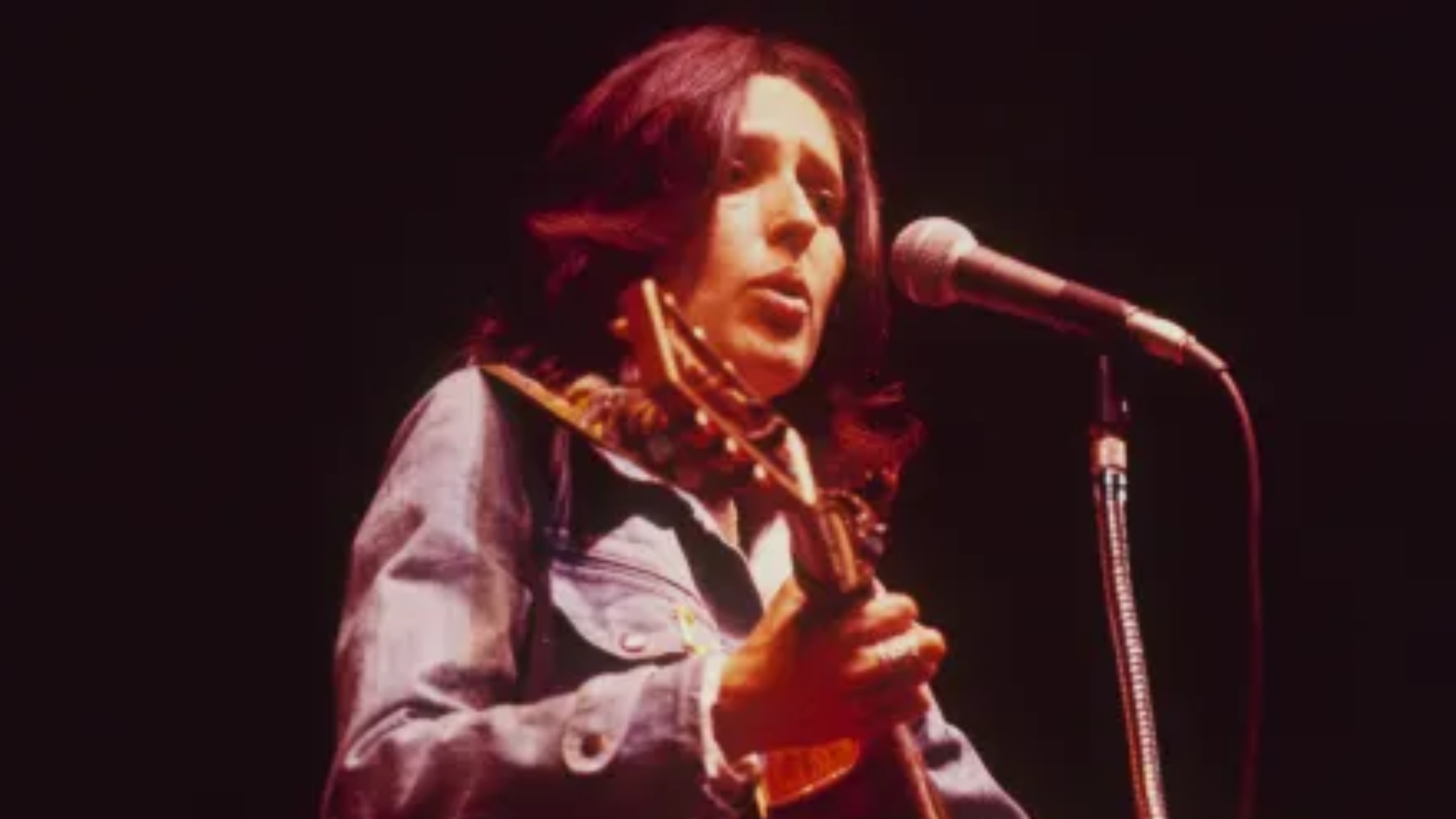
But just because you’re speaking out against society’s expectations doesn’t mean you’re immune from their influence, and that was also true of Joan Baez. Baez began her musical career largely within the context of political protest. She performed at the famous March on Washington of 1963 and participated in the Selma to Montgomery marches two years later.
In between these major historical events, Baez was actively releasing music. Mostly eponymous releases, these combinations of studio and live recordings were eventually distilled into her second compilation album, The First Ten Years. The album artwork features a striking side profile of a young Baez. But when the singer got the first mock-ups from Vanguard, something was off.
Joan Baez Had a Refreshing Response to This Album Artwork
Joan Baez is also a prolific painter, having done a series of portraits of notable public figures, including a self-portrait. The singer-songwriter used the photograph from the album artwork of The First Ten Years, shot by Jim Marshall. Baez wrote on her self-portrait listing, “Sometimes, my pictures feel like a different person. But this one feels like me.” The furrowed brow framed by dark, wavy hair seemed to capture a more resolute and determined version of Baez that other famous shots of her staring up at Bob Dylan didn’t.
Still, she noticed some unsavory differences between Marshall’s original photograph and the album artwork. “They showed me the cover and said, ‘How’s this?’ But there was no bump on my nose or bags under my eyes,” Baez recalled. “I said, ‘What happened?’ Put the bump back on my nose, and I earned those bags. I was really furious with them.”
Baez’s response to the beautification of her album artwork was a refreshing contrast to societal expectations that women need to be as conventionally attractive as possible to be successful. By refusing to put her name on something untrue to herself, Baez paved the way for other women to do the same thing. Unfortunately, this treatment of women in the music industry hasn’t gone away at the time of this writing. And frankly, this writer is not sure what it will look like to see these standards dissolve completely.
But we have a feeling that it starts with moments like this.
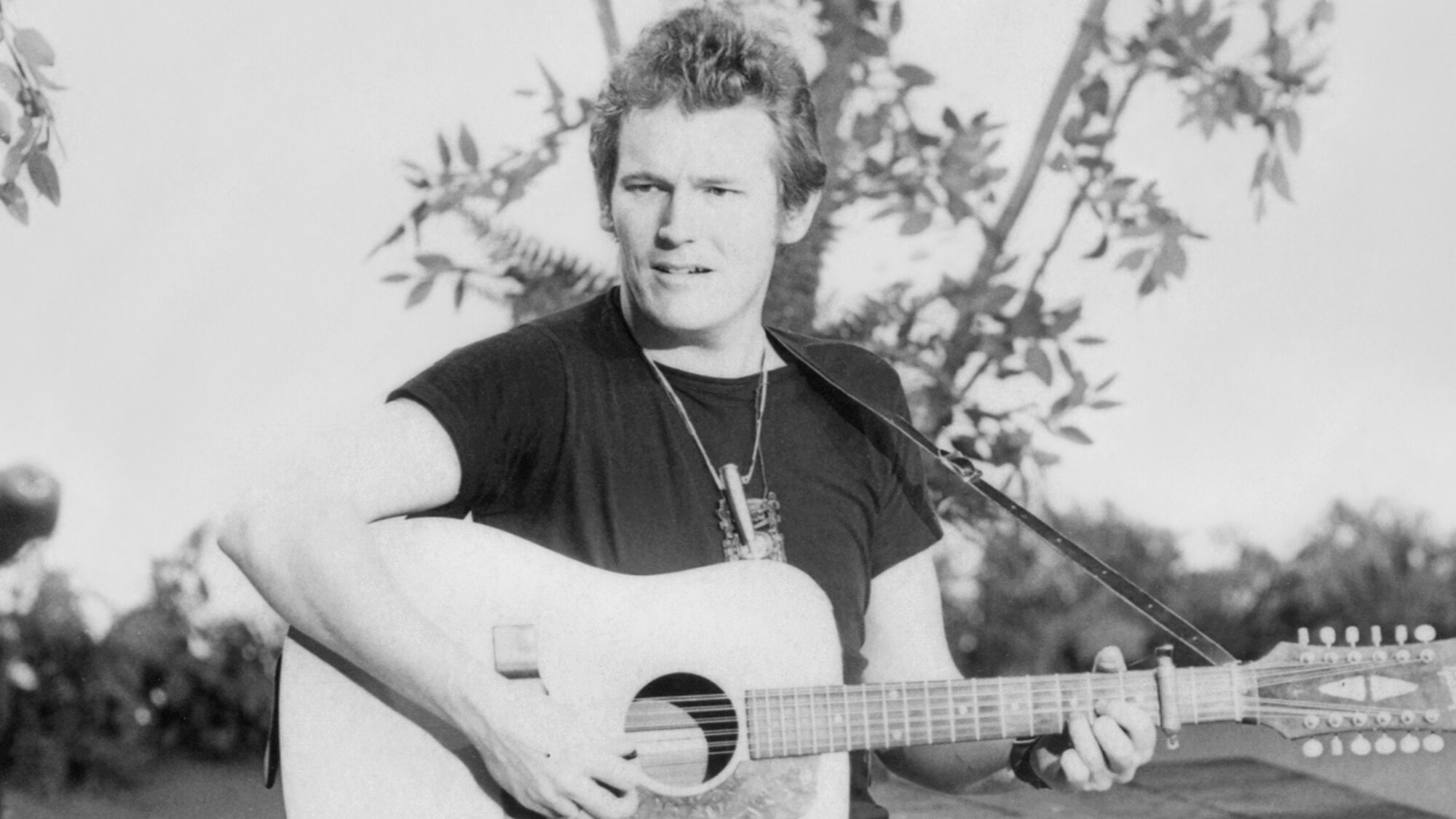
Photo by Michael Ochs Archives/Getty Images


Leave a Reply
Only members can comment. Become a member. Already a member? Log in.