If The Allman Brothers Band had opted never to get back in the studio after receiving the phone call that would change their lives forever on October 29, 1971, no one could reasonably blame them. Musicians had broken up bands for less before, and they wouldn’t have been the only ones in rock ‘n’ roll history to hang it up after losing a crucial player. But on February 12, 1972, the rock band from Jacksonville, Florida, powered through their grief to release Eat a Peach, a double album that served as the band’s third studio album and second live release.
Eat a Peach features classic tracks like “Blue Sky” and “Melissa”, written by Dickey Betts and Gregg Allman, respectively. The platinum-certified album peaked at No. 4 on the Billboard 200, making their comeback from the previous autumn all the more sweet. Making this commercial win especially sentimental was the fact that the album was, at its core, a tribute to Duane Allman, the founding member and de facto leader, who died in a horrific motorcycle accident three months earlier.
Videos by American Songwriter
“We were all putting more into it,” drummer Butch Trucks said, per Alan Paul’s One Way Out: The Inside History of the Allman Brothers Band. “Trying so hard to make it as good as it would have been with Duane. We knew our driving force, our soul, the guy that set us all on fire, wasn’t there, and we had to do something for him. That really gave everybody a lot of motivation. It was incredibly emotional.”
‘Eat a Peach’ Helped the Allman Brothers Band Heal in More Ways Than One
In late October 1971, Duane Allman clipped his motorcycle on a flatbed trailer and was thrown off his Harley-Davidson Sportster. The motorcycle landed on Allman and dragged him for 90 feet, resulting in tremendous internal injuries that ultimately took his life. The founding member of The Allman Brothers Band was only 24 years old and fresh off an extensive tour, making his death all the more devastating. With Gregg Allman suffering the loss of his brother and the rest of the band, the loss of a beloved colleague and leader, it wouldn’t have been unreasonable for the band to quit.
The Doors ultimately did the same after Jim Morrison’s death months earlier in July 1971. Led Zeppelin would follow a similar protocol nearly a decade later, after John Bonham died. Joy Division, Nirvana, and Soundgarden all eventually did the same. Still, there’s no real “right” way to respond to the death of a bandmate. And for The Allman Brothers Band, they decided that the best way to honor the legacy of their lost brother was to continue doing the thing he loved: making music.
In a professional sense, Eat a Peach was The Allman Brothers Band’s way of letting the public know they were still there, still working, and still creating. But on a deeper, more personal level, the album helped the band through their intense grieving process. “We all saw that playing music brought us out of the doldrums,” Gregg later wrote in My Cross to Bear. “We actually smiled a little bit. The music brought life back to us all, and it was simultaneously realized by every one of us. We found strength, vitality, newness, reason, and belonging as we worked on finishing Eat a Peach.”
Photo by Michael Ochs Archives/Getty Images
-
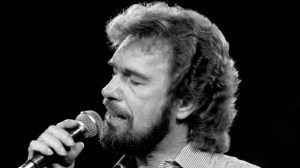
Gene Watson, who had several hits with Dallas Harms songs -
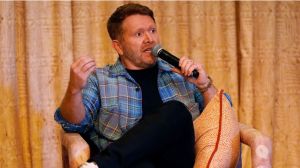
NASHVILLE, TENNESSEE – Shane McAnally speaks onstage during GLAAD's Pride & Progress Event at Soho House Nashville on June 05, 2026 in Nashville, Tennessee. (Photo by Erika Goldring/Getty Images for GLAAD) -
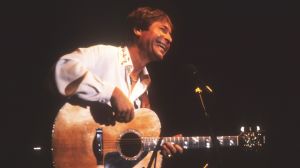
MINNEAPOLIS, MN – John Denver performs at the Northrup Auditorium in Minneapolis, Minnesota on October 5, 1991. (Photo by Jim Steinfeldt/Michael Ochs Archives/Getty Images) -

American country musician Garth Brooks performs onstage, Chicago, Illinois, October 1, 1993. (Photo by Paul Natkin/Getty Images) -
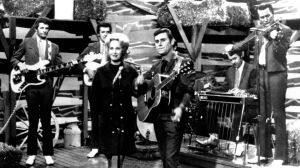
Tammy Wynette and George Jones Perform on stage with the Jones Boys in circa 1972. (Photo by Michael Ochs Archives/Getty Images) -
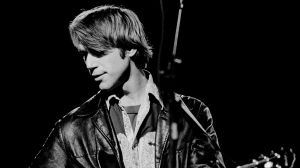
American Folk musician Todd Snider plays guitar as he performs onstage at Medinah Temple, Chicago, Illinois, November 27, 1997. (Photo by Paul Natkin/Getty Images)