Your cart is currently empty!



How Accordion Polka Helped Turn Neil Young’s “Southern Man” Into the Beloved Classic We Know Today
Neil Young has spent his decades-long career shifting in and out of hard-and-fast genre definitions. The Canadian singer-songwriter often blurs the edges between folk, rock, country, and grunge before it was grunge. But polka isn’t necessarily a musical style that comes to mind when thinking of the “Southern Man” singer.
Videos by American Songwriter
However, according to pianist Nils Lofgren, this particular After The Gold Rush track has more to do with polka than one might realize.
Nils Lofgren Traded in His Accordion for a Piano
Multi-instrumentalist Nils Lofgren moved to Scottsdale, Arizona, in the 1990s. Nearly three decades later, he was inducted into the Arizona Music and Entertainment Hall of Fame. Six years after that, Lofgren spoke with AMEHOF about his musical contributions to Neil Young’s “Southern Man”, which appeared on Young’s third album, After The Gold Rush, released in 1970.
According to Lofgren, Young and his band approached him about working on the song as a pianist. The musician was hesitant at first, saying he wasn’t much of a piano player. “That’s when David [Briggs] and Neil, who knew my history, pointed out to me, ‘Well, you’ve been playing accordion since you were five?’ ‘Yeah.’ ‘And you’ve won contests? Classical?’ ‘Yeah.’ ‘So, we need some simple piano parts, and we think you can handle it,’” Lofgren recalled.
The musician continued, “At that point, since I already told him I wasn’t a professional piano player, I realized I should shut up and say thank you.”
Adding Some “Oom-Pah” to “Southern Man”
Although Nils Lofgren was willing to accept the gig that Neil Young and producer David Briggs offered him, he wasn’t about to rest on his laurels. Lofgren was determined to get his parts for After The Gold Rush perfect, which often meant staying behind on lunch breaks to get a bit more practice in. One fateful day, drummer Ralph Molina stayed behind to jam with Lofgren while he was working on his part for “Southern Man”. The musicians played through the song at halftime, the same way the verses sound on the album today.
Then, Lofgren wanted to change things up. Having an accordion background, Lofgren had the oom-pah beat of polka music deeply ingrained in him. So, he decided to pick up the pace, turning the chord progression into a double-time feel. “When [the rest of the band] came back from lunch, we were in this roaring groove with that [double-time] feel,” Lofgren said. “David said, ‘What the hell’s that?’ And I said, ‘Well, that’s ‘Southern Man’ with a polka beat.’”
Everyone agreed that this new groove felt good. So, they opted to go into the uptempo feel during the guitar solo, leaving the verses to be the original halftime groove. The result was incredibly effective, adding energy and passion behind what would have otherwise been a pretty mellow track.
While it’s impossible to say whether the song would have been as beloved had it not had that groove change halfway through. But one thing is certain: in the right context, polka can be the missing ingredient a rock ‘n’ roll song needs to go from good to great.
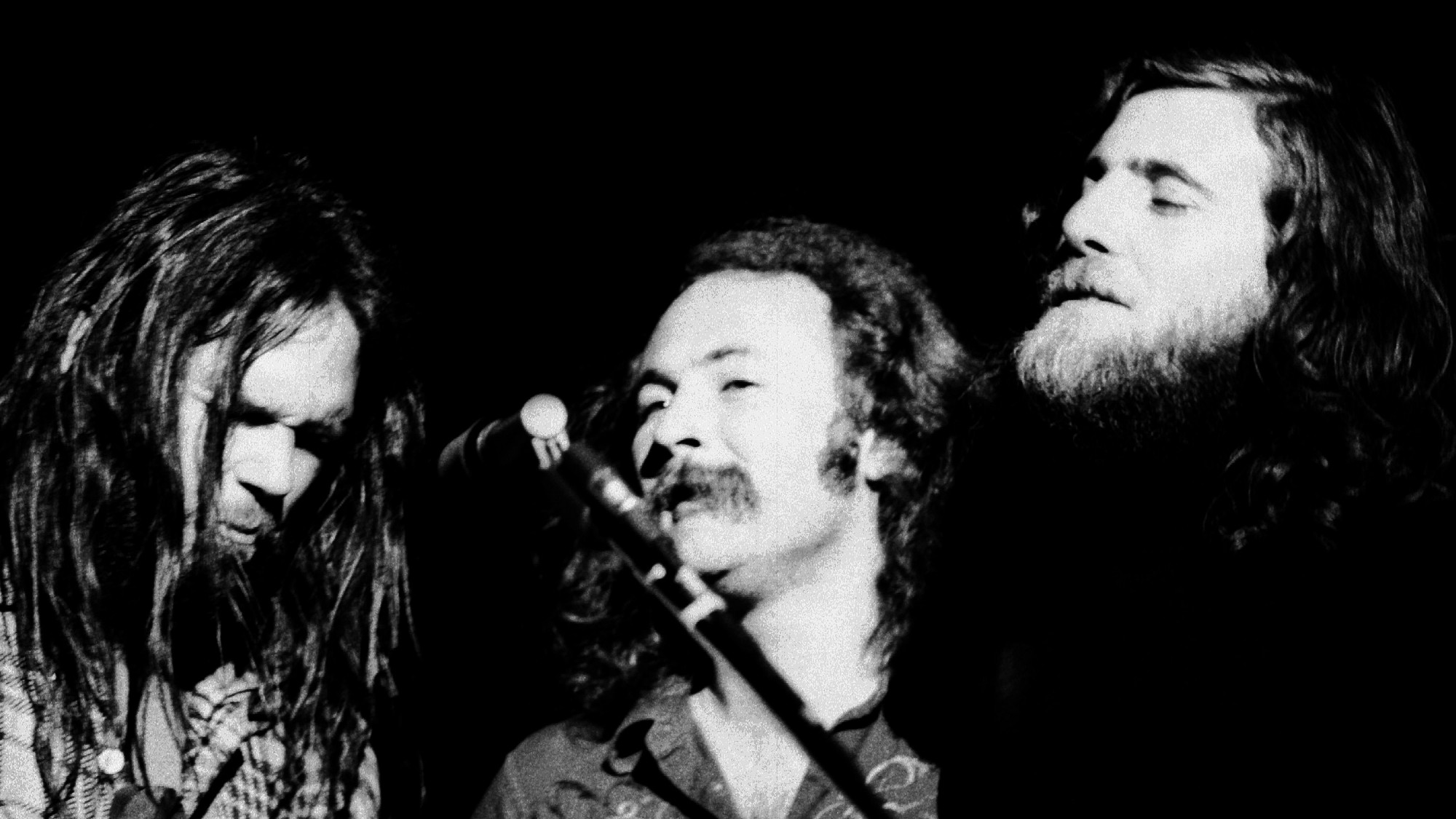
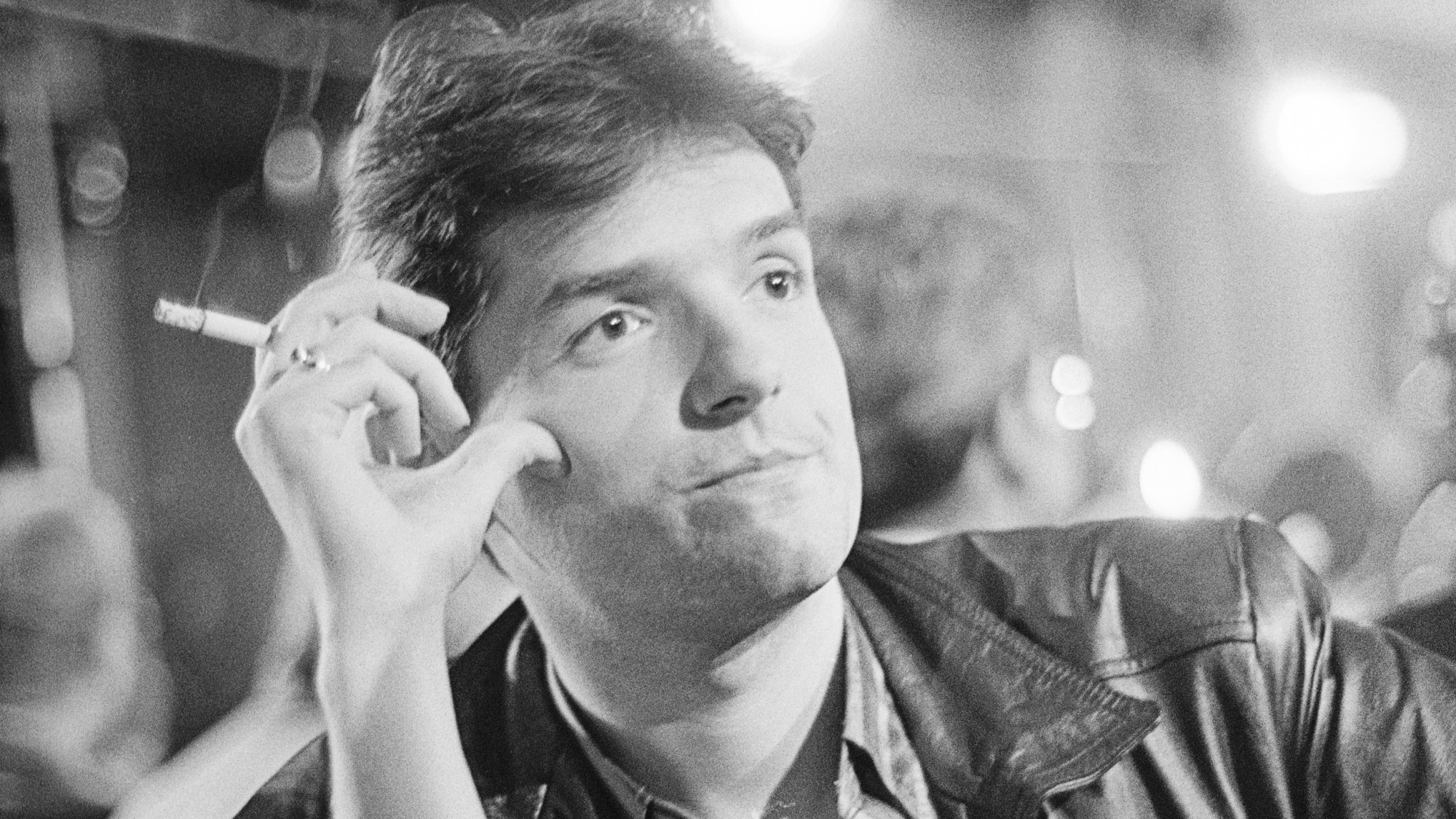
Photo by Larry Hulst/Michael Ochs Archives/Getty Images





Leave a Reply
Only members can comment. Become a member. Already a member? Log in.