Your cart is currently empty!



Mickey Newbury’s Songwriting Brilliance Shone Brightest on This Sorrowful Set of Lyrics
All you need to do is hear the title, and you can kind of tell that it’s a special song. “The Future’s Not What It Used To Be” purposely confuses the tenses to hint at a kind of deep-set malaise that goes beyond your average case of the blues.
Videos by American Songwriter
The song was written and first performed by Mickey Newbury, one of the leading lights of the new breed of Nashville songwriters that emerged in the 60s. It’s a highlight of Newbury’s mercurial, deeply affecting catalog.
Living in the “Future”
By the time that Mickey Newbury had the chance to record his first album in 1968, his songs had already been turned into hits by artists ranging from Andy Williams to Tom Jones to The First Edition (which featured Kenny Rogers as lead singer.) All those songs appeared on that debut album, which was titled Harlequin Memories.
It was a natural step in the progression for Newbury. He was writing poetry in his teens in the 50s. Even then, he imagined a career as a songwriter. After a stint in the US Air Force, the Texas-born Newbury moved to Nashville. He quickly began finding spots for his songs.
But his debut album didn’t come out sounding the way either Newbury or his label wanted it. He soon found his recording groove, however, churning out three straight standout albums that won him a ton of acclaim from the songwriting community. Top-notch performers like Kris Kristofferson and John Prine cited Newbury as a major influence.
On his 1971 album Frisco Mabel Joy, Newbury delivered a surprise pop hit with “An American Trilogy”, a medley arrangement of three traditional songs. (Elvis Presley later used Newbury’s arrangement as a concert showstopper.) On the same album, Newbury dropped the devastatingly sad “The Future’s Not What It Used To Be”, a stunning example of his songwriting gifts.
Exploring the Lyrics of “The Future’s Not What It Used To Be”
In the opening verse of the song, the narrator describes his lonely travels. None of his destinations ease his ache. “I found some easy women and some hard drinkin’ men,” he admits of his journey. “Swore I would drown all the sorrow in me.”
Time passes, but no reversal of fortune is forthcoming. “Made all the missions by mornin’, and then I made the dives every night,” he says of his extreme behavior. “Until I made a wreck of my body and soul.” But he ends the second verse by meeting a woman whose “love set me free.”
Still, she only temporarily stops his downward trajectory. He explains how he’s “shackled and chained to a ghost that remains/I was haunted by your memory.” That indicates that he couldn’t sustain this redemptive love, falling back into his old pattern. To make matters worse, it becomes clear that the woman has fallen on hard times as well.
In the final verse, he at least tries to commiserate with his ex. “I know your sorrow, I know your pain, I know your need,” he insists. But then the refrain comes around one more time to remind us of his ultimate anguish. “And I once loved you a lot,” he says. “But the future is just not what it used to be.”
We’d suggest that you dig deep into Mickey Newbury’s body of work. You’ll find more brilliance like this at every corner. “The Future’s Not What It Used To Be” is a great place to start, even if the narrator of the song seems to have reached the end of his tether.
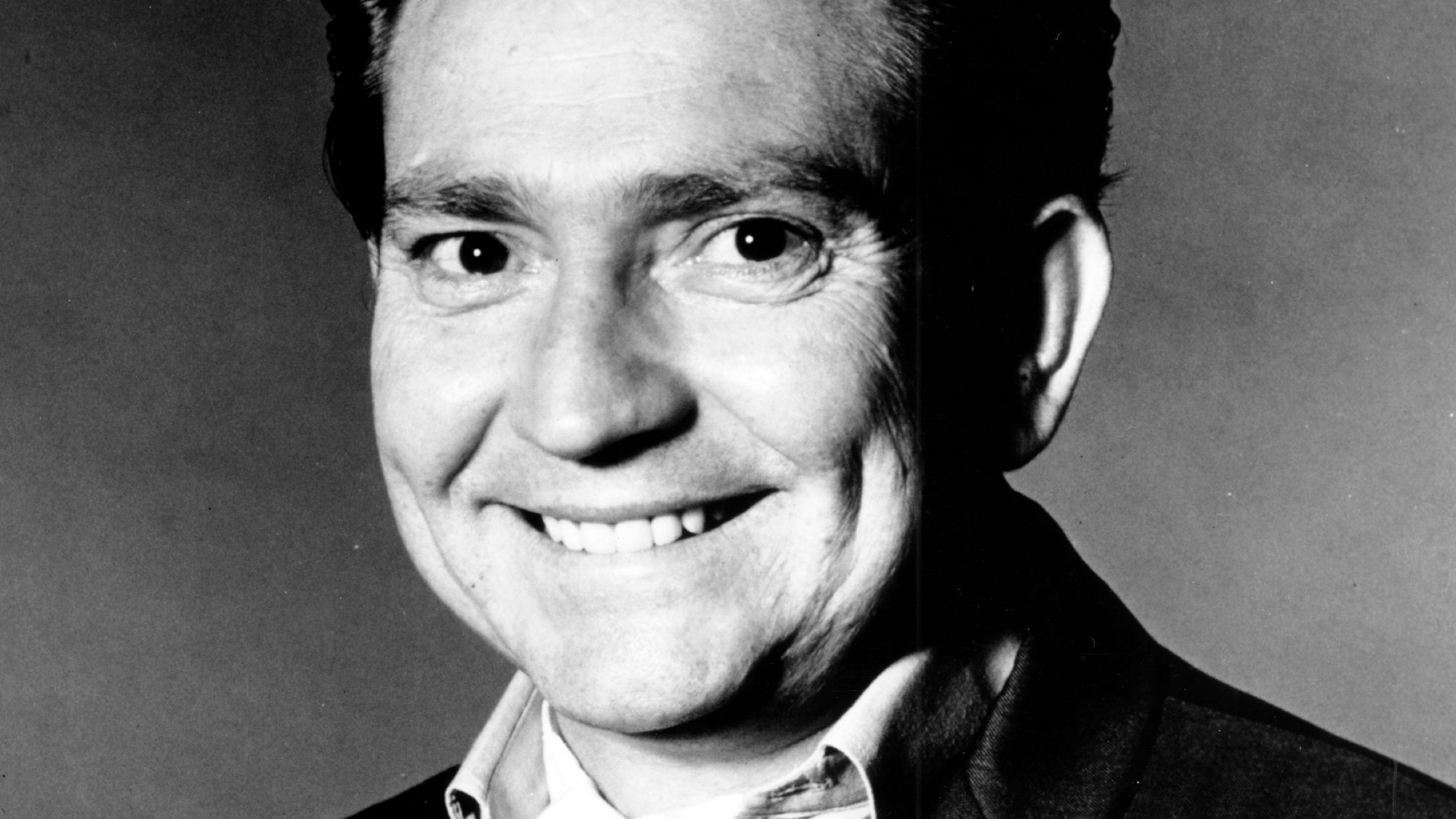
Photo by Michael Ochs Archives/Getty Images




Leave a Reply
Only members can comment. Become a member. Already a member? Log in.