Your cart is currently empty!


“Now I Understand”: How John Lennon’s “Imagine” Helped Inform Another Classic That Initially Flopped Upon Its 1971 Release
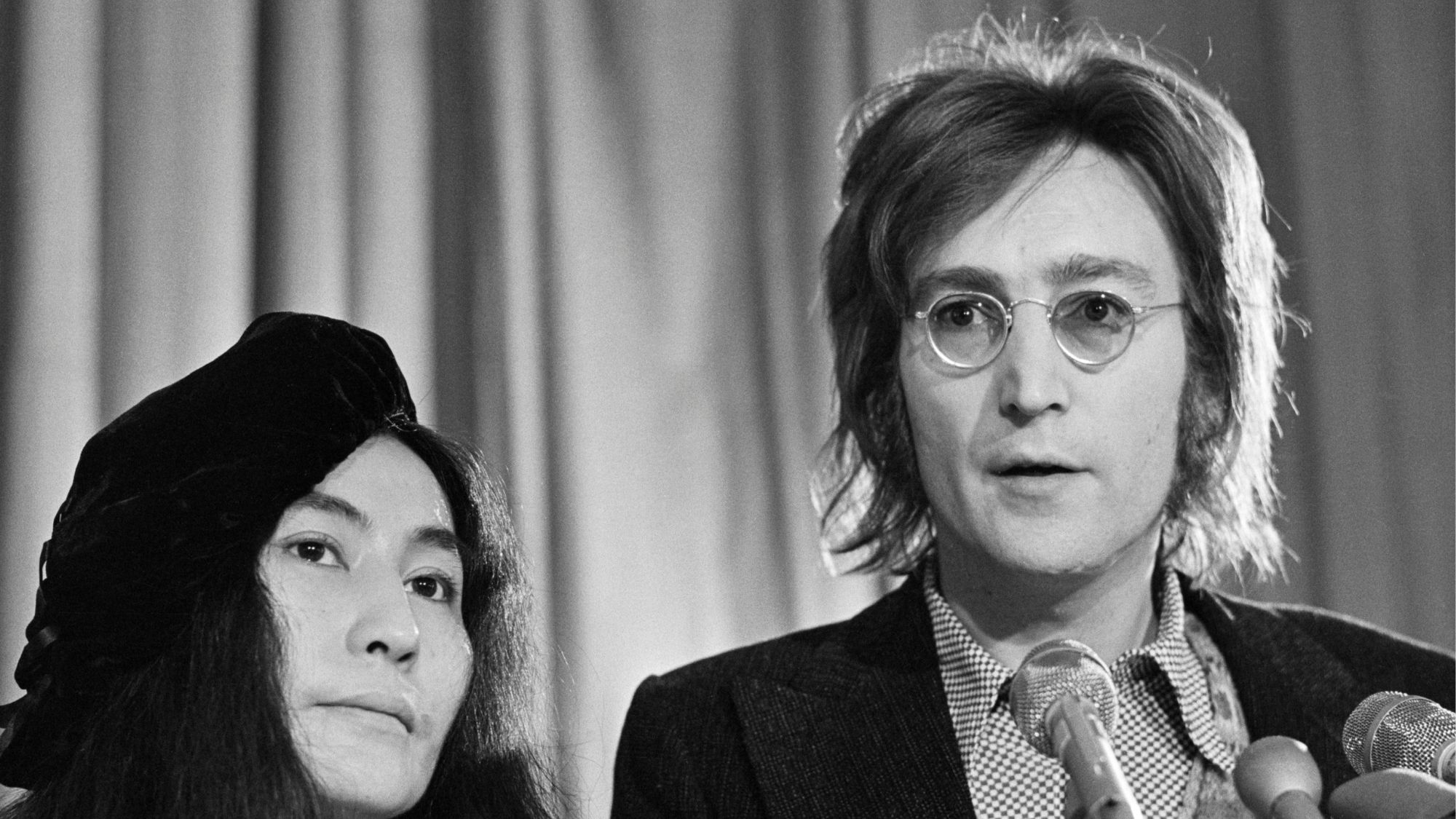
Without Paul McCartney to temper his more eccentric creative impulses, John Lennon spent much of his early days as a solo artist criticized for his experimental and, at times, controversial musical style—but his 1971 Top 10 hit, “Imagine”, is a notable exception to this trend. The song’s lyrics were no less radical than other sociopolitical statements Lennon and his second wife, Yoko Ono, had made in the past. The biggest difference is that the song sounded more palatable.
Videos by American Songwriter
“He played it to a few people after he wrote it,” Ono told Rolling Stone in 2001. “They all said, ‘Oh, that’s good.’ But you got the feeling that they really liked it because it sounded so sweet—that if they tuned into the lyrics more, they might not have thought it was so pretty.” And indeed, that’s certainly the lesson Lennon seemed to take from the public’s reception of “Imagine”. He would later say, “Now I understand what you have to do. Put your political message across with a little honey.”
Lennon would use this “spoonful of sugar” approach on another song he released later that year on December 1, 1971, although it didn’t take off on the charts quite like “Imagine”, thanks to poor promotion and a release date so close to Christmas.
John Lennon Used “Imagine” As Inspiration for “Happy Xmas (War Is Over)”
The ideas John Lennon laid out in his 1971 hit, “Imagine”, are still extreme even by today’s standards. “Imagine there’s no countries / It isn’t hard to do / Nothing to kill or die for / And no religion, too.” But because the song’s musical arrangement was pleasant to the ear, people were able to swallow this clear protest of consumerism, nationalism, and religious idolatry. Lennon took a similar tack on “Happy Xmas (War Is Over)”, which was a blatant anti-war anthem. “War is over if you want it” directly referred to a billboard Lennon and Yoko Ono erected in 12 major cities around the world, which included that line followed by, “Happy Christmas from John & Yoko.”
“It was still that same message,” Lennon told David Sheff of the song that followed their anti-war campaign in 1969. “The idea that we’re just as responsible as the man who pushes the button. As long as people imagine that somebody’s doing it to them, and that they have no control, then they have no control.”
Typically, an artist will release a Christmas song in late fall to ensure the track gets adequate airplay ahead of the holidays. Lennon and Ono’s Christmas song coming out on December 1 meant it didn’t have much time to climb the non-holiday charts. However, in the years that followed, “Happy Xmas (War Is Over)” has become a standard in Lennon’s catalogue and a staple in holiday playlists worldwide.
Indeed, all these years later, the political messages still go down a lot smoother when they come with a little honey.
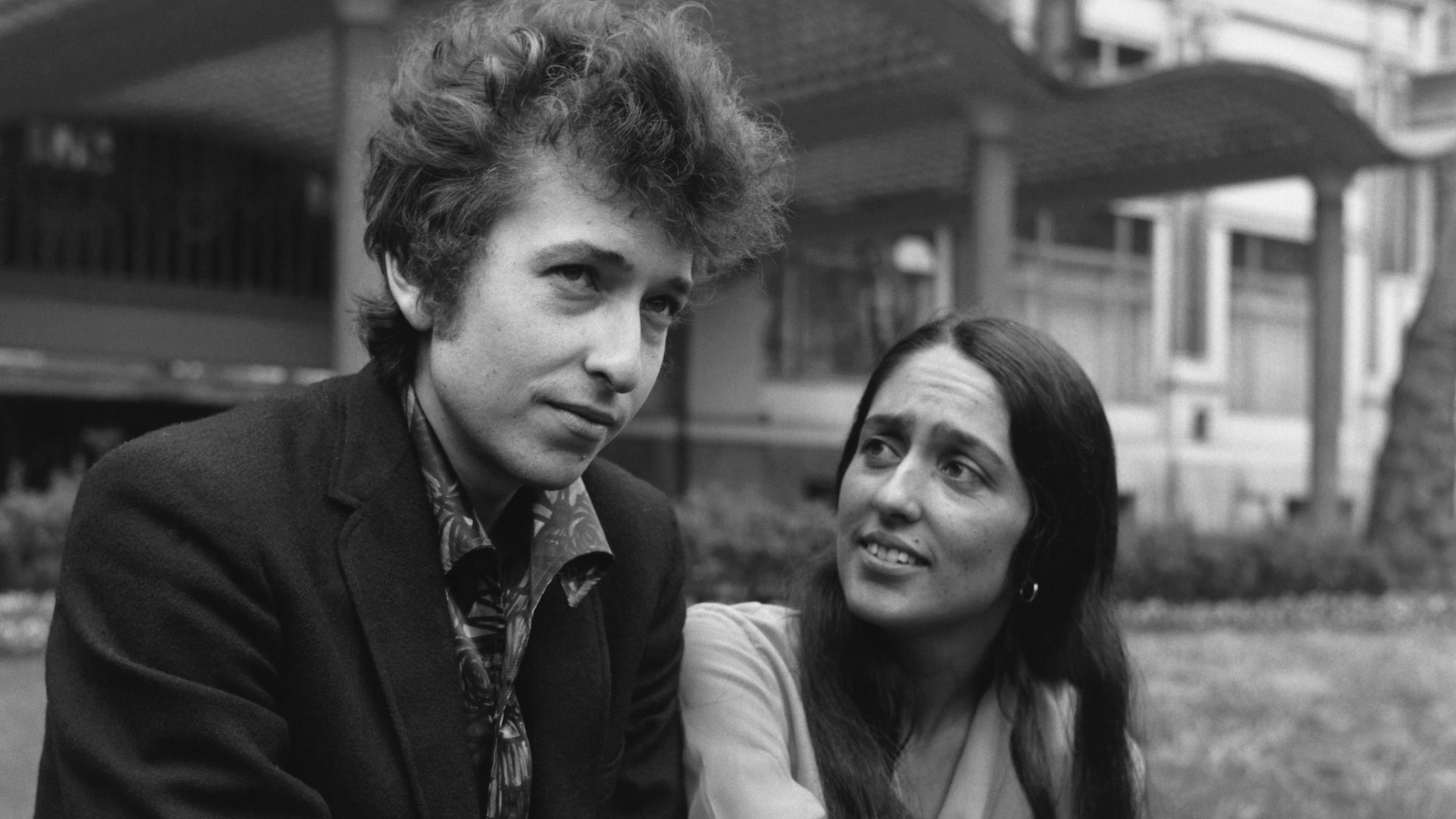
Photo by Dennis Stone/Mirrorpix/Getty Images


Leave a Reply
Only members can comment. Become a member. Already a member? Log in.