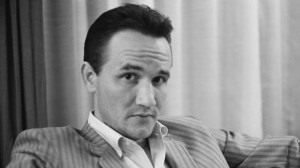
On this very day in 1972, soul superstar James Brown met up with then-President Richard Nixon at the White House. Brown would go on to endorse Nixon for re-election. His endorsement effectively alienated a pretty big portion of his audience, considering Black voters at the time were not interested in re-electing Richard Nixon.
In fact, tape recordings of the two figures meeting are uncomfortable at best. Nixon can be heard in the Oval Office explicitly stating, “don’t bring ‘em in here,” when referring to James Brown and Black constituents in general. When it was explained that Brown had a substantial influence over the African-American community, Nixon, albeit reluctantly, agreed to meet.
Videos by American Songwriter
James Brown met with Nixon on October 10, 2025, at the White House to discuss a number of things, including his desire to enact a national holiday celebrating Martin Luther King, Jr. Nixon vaguely states that he’s “aware of that” particular desire among the Black community.
Fans Weren’t Happy With James Brown’s Endorsement of President Richard Nixon, and His Career Took a Temporary Hit
Later, the politically conservative Brown would go on to endorse Nixon despite the awkward exchange at the White House. Brown believed that Nixon would potentially offer African American business owners better opportunities. His fans, however, were not happy. In fact, many accused Brown of selling out, and protests even occurred.
The anger toward Brown was palpable and even measurable. His record sales and concert sales in the US began to taper off, and the singer couldn’t deliver a No. 1 R&B single in 1973. Though, in 1974, he would make a comeback with the No. 1 song “The Payback” and the album of the same name. It’s clear that Brown’s talent outweighed what many considered to be a poor political choice with the best of intentions.
When Nixon first became President in 1968, James Brown famously performed at his inauguration. After Nixon won his second term in 1972, Brown ended up opting out of the performance, as the White House didn’t want to pay him. From there, Brown’s tune changed, and his frustration with the President made its way into his music. Specifically, he released the 1973 track “You Can Have Watergate Just Gimme Some Bucks And I’ll Be Straight”. That song wouldn’t be Brown’s only protest song, either. He would later release “Funky President (People It’s Bad)” in 1974, which allegedly refers to Nixon’s successor, President Gerald Ford.
Photo by Oliver F Adkins/PhotoQuest/Getty Images
-
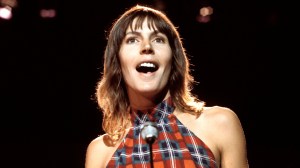
Australian-American singer, songwriter, author, actress, and activist Helen Reddy (1941 – 2020), 1975. (Photo by Tony Russell/Redferns) -
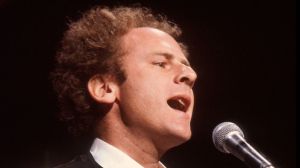
Art Garfunkel performs on TV show, USA, 1975. (Photo by Michael Putland/Getty Images) -

EUGENE, OR – (EDITORS NOTE: Multiple exposure made in camera) Phil Lesh of the Grateful Dead performs at Autzen Stadium on June 23, 1990 in Eugene, Oregon. (Photo by Tim Mosenfelder/Getty Images) -
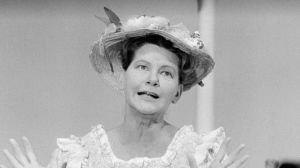
American country comedienne Minnie Pearl (1912 – 1996) performing, circa 1970. (Photo by Silver Screen Collection/Getty Images) -
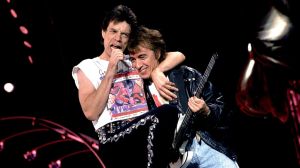
British musicians Mick Jagger (left) and Bill Wyman of the Rolling Stones performs on stage during the band's 'Steel Wheels' tour, late 1989. (Photo by Paul Natkin/Getty Images) -
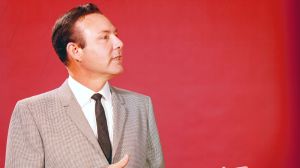
UNSPECIFIED – CIRCA 1970: Photo of Jim Reeves Photo by Michael Ochs Archives/Getty Images -
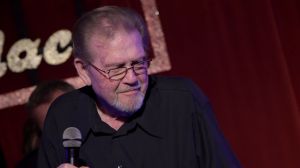
NASHVILLE, TN – Singer/Songwriter Whitey Shafer performs during the All-Star Whitey Shafer Benefit, Hosted By Moe Bandy at The Nashville Palace on March 18, 2015 in Nashville, Tennessee. (Photo by Rick Diamond/Getty Images for Webster PR)