On this day (May 19) in 1973, Paul Simon released “Kodachrome” as the lead single from his album There Goes Rhymin’ Simon. The song reached No. 2 on the Hot 100 and Adult Contemporary charts. It was also an international hit, landing comfortably within the top 10 in four other countries. However, it was banned from BBC radio in the United Kingdom.
According to Songfacts, there is a strict British law against commercial endorsements on BBC radio stations. Kodachrome was a type of color film that Kodak developed in the mid-1930s. It was also a registered trademark of the Kodak company. As a result, it was immediately banned from radio stations across the United Kingdom. So, Simon didn’t release it as a single in England. Instead, he released “Take Me to the Mardi Gras” and issued “Kodachrome” as the B-side.
Videos by American Songwriter
[RELATED: The Meaning Behind Paul Simon’s Picture-Perfect “Kodachrome”]
Simon recorded both songs and “Loves Me Like a Rock” at Muscle Shoals Sound Studios in Alabama. He tapped the Muscle Shoals Rhythm section, also called the Swampers, to play on the tracks. The session made him the first major rock artist to record there. Later in the decade, the Rolling Stones and Bob Seger would both book sessions at Muscle Shoals.
Paul Simon Wasn’t Sure What “Kodachrome” Meant
While working on material for his 1973 solo album, Paul Simon was writing a song called “Coming Home.” Then, the word “Kodachrome” came to him. At the time, he didn’t know what it meant. However, he knew that it would make for a more interesting title. As a result, he scrapped what he was working on and created something new. The result was a tribute to the life’s bright spots and the inaccuracy of our memories. More than that, Simon knew it was a hit from the start.
“It sounds like a pop song,” Simon said in an interview. “All the other ones sound odd. ‘50 Ways to Leave Your Lover.’ They didn’t sound like what hits sounded like at the time. Radio was more open to things that weren’t exactly what ever other hit was,” he added.
Featured Image by Michael Putland/Getty Images
-

LAS VEGAS, NEVADA – APRIL 05: Rhett Akins performs onstage at ACM: Stories, Songs & Stars: A Songwriter's Event Benefiting ACM Lifting Lives on April 05, 2019 in Las Vegas, Nevada. (Photo by Rich Fury/Getty Images for ACM) -
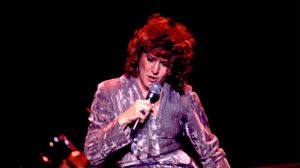
CHICAGO, ILLINOIS – American musician Lacy J. Dalton (born Jill Lynne Byrem) performs on stage at the Park West Theater, Chicago, Illinois, April 4, 1981. (Photo by Paul Natkin/Getty Images) -

Nederpopzien, Anita Kerr headline, April 9, 1974, music, The Netherlands, 20th century press agency photo, news to remember, documentary, historic photography 1945-1990, visual stories, human history of the Twentieth Century, capturing moments in time. (Photo by: Sepia Times/Universal Images Group via Getty Images) -
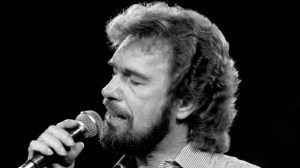
Gene Watson, who had several hits with Dallas Harms songs