Your cart is currently empty!


Years Before It Was Banned, a Cranky John Lennon Saved This Beatles Track From a Bad Case of Writer’s Block
Paul McCartney has always been a meticulous songwriter and arranger, something his Beatles bandmates learned time and time again on tracks like “Ob-La-Di, Ob-La-Da” from the “White Album” and “Maxwell’s Silver Hammer” from Abbey Road. Some songs were more tedious in content than time-consuming, like the McCartney tunes John Lennon dismissed as “granny” songs. Still, whether he was a fan or not, Lennon often helped McCartney put the finishing touches on even the most McCartney-esque, anti-Lennon tracks. “Ob-La-Di, Ob-La-Da” is certainly no exception.
Videos by American Songwriter
The three-minute Beatles track took a staggering 42 hours to complete, with several takes, re-takes, overdubs, and more, each addition changing the final result ever so slightly. In the middle of the recording process, the band scrapped their progress thus far and began a new version from scratch. This, too, began a cycle of takes, re-takes, overdubs, etc. Unsurprisingly, everyone besides McCartney started to get restless working on the same track for so long.
As McCartney recalled in a 2018 interview with Howard Stern, he, George Harrison, and Ringo Starr were “slaving” away at the track during a session where Lennon wasn’t there. When Lennon arrived, he brought an idea that pulled his bandmates out of their slump. By McCartney’s account, it was a burst of creative collaboration. By studio engineer Richard Lush’s account, it was a moment of impatient frustration.
How John Lennon Shaped the Beatles’ “Ob-La-Di, Ob-La-Da” to Its Final Form
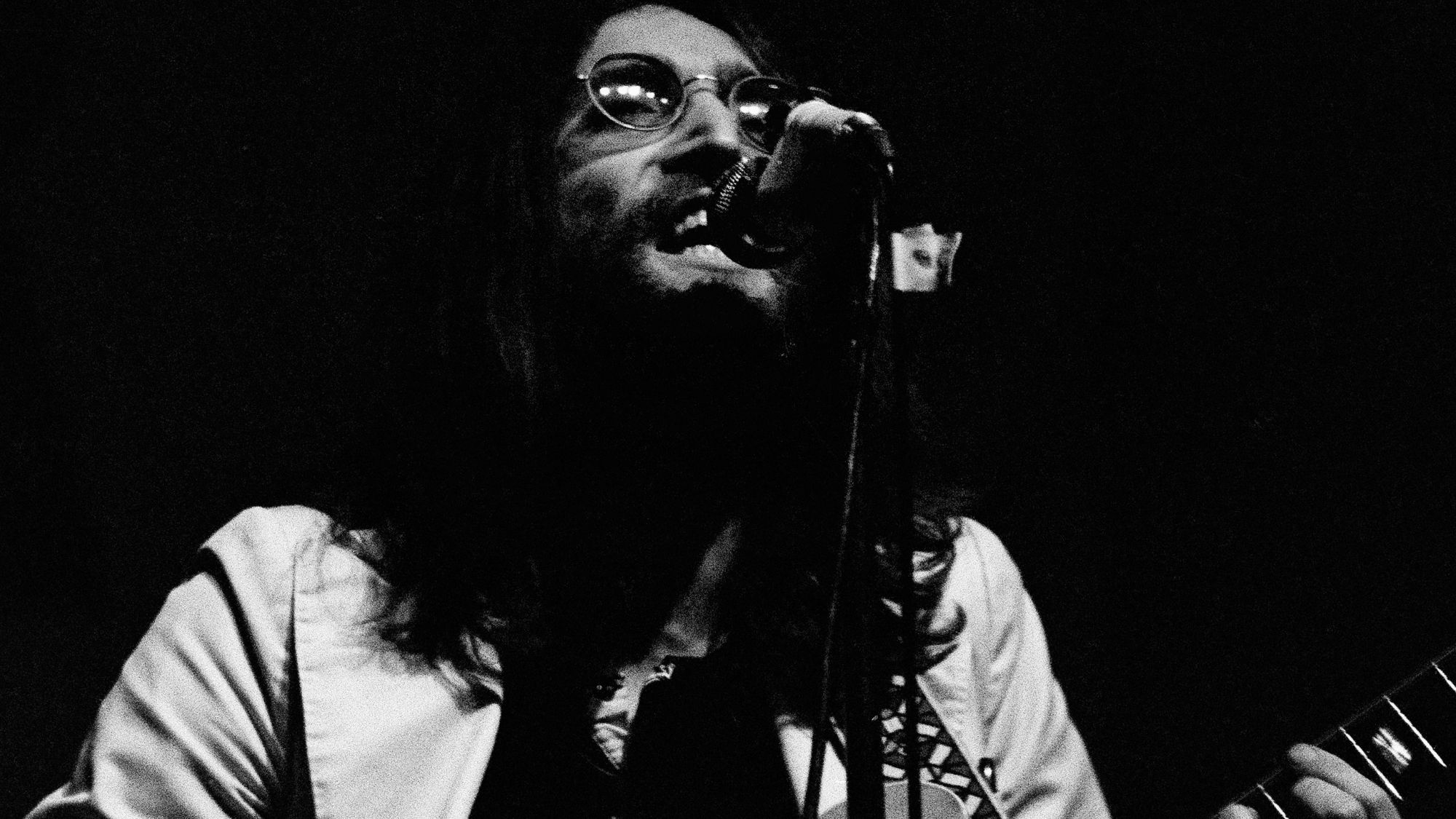
When Paul McCartney recounts the story of John Lennon saving “Ob-La-Di, Ob-La-Da” at the eleventh hour, he gives the impression that Lennon was eager (albeit late) to sit down and work on the track. But according to Richard Lush, who was working as an engineer at the time, Lennon was in a much different frame of mind. More specifically, “really stoned,” Lush said, per Mark Lewisohn’s The Complete Beatles Recording Sessions. “Totally out of it on something or other. He went straight to the piano and smashed the keys with an almighty amount of volume. Twice the speed of how they’d done it before, and said, ‘This is it! Come on! He was really aggravated.”
Frustrated he might have been, but it seemed to work in the band’s favor. “That was the version they ended up using,” Lush said. The Beatles released this quicker version of “Ob-La-Di, Ob-La-Da” on the band’s eponymous “White Album” in the fall of 1968. But it took some time for the track to become a single in the U.S. and U.K. In other countries, The Beatles put out the song with “While My Guitar Gently Weeps” as the B-side. But in the States, “Ob-La-Di, Ob-La-Da” wasn’t a single until November 1976 with “Julia” as the B-side.
Interestingly, “Ob-La-Di, Ob-La-Da” would become one of many tracks that American radio stations banned following the terror attacks of September 11, 2001. The song’s breezy lyrics—inspired by a Nigerian musician named Jimmy Scott, who used to say the song’s title to McCartney in passing—were deemed too flippant following the massive tragedy. Indeed, not even a “granny song” like that was immune from strict censorship of the early 2000s.
Photo by Andrew Maclear/Hulton Archive/Getty Images
Leave a Reply
Only members can comment. Become a member. Already a member? Log in.