When it comes to hitmakers and their biggest songs, it’s not always love at first sight. Here are a few hits from the 80s that not everybody believed in, before they took over the charts.
“Don’t You (Forget About Me)” by The Simple Minds
This song was actually written specifically for The Breakfast Club (1985), which is where you likely heard it first.
Videos by American Songwriter
Jim Kerr actually told Songfacts in 2022 that the band wasn’t too happy about having to use a song that was pre-written. They wanted to use one of their own.
“And of course, later on it was explained,” Kerr started, “But the song was written to the script and every time they tried to make it more amenable, it sounded worse, because they would say, ‘It sounds really like Simple Minds,’ and we would be infuriated. ‘How dare you rip us off and then try and sell us on an idea!’”
Internationally, Simple Minds have done pretty well. But, at least in the United States, this song seems to be the one that most people are familiar with.
“Come On Eileen” by Dexys Midnight Runners
This song, inspired by frontman Kevin Rowland’s Catholic guilt over sex, was a huge hit for Dexys Midnight Runners. Ironically, though, their record label didn’t see the hit’s potential at first.
“By the time the song was finished my confidence in it had really been knocked,” Rowland explained. “And when the record label said they didn’t want to release it, I didn’t put up much of a fight. It was actually a radio plugger who persuaded them that it would make a great single in the end.”
“Video Killed The Radio Star” by The Buggles
Before this 1979 song became a career-defining hit for The Buggles, it was actually turned down by several labels. Written by Trevor Horn, Geoff Downes, and Bruce Woolley, the song is a bit of a callout to the way the media was changing at the time.
Horn explained in I Want My MTV: “It came from this idea that technology was on the verge of changing everything. Video recorders had just come along, which changed people’s lives. We’d seen people starting to make videos as well, and we were excited by that. It felt like radio was the past and video was the future. There was a shift coming.”
Photo by: Paul Natkin/Getty Images
More The List
-
THE MIDNIGHT SPECIAL — Episode 7 — Pictured: Loretta Lynn — (Photo by: Gary Null/NBC via Getty Images) -
Photo by Hulton Archive/Getty Images -
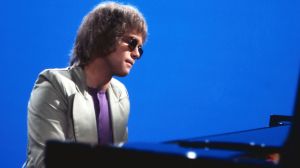
4-3-2-1 Hot and Sweet, Musiksendung, Deutschland 1970, Gaststar: Elton John. (Photo by Arthur Grimm/United Archives via Getty Images) -
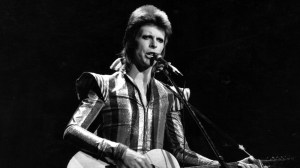
David Bowie as Ziggy Stardust -
Photo by kpa/United Archives via Getty Images -
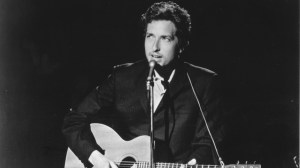
NASHVILLE, TN – JUNE 07: Bob Dylan appearing on 'The Johnny Cash Show' for ABC/TV taped at Ryman Auditorium on June 7, 1969 in Tennessee, Nashville. (Photo by Michael Ochs Archives/Getty Images) -
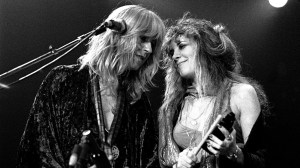
Stevie Nicks and Christine McVie of Fleetwood Mac