Your cart is currently empty!


5 Odd Details About the Making of George Harrison’s ‘All Things Must Pass’ (And Yes, It Was Mostly Phil Spector’s Doing)
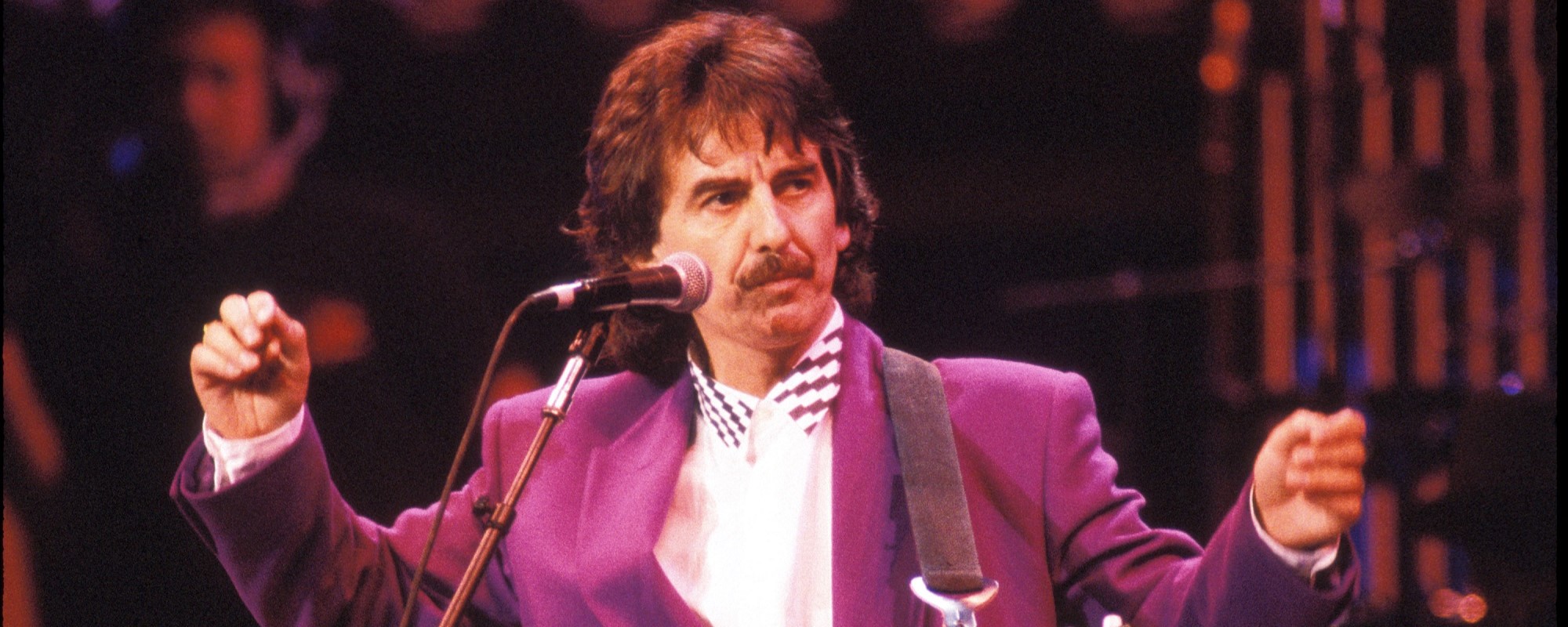
On November 27, 1970, George Harrison burst out from the shadow of his former band, The Beatles, and proved himself as a solo artist with his triple album, All Things Must Pass. The album topped the charts worldwide, thanks to hits like “My Sweet Lord” and “What Is Life”.
Videos by American Songwriter
Harrison’s success couldn’t have come at a better time, as The Beatles had officially called it quits that same year. All Things Must Pass was a chance for Harrison to prove that he was a worthy songwriter and frontman after years of coming in third to John Lennon and Paul McCartney.
Mojo magazine talked with several of the musicians involved in the making of All Things Must Pass in February 2026. And we couldn’t help but notice some odd eccentricities and practices hiding amongst all the shop talk.
Everyone Was Starstruck During the Making of ‘All Things Must Pass’
Maybe this one is too obvious to be odd. But record producer John Leckie recalled that Harrison, the other Beatles present at the All Things Must Pass session, and Phil Spector were all starstruck by one another.
“Spector was in awe of The Beatles, and, of course, they were in awe of him. So, it was strange,” Leckie recalled. “It doesn’t matter how famous or successful you are. When you’re in the presence of a Beatle, especially if you’ve grown up in that era, you never get over it.”
It Was Darker, Colder, and Louder Than You’d Expect
According to drummer Alan White, Phil Spector preferred to keep the studio in low lighting, the speakers as loud as they could go (quite literally a wall of sound), and the air conditioning running at full blast. “He thought people played better when it was cold,” White said.
Ringo Starr Was There, but He Didn’t Play Drums
Alan White also recalled Ringo Starr being present at the All Things Must Pass sessions. However, George Harrison didn’t elect him to play drums. Instead, he asked White to get behind the kit and said Starr would stick to tambourine. White recalled feeling uncomfortable. And who wouldn’t be when they just got hired over a Beatle in front of a Beatle?
But of course, to Harrison, Starr wasn’t a Beatle. He was Ringo, a friend and colleague who was just happy to be there.
Phil Spector Implemented Unusual Recording Techniques
One of the most surprising tidbits we took away from the All Things Must Pass feature was that Phil Spector implemented some rather unusual recording techniques in the studio’s live room. As more of Harrison’s friends showed up, the band grew in size, resulting in guitarists recording side by side with no baffles.
Even acoustic guitars were tracked in the same room as the drums and electric guitar amps, which is typically avoided to prevent bleedover in the acoustic’s more sensitive signal chain.
The Mixing Process Took An Unexpected Turn
By several accounts, Phil Spector’s drinking got worse throughout George Harrison’s sessions. The former Beatle’s workflow was more tedious than Spector liked, and he would often drink cherry brandies to pass the time. After getting particularly drunk one day, Spector fell off his chair and hurt his arm. He flew back to America after, leaving Harrison to mix without him.
Spector delivered his initial mixing notes via letters from the States. Eventually, he returned to London and finished out the rest of the triple album with Harrison, contributing his signature, reverby “wall of sound” style. Harrison would later say he regretted the overall sound of the album, but his two Grammy Award nominations and multiple No. 1 placements worldwide would suggest that no one else seemed to mind.
Photo by Bettmann/Getty Images
Leave a Reply
Only members can comment. Become a member. Already a member? Log in.