Your cart is currently empty!


How The Human League Returned to Their Strengths for One Last US Hit
When you’re struggling or in a slump of some kind, it’s sometimes best to focus on what you’ve always done best. The British synth-pop legends The Human League certainly took that to heart after a period where they couldn’t quite find their artistic footing.
Videos by American Songwriter
The band went back to their strengths after a stretch where some wondered if they might have completely run out of steam. It led to a big hit in their native Great Britain and their last-ever Top 40 song in America.
Being Human
Unless you lived through it, it’s hard to explain just how impactful “Don’t You Want Me” was when it debuted on American radio. Released in late 1981, it ascended to the top spot on the US pop charts by the summer of the next year. It not only introduced stateside audiences to The Human League, it pretty much kicked off a brand-new sound here.
The so-called New Romantics of Great Britain were on the verge of storming the shores of the US with their striking appearances and alien synth sounds, putting all the arena rockers on notice. With “Don’t You Want Me”, The Human League gave advance warning.
Their other big hits in the 80s in America showed just how versatile they could be. “(Keep Feeling) Fascination” replaced the foreboding nature of “Don’t You Want Me” with breezy pop vibes. They scored their second US chart-topper with “Human”, a winning piece of silky soul balladry.
Listing League
The Human League found itself struggling to recapture its magic at the beginning of the 90s. Maybe the punctuation in the album title, Romantic?, revealed the band’s lack of confidence in the 1990 record.
The band had started to feel a bit unloved based on the struggles of the follow-up singles to “Human” from the 1986 album Crash. They even referenced their fading popularity in the Romantic? song, “The Stars Are Going Out”.
In the early 90s, there was doubt whether The Human League would even continue after Romantic? failed to gain traction. They had already undergone a slew of lineup changes by that time. Even lead singer Phil Oakey, whose arch baritone helped define the band, considered shuttering the brand. Luckily, he didn’t. As it turned out, the League still had plenty of life.
Dare to “Tell”
Trimmed down to just three members (Oakey, Joanne Catherall, and Susan Ann Sulley), The Human League returned with Octopus in 1995. They were working for a new label and with a new producer (Ian Stanley, formerly of Tears For Fears). But they rediscovered their old formula.
Oakey and company went back to extensive use of analog synths after they’d tried to go digital on Romantic? Oakey wrote the lead single and opening track to Octopus, an old-school banger with a potent chorus called “Tell Me When”.
After being given up for dead in their home country, The Human League triumphed on “Tell Me When”, going all the way to the Top 10. The song also eked out just enough radio exposure in America, giving the band their last ever Top 40 hit there at No. 31 in 1995.
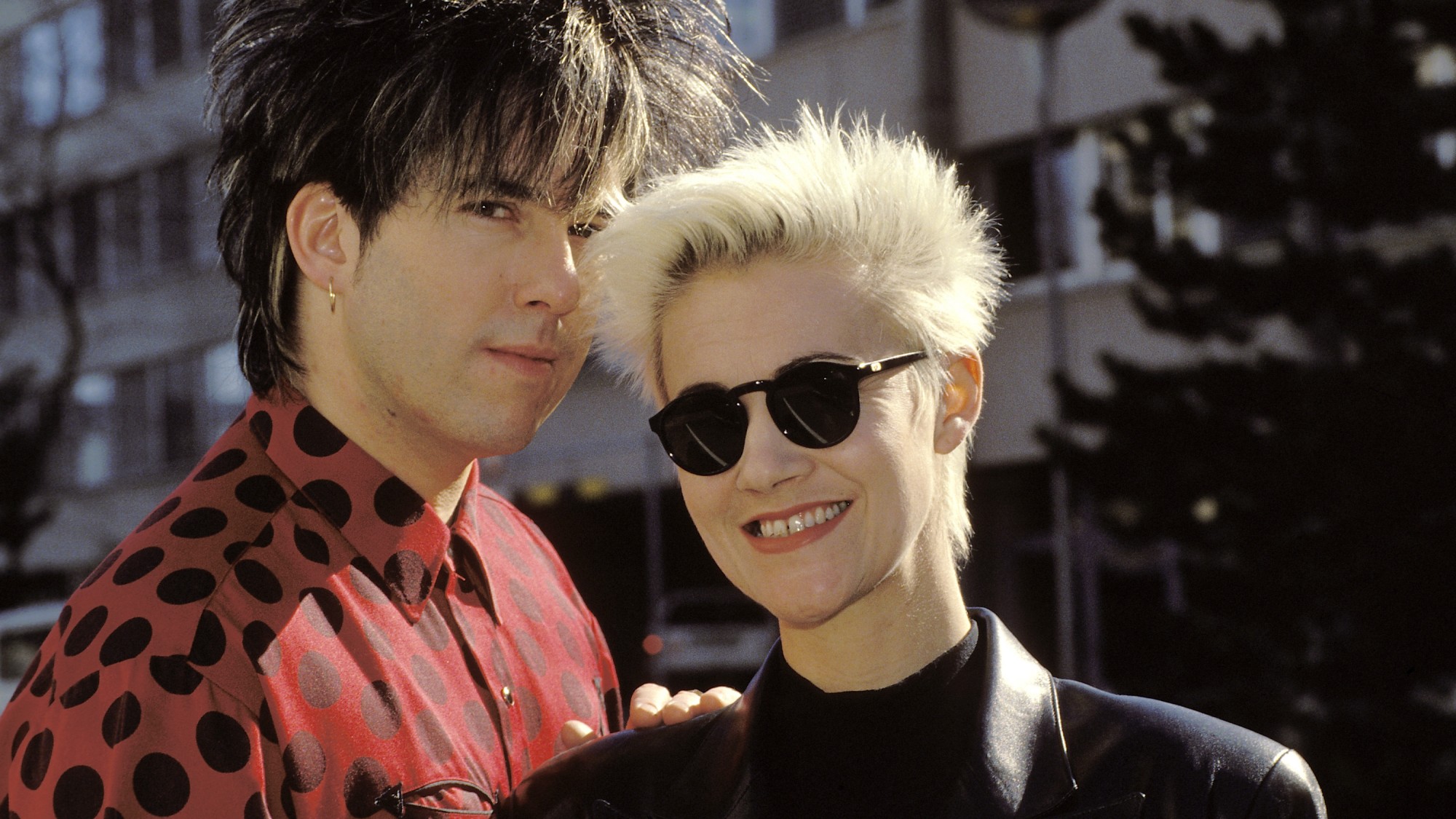
Photo by Tabatha Fireman/Getty Images

Leave a Reply
Only members can comment. Become a member. Already a member? Log in.