Your cart is currently empty!



This Beatles Song From 1969 Was a “Genuine Plea” From John Lennon, and Even Paul McCartney Noticed
In the early Beatles days, John Lennon—like so many young twenty-somethings trying to find themselves—often used humor and wit to deflect attention from his true feelings. As a ruffian cutting his teeth in Liverpool, Lennon certainly learned how to don a necessary layer of armor over his soft interior. It wasn’t until the mid-1960s, with songs like “Help!” and “Strawberry Fields Forever”, that Lennon started leaning into his truth.
Videos by American Songwriter
But there were few Beatles tracks quite as heartbreakingly sincere as the late-era single, “Don’t Let Me Down”. Although credited to the Lennon-McCartney songwriting partnership, both Lennon and Paul McCartney would later clarify that it was earnestly Lennon’s.
“It was a very tense period,” McCartney later explained to Barry Miles. “John was with Yoko [Ono] and had escalated to heroin and all the accompanying paranoias, and he was putting himself out on a limb. I think that, as much as it excited and amused him, at the same time, it secretly terrified him. ‘Don’t Let Me Down’ was a genuine plea.”
“Don’t Let Me Down” Gains Even More Power Within the Greater Context
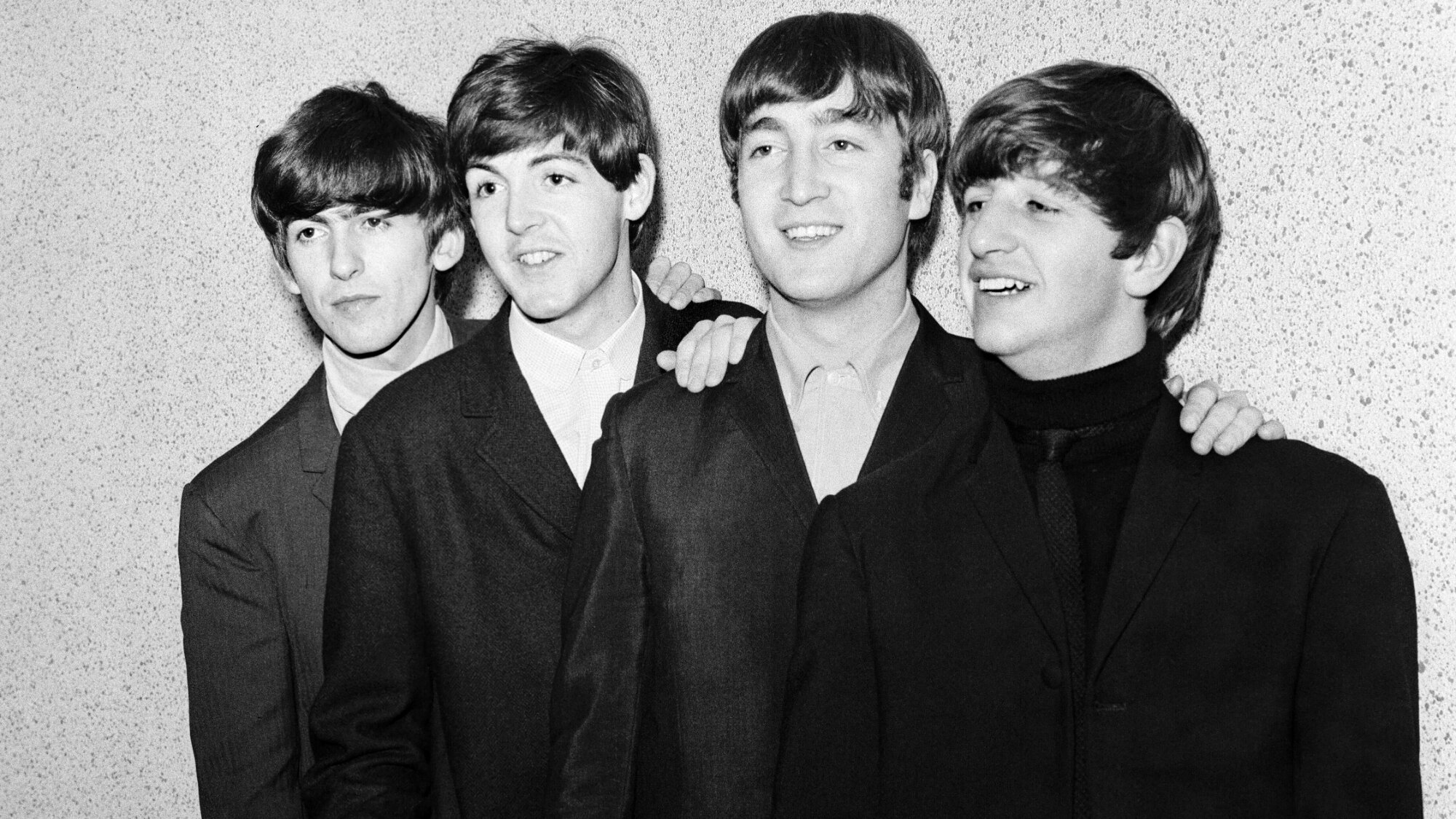
To say 1969 was a tense period for The Beatles is an expectedly British understatement from Paul McCartney. The band was experiencing its first highly public, highly contentious breakup, complete with lengthy, arduous legal proceedings that distracted them from the one thing they wanted to do in the first place: make music. Professional obligations aside, these four men were also experiencing fundamental shifts in relationships they had had since they were in their late teens and early twenties.
For the John Lennon who wrote “Don’t Let Me Down”, it’s easy to see how he could feel as if he were stepping out onto a wobbly tree limb. He had already established a future with his second wife, who was also his creative collaborator. But he technically only knew fame and all of its corresponding lifestyles and traditions as anything but a Beatle. Suddenly, he found himself nearing a place of true independence.
Speaking to Barry Miles, McCartney said he interpreted the song as John saying to Yoko, “I’m really stepping out of line on this one. I’m really letting my vulnerability be seen. So, you must not let me down. I think it was a genuine cry for help. It was a good song.”
The Beatles released “Don’t Let Me Down” as the B-side to “Get Back”. But producer Phil Spector kept it off the band’s final album, Let It Be. However, thanks to its inclusion in The Beatles’ legendary rooftop concert, the track is held in high regard amongst the Fab Four’s other album cuts. “Don’t Let Me Down” would later appear in post-breakup collections, like 1967-1970 and Hey Jude.
Photo by Daily Mirror/Mirrorpix/Mirrorpix via Getty Images
Leave a Reply
Only members can comment. Become a member. Already a member? Log in.