Some bands keep their focus on what’s popular and skew their music to what the market expects. And that can certainly be a lucrative way to go. The Kinks, however, often went 180 degrees away from any trends or expectations.
For example, the band entered 1971, coming off their biggest hit single and album in years. They went out and made a record based on the personal histories and concerns of Ray and Dave Davies with an old-fashioned sound far removed from the typical rock of the time.
Videos by American Songwriter
Kinks in Exile at Home
The Kinks spent the second half of the 60s focusing on thematically unified albums aimed largely at their British audiences. They were banned from touring in the United States due to a dispute with the Musicians’ Union in America. Why wouldn’t they pitch their music to an area where they could actively promote it?
In 1969, the band finally came to an agreement to end their US ban. Perhaps not coincidentally, their 1970 album Lola Versus Powerman And The Moneyground, Part One regained much of their lost footing in the States. While still containing some thematic trappings, the record broke out thanks to a heavier sound and the success of the massive single “Lola”.
In 1971, The Kinks signed a new record deal with RCA Records, who then gave them a big budget for their next record. They could have followed in the harder-rocking footsteps of their previous record, which would have been a wiser commercial move. Instead, the band looked back, both lyrically and musically, on Muswell Hillbillies.
‘Hillbilly’ Rock
The title of the album referenced Muswell Hill. That’s the London area where the Davies brothers spent a good chunk of their childhood after being relocated there. Relocation, in turn, also led to one of the major themes of the album.
Many of the characters on the record express feelings of disconnection, displacement, and, unsurprisingly, dismay. In addition to drawing on his own experiences, chief songwriter Ray Davies also looked around at England at the time and noted how people were often ripped from their homes and traditions in the name of urban progress.
Meanwhile, The Kinks went with a sound that drew from antiquated musical traditions from both the UK and US. American country music touches are found everywhere on the record. “Alcohol” and “Have A Cuppa Tea” took on vaudeville and music hall vibes. “Holloway Jail” came on like a dirge sung by an American chain gang. Dave Davies mostly traded in his electric power chords for delicately picked electric, slide, and banjo.
All’s Well That ‘Muswell’
None of these genre detours were in any way ordinary for the top rock bands of the era. Muswell Hillbillies also required a complete listen to the album to properly appreciate its nuances. Radio hits weren’t forthcoming, which meant that album sales also diminished compared to its predecessor.
But this album was always aimed at legacy-building rather than sales-inducing. Few rock LPs in history maintain such cohesion in their message while bouncing around expertly from style to style.
“But they’ll never make me something that I’m not,” Ray Davies sings defiantly on the closing track “Muswell Hillbilly”. The album Muswell Hillbillies sends a similar message, as The Kinks refused to be anything but who they were on this profoundly personal and yet deeply resonant LP.
(Photo by Ian Dickson/Redferns)
More Behind The Song
-
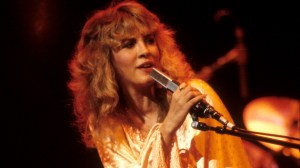
OAKLAND, CA-DECEMBER 3: Stevie Nicks performing at the Oakland Coliseum in Oakland, CA on her first solo tour on December 3. 1981. (Photo by Clayton Call/Redferns) -
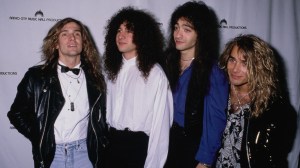
Danish-American glam metal band White Lion (American bass player James LoMenzo, American drummer Greg D'Angelo, American guitarist Vito Bratta, and Danish singer-songwriter and guitarist Mike Tramp) attend the 16th Annual American Music Awards After Party, held at Chasen's Restaurant in Beverly Hills, California, 30th January 1989. (Photo by Vinnie Zuffante/Getty Images) -
Photo by Jeff Kravitz/FilmMagic -

Photo by Taylor Hill/WireImage -
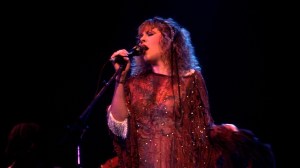
Photo by Paul Natkin/Getty Images) -
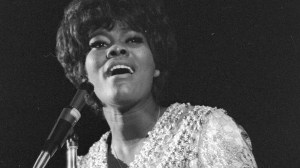
ANN ARBOR – CIRCA 1968: Photo of Dionne Warwick performing in Ann Arbor, Michigan. Circa 1968 (Photo by Tom Copi/Michael Ochs Archives/Getty Images) -
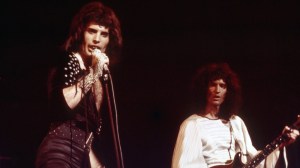
Photo by Images Press/IMAGES/Getty Images