
In January, Van Morrison announced a legal challenge over Northern Irelands “blanket ban” of live performances—part of the country’s COVID-19 response. On August 3, following Northern Ireland’s decision to allow the return of live music, the 75-year-old artist dropped his plans for legal action.
According to the BBC, the singer welcomed Stormont’s reversal but was still frustrated over the forced cancellation of his concerts to be held in the Ulster Hall slated to begin just days ago on July 29. The ban on live music was lifted in Northern Ireland on July 5. However, there were limits placed on sound levels for indoor venues. Morrison said he was made aware of the decision to reopen venues without sound limits on July 27, but the Ulster Hall concerts had already been canceled.
Videos by American Songwriter
“For some reason, completely unknown to me, it [the ban] remained in force in Northern Ireland with catastrophic consequences for many artists, venues, and the economy as a whole,” Morrison stated in a report from the BBC. “As we look to the future, we need to understand the plan and strategy to support the arts and live music sector going forward as ultimately this helps support society as a whole. It’s concerning that such considerations appear to have been forgotten.”
When the musician first began legal proceedings, a spokesman for the Department of Health said: “It is an accepted scientific fact that COVID-19 can spread when people are brought together in enclosed indoor locations.
“Stopping the spread of the virus is a priority for governments across the world—to save lives and stop health services being overwhelmed.”
The enduring icon has been a vocal critic of pandemic restrictions dating back to last spring’s initial UK lockdown. At the end of 2020, he released three lockdown protest songs — “Born To Be Free,” “As I Walked Out,” and “No More Lockdown.”
After the release of Morrison’s anti-lockdown songs, Northern Ireland’s Health Minister Robin Swann criticized Morrison’s seemingly reckless response in an Op-Ed published in Rolling Stone.
“We in Northern Ireland are very proud of the fact that one of the greatest music legends of the past 50 years comes from our part of the world. So there’s a real feeling of disappointment—we expected better from him,” Swann stated. “However, it goes further than disappointment. Some of what is he saying is actually dangerous. It could encourage people to not take Coronavirus seriously. If you see it all as a big conspiracy, then you are less likely to follow the vital public health advice that keeps you and others safe.”
More Latest Music News & Stories
-
SOLANA BEACH, CA – JULY 02: Drummer Carl Palmer of Carl Palmer's ELP Legacy performs on stage at Belly Up Tavern on July 2, 2018 in Solana Beach, California. (Photo by Daniel Knighton/Getty Images) -
FRISCO, TEXAS – MAY 9: Singer Randall King performs on stage during The ACM Country Kickoff at Tostitos Championship Plaza at The Star on May 9, 2023 in Frisco, Texas. (Photo by Omar Vega/Getty Images) -
LONDON, ENGLAND – JUNE 17: Zach Bryan performs onstage during a concert at the Tottenham Hotspur Stadium as pert of his With Heaven On Tour on June 17, 2026 in London, England. (Photo by James Klug/Getty Images) -
LAS VEGAS, NEVADA – MAY 15: Riley Green performs onstage during ACM Lifting Lives Country on the Green: Riley Green & Friends at Topgolf Las Vegas on May 15, 2026 in Las Vegas, Nevada. (Photo by Ethan Miller/Getty Images) -
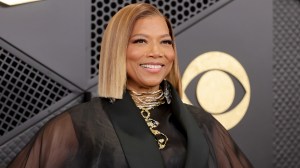
LOS ANGELES, CALIFORNIA – FEBRUARY 01: (FOR EDITORIAL USE ONLY) Queen Latifah attends the 68th GRAMMY Awards at Crypto.com Arena on February 01, 2026 in Los Angeles, California. (Photo by Brianna Bryson/WireImage)