
Known for his vibrant expression and representation of the culture through his art, Peter Max became one of the most recognizable artists of his generation. But before gaining fame and exploring his talent with a brush, the artist fought to survive as a child running from Nazi Germany. Thankfully, Max made his way to the United States as a teenager and launched his career. After spending decades in the spotlight, sadly, the artist passed away at 88.
While Max spent a great deal of his childhood moving from place to place, he spent time in Paris, Tibet, and Shanghai. It was during this time that he started to gain influence from his surroundings. By the time he moved to New York City, he was ready to paint the Big Apple.
Videos by American Songwriter
Remembering his talent, Max’s son paid tribute to his father after confirming his death. He considered his father to have “extraordinary creativity. His warmth, his curiosity, and the way he saw beauty and possibility everywhere.” It was that beauty that led him to open a graphic design studio during the early 1960s. Lending his talents to numerous agencies, he eventually left to return to art.
[RELATED: Beloved Country Music Performer Tommy Detamore Passes Away at 70]
The Icons That Peter Max Turned Down
Throughout the decades that followed, Max received the opportunity to leave his mark on the legacy of several stars like Jimi Hendrix, Taylor Swift, Steven Tyler, Mick Jagger, and the Grateful Dead. Fans could even see his artwork on album covers from Aretha Franklin, Badfinger, and Yes.
Once revealing where he drew inspiration from, Max admitted, “To me, the universe is itself the ultimate expression of creativity. That we, as human beings, have been endowed with the ability to channel that creativity fills me with a sense of awe and wonder.”
Although Max collaborated with some of the biggest names in music, he was one of the only people to turn down the Beatles—specifically pertaining to the fab four’s Yellow Submarine project. The idea seemed ludicrous given the popularity of the band at the time, but according to Max, “I remember getting a call from John, saying they wanted me to do it. … And then I flew to Europe and found out that they wanted me to stay in Europe for seventeen months and make the whole film.” Not wanting to spend over a year in Europe, Max declined the offer, recommending Heinz Edelmann for the job.
Turning down the Beatles could have easily become the biggest missed opportunity of Max’s career. Instead, it became another small chapter in a life that already had more than enough color.
(Photo by Ron Galella, Ltd./Ron Galella Collection via Getty Images)
More Latest Music News & Stories
-

AUSTIN, TEXAS – SEPTEMBER 10: Tanya Tucker performs onstage during Imagine Muny 5, the fifth annual benefit gala supporting The Muny Conservancy at ACL Live at the Moody Theater on September 10, 2026 in Austin, Texas. (Photo by Rick Kern/Getty Images) -
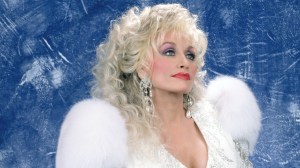
American singer-songwriter, actress, and businesswoman Dolly Parton (1946 – 2026), poses for a studio portrait in Lake Tahoe, California, December 31, 1989. (Photo by Ron Davis/Getty Images) -
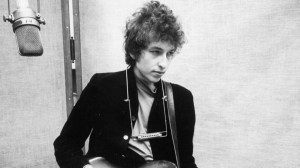
NEW YORK – JANUARY 13-15: Bob Dylan plays a Fender Jazz bass with the harmonica around his neck while recording his album 'Bringing It All Back Home' on January 13-15, 1965 in Columbia's Studio A in New York City, New York. (Photo by Michael Ochs Archives/Getty Images) -

CHICAGO, ILLINOIS – AUGUST 02: Stella Lefty performs onstage during Lollapalooza at Grant Park on August 02, 2026 in Chicago, Illinois. (Photo by Joshua Applegate/WireImage) -
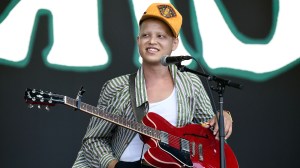
NAPA, CALIFORNIA – MAY 24: Nat Myers performs during the 2026 BottleRock festival at Napa Valley Expo on May 24, 2026 in Napa, California. (Photo by Tim Mosenfelder/Getty Images) -

CULVER CITY, CA – OCTOBER 28: A general view of the set is shown at a press junket for NBC's "The Voice" at Sony Studios on October 28, 2011 in Culver City, California. (Photo by Kevin Winter/Getty Images) -

Photo by Eric McCandless/Disney via Getty Images -
Photo by Jason Kempin/Getty Images